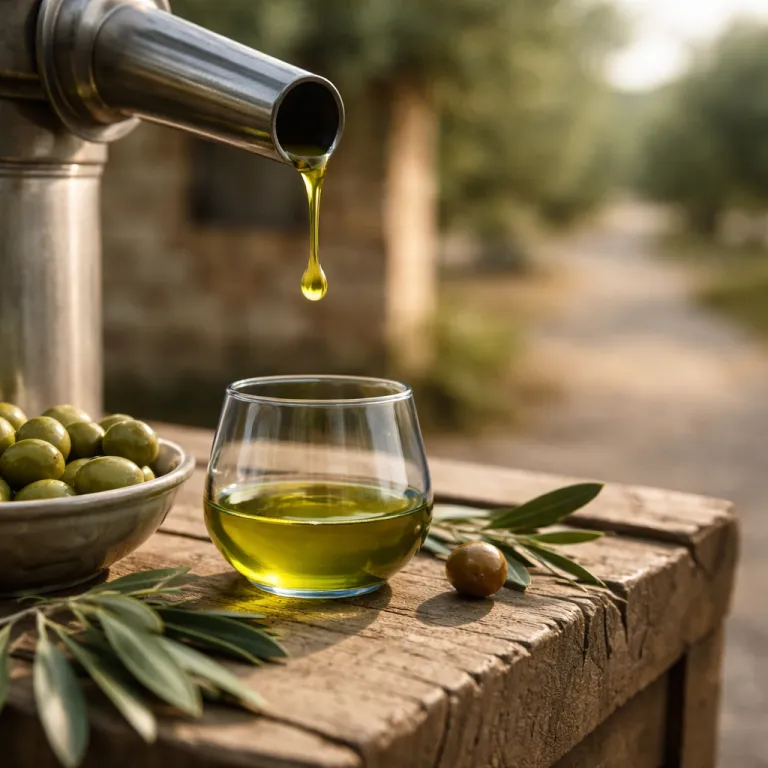
Olive oil country as a luxury escape in Jaén, Andalucía
Jaén is where Andalusian olive oil stops being a pantry staple and becomes a landscape. The province produces roughly half of Spain’s olive oil, and this scale of olive growing shapes everything from hotel design to tasting menus. When you plan an olive oil tasting in Jaén, Andalucía, you step into a world where every view, plate and glass is calibrated around this liquid gold.
From the air, the province looks like a vast green tapestry of olive trees stitched into the red earth. On the ground, those same olive groves frame Renaissance skylines in Úbeda and Baeza, and they surround whitewashed cortijos that now operate as discreet luxury hotels. A well planned tour will let you move between these properties and the mills that anchor the region’s economy, pairing high end hospitality with the most characterful oil produced on the Iberian Peninsula.
Think of this as a gourmet road trip rather than a rushed excursion. You will taste olive oils in professional tasting rooms, then sit down to dinners where chefs build entire menus around extra virgin pairings. The aim is to understand how a single olive tree, a specific olive grove and a particular harvest date can change the taste on your plate, and why serious travelers now check availability in Jaén before they book a table in Sanlúcar or a sherry bar in Jerez.
A two day route through Úbeda, Baeza and surrounding groves
Start in Úbeda, where honey colored palacios hide shaded courtyards and serious kitchens. Here, the Centro de Interpretación “Olivar y Aceite” acts as a refined gateway to olive oil tasting in Jaén, Andalucía, hosting workshops that explain why one oil jaen can feel peppery while another glides across the palate. Their équipe uses guided tastings to show how to taste olive samples correctly, moving from greener extra virgin styles to softer, late harvest virgin olive oils.
From Úbeda, a short drive brings you to Baeza, its Renaissance twin, where university cloisters and stone façades sit just above the olive groves. Many travelers choose a parador or a converted palace hotel here, then book a private tour olive experience into nearby estates to visit olive mills at work. This is where you walk between olive trees, learn how oil produced years ago differed from today’s extra virgin standards, and understand why the region’s variety of cultivars gives such range to Jaén olive profiles.
Use the afternoons for slow lunches and city wandering rather than more driving. A refined tapas bar in Baeza might offer tomato salads dressed with single estate oil olive, while a contemporary restaurant in Úbeda will plate local game with a drizzle of intensely green extra oil from early harvest fruit. If you care about gastronomy beyond the coast, pair this inland route with an evening following the best non tourist tapas bars in Seville, so you can compare how chefs across Andalucía handle the same liquid gold.
Inside a professional olive oil tasting: from mill to glass
A serious olive oil tasting in Jaén, Andalucía, feels closer to a wine masterclass than a casual dip of bread. Sessions usually begin with a short tour of the mill, where you see how modern stainless steel lines have replaced the heavy stones used years ago, and how temperature control protects the aromas of extra virgin oil. Guides explain that “What is the best time to visit Jaén for olive oil tours? November to February during the olive harvest season.”
Back in the tasting room, blue cups conceal the color of the olive oils so you focus on aroma and taste. You warm each glass in your hand, inhale deeply, then taste olive samples in small sips, letting the oil coat your mouth before you swallow. High quality extra virgin should feel clean and vibrant, with bitterness and pepper balanced by fruit, while lower grade oil olive often tastes flat, waxy or tired.
Professionals will talk you through PDO labels from areas such as Sierra de Cazorla or Sierra Mágina, pointing out harvest dates, acidity levels and the specific olive groves behind each bottle. Many tastings end with food pairings that show how one variety suits grilled fish while another flatters jamón or aged cheese, underlining how central olive oil is to the broader Andalusian gastronomy story. To deepen that context, consider combining this inland route with a coastal sherry detour, using a guide such as the piece on Jerez as a capital of gastronomy to understand how fortified wines and liquid gold share the same culinary stage.
Where to stay: paradores, palacios and rural retreats among the groves
Luxury in Jaén is quieter than on the Costa del Sol, and that is precisely the point. In Úbeda and Baeza, Renaissance palacios have been converted into polished hotels where stone staircases lead to rooms overlooking tiled roofs and distant olive trees. These properties often curate their own olive oil tasting in Jaén, Andalucía, inviting local producers to host private sessions in candlelit salons or on rooftop terraces.
Outside the towns, rural estates sit like islands in a sea of olive groves, their pools framed by rows of trees that run to the horizon. Here, you wake to the scent of crushed olive and jasmine, then join a morning visit olive walk through the estate before breakfast, learning how each olive tree is pruned and harvested. Many of these houses work directly with a nearby mill, so the oil produced on site appears at your table within days, a rare luxury even in olive growing regions.
For travelers who value heritage, the parador in Jaén city crowns a hill with views that sweep across the province’s groves and towards Sierra Mágina. Staff can arrange a tailored tour olive itinerary, pairing mill visits with lunches in traditional ventas where extra virgin oil jaen is poured generously over grilled bread. When planning, use a specialist platform to check availability across these properties, then cross reference with harvest dates so your stay aligns with the most intense season for tastings and mill activity.
Gourmet dining: when liquid gold leads the menu
In this part of Andalucía, chefs treat olive oil as both ingredient and narrative. Tasting menus often open with a flight of extra virgin oils, served in small glasses alongside simple bites so you can taste olive nuances without distraction. One course might highlight a single variety from a nearby olive grove, while another layers several olive oils to echo the complexity of a blended wine.
Expect to see local trout confited slowly in gentle oil jaen, or vegetables roasted until sweet then finished with a raw drizzle of intensely green extra oil. Desserts can be equally striking, such as vanilla ice cream slicked with fruity virgin olive and a pinch of sea salt, a combination that shows why this liquid gold deserves its reputation. Wine lists increasingly feature Andalusian bottles that complement these flavors, from mineral whites of the Sierras to structured reds that stand up to robust, peppery oils.
For a broader view of how these dining rooms fit into the region’s hospitality scene, read the guide to historic luxury hotels in Andalusia, then map your own route between city palaces and rural retreats. You will notice how often menus reference specific mills, named olive groves and even individual olive trees, a level of transparency that reinforces trust. This is gastronomy with clear provenance, where every drizzle of oil olive tells you exactly which hillside it came from and why the chef chose it.
Planning your olive oil road trip: timing, logistics and insider tips
Timing shapes the character of any olive oil tasting in Jaén, Andalucía, so decide what you want to see before you book. Harvest season from November to February brings the drama of working mills, tractors loaded with fruit and the intense aroma of freshly crushed olive, while spring offers flowering trees and softer light over the groves. Summer can be hot, but early mornings and late evenings still work beautifully for a quiet visit olive walk or a sunset taste olive session on a hotel terrace.
Jaén’s roads are straightforward, and distances between Úbeda, Baeza and nearby estates are short, which makes a two day tour both relaxed and rich. Reserve your mill visits and tasting workshops in advance, especially at places like Centro de Interpretación “Olivar y Aceite”, and always check seasonal schedules because some smaller producers close outside harvest. Local tourism offices and cultural centers coordinate with mills and hotels, so they can suggest reasons to add lesser known villages or a particular olive grove to your route.
As interest in oleotourism grows, more high end properties now offer packages that bundle accommodation, guided tour olive experiences and curated tastings of several olive oils. When you check availability, look for stays that include transport to the groves, English speaking guides and the chance to buy oil produced on site, since “Are there English-speaking guides available? Yes, many tours offer English-speaking guides.” Finally, remember that “Can I purchase olive oil directly from producers? Yes, many mills sell their products on-site.”, which means you can bring home bottles of extra virgin oil jaen that will keep the taste of this road trip alive long after you leave Andalucía.
FAQ
When is the best season to visit mills and groves in Jaén ?
The most immersive time to visit mills in Jaén is from November to February, when the harvest is underway and you can watch olives arrive, be washed and pressed into extra virgin oil. If you prefer quieter landscapes and cooler walks among flowering olive trees, late spring offers softer light and calmer roads. Both seasons work well for an olive oil tasting in Jaén, Andalucía, but harvest brings the most intense aromas and activity.
Do I need to book olive oil tastings and tours in advance ?
Advance reservations are strongly recommended, especially for guided tastings, mill visits and workshops in Úbeda, Baeza and the surrounding countryside. Many producers limit group sizes to preserve a calm atmosphere and to give guests time to taste olive oils properly, so last minute spaces can be rare in peak periods. Booking ahead also allows hotels to coordinate transfers and to check availability for English speaking guides.
Can I buy olive oil directly from producers in Jaén province ?
Most mills and estates in Jaén sell their own extra virgin oils on site, often including limited runs from specific olive groves or early harvest batches. Buying directly after a tour olive experience lets you compare what you tasted in the glass with what you take home, reinforcing what you learned about variety and harvest dates. Many travelers plan luggage space specifically for these bottles of liquid gold, since they are difficult to find outside Andalucía.
Is Jaén suitable for solo travelers interested in gastronomy ?
Jaén works particularly well for solo travelers who value quiet luxury, detailed tastings and time to walk through olive groves at their own pace. Towns like Úbeda and Baeza are compact and walkable, with enough high quality hotels and restaurants to fill several days without feeling anonymous. Joining small group tastings or workshops at centers such as Centro de Interpretación “Olivar y Aceite” also makes it easy to meet other guests who share an interest in olive growing and Andalusian cuisine.
How does olive oil from Jaén fit into the wider Andalusian food culture ?
Olive oil from Jaén underpins much of Andalusian cooking, from simple breakfasts of toasted bread and tomato to elaborate tasting menus in Seville, Córdoba and Jerez. The province’s extra virgin oils travel across the region, pairing with sherry, seafood and cured meats to create the flavors many visitors associate with southern Spain. Experiencing olive oil tasting in Jaén, Andalucía, gives you a deeper understanding of those dishes, because you see how the oil produced here shapes plates far beyond the olive groves.