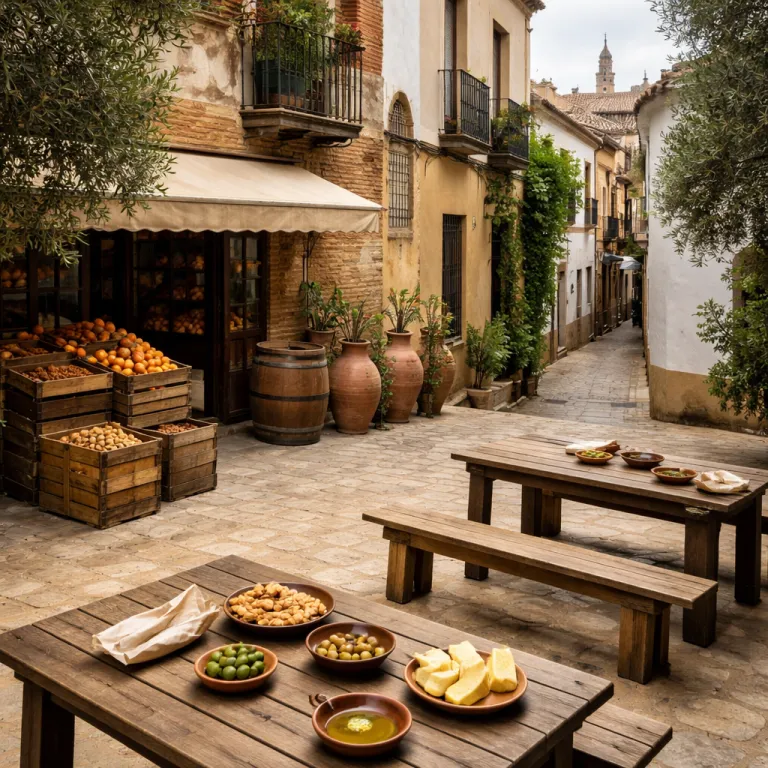
Best restaurants Seville local guide for luxury hotel guests
Seville is a city where serious food quietly shapes every stay. For guests booking luxury and premium hotels, any guide to the best restaurants in Seville should go beyond glossy lists and into the lived dining experience of residents. This is where the rhythm of almuerzo, late dinners and unhurried glasses of red wine becomes as important as your room category.
Think of the historic centre as the heart Seville offers to first time visitors, then use it as a base to explore Triana, Macarena and Alameda de Hércules for more authentic restaurants Sevilla residents actually frequent. In these neighbourhoods you will find everything from a traditional tapas bar with handwritten menus to a contemporary restaurant where local ingredients are treated with fine dining precision. The best restaurants for discerning couples balance atmosphere, high quality produce and a menu that respects Andalusian classics while allowing for quiet innovation.
Start with the institutions that define Seville, Spain as a gastronomic capital in Andalucía. El Rinconcillo, often cited as one of the oldest bars in Seville and documented in local records from the seventeenth century, anchors any serious guide with its sherry barrels, classic tiles and plates of jamón ibérico carved to order. Casa Morales, another essential bar and bodega, is where you stand beneath enormous wine vats and share pork cheeks, tortilla and other tapas with locals finishing work nearby.
Alongside these legends, modern Seville restaurants such as La Azotea, La Brunilda and Puratasca show how chefs are reworking tapas into more refined dishes without losing soul. Cañabota, a highly regarded seafood restaurant in Sevilla listed in recent editions of the Michelin Guide for Spain and Portugal, is the address for couples who want a tasting menu built around pristine fish and shellfish from the Andalusian coast. When you plan your hotel booking, consider proximity to these restaurants in Seville, Spain if dining is the centre of your trip.
How Seville eats: timing, almuerzo and what luxury travelers should expect
Understanding when Seville eats is as important as knowing where to book. Lunch rarely starts before 14:00, and the most relaxed dining experience often happens around 15:00 when the city heat softens and a glass of chilled wine feels essential. Dinner at the best restaurants usually begins after 21:00, with the room filling closer to 22:00 as couples and friends settle into long conversations.
This schedule shapes how you should plan your day from a luxury hotel base, especially if you are pairing a tasting menu with spa time or a late check out. Use almuerzo, the long midday meal, as your main dining experience and keep evenings for lighter tapas bars, a neighbourhood bar or a final plate of jamón ibérico with red wine. Many high quality hotels now coordinate concierge recommendations with restaurant reservations so that guests can move seamlessly from rooftop pool to table.
Seasonality is non negotiable in an Andalusian kitchen, and the best restaurants in Seville reflect this on every menu. In spring you will find habas con jamón, broad beans cooked with jamón ibérico, alongside artichokes and fresh peas in both traditional Seville restaurants and more contemporary restaurants Sevilla locals love. Summer brings gazpacho and salmorejo, chilled tomato dishes that appear in both singular dishes and tasting menus, while autumn and winter lean into slow cooked pork cheeks, stews and richer sauces.
Breakfast in Seville is lighter, often just coffee and toast with tomato, so many luxury travelers choose hotels known for exceptional morning spreads. If breakfast quality matters as much as your evening dining experience, look at curated resources on Andalusian luxury hotels with standout breakfasts before you book. This allows you to enjoy a generous hotel breakfast, a refined almuerzo in the city and then a relaxed circuit of tapas bars after dark.
From Triana to Macarena: neighbourhoods where locals actually eat
Once you have tasted the historic centre, cross the river to Triana where the mood shifts. Here, the best restaurants Seville local guide for couples starts with the Mercado de Triana, a covered market where stalls selling fish, vegetables and cured pork sit beside casual tapas counters. This is where you see how local ingredients move from market crate to restaurant menu in the same morning.
In Triana, Blanca Paloma and Puratasca are strong examples of how an Andalusian restaurant can feel both classic and current. You might share plates of grilled pork, fried fish and seasonal vegetables at lunch, then return in the evening for more elaborate dishes paired with wine from Jerez or Montilla Moriles. The nearby bars and tapas bars along Calle Betis are lively, but many locals step one or two streets inland to avoid the most tourist focused terraces.
North of the centre, Macarena and Alameda de Hércules offer a different dining experience again. Here you will find a mix of creative Seville restaurants, relaxed tapas bar options and small venues where natural wine lists sit beside blackboards of daily dishes. Couples staying in luxury hotels near the centre often walk up for a more bohemian atmosphere, then taxi back after midnight.
Across these neighbourhoods, look for signs that a tapas bar is truly local rather than tourist driven. Menus in Spanish first, a short list of daily dishes on a chalkboard, and a clientele that clearly includes hospitality staff on their nights off are reliable indicators. To understand how this local culture connects with the wider Andalusian food scene, it is worth reading about Jerez as Spain’s Capital of Gastronomy, since its sherry and culinary momentum are lifting the entire region, including Seville.
Essential addresses: from El Rinconcillo to Mateos Gago’s hidden corners
A serious best restaurants Seville local guide must name names, and it starts with El Rinconcillo. This bar, often described as the oldest restaurant in Seville and recorded in city archives from the 1600s, is where tiled walls, hanging hams and chalked bills on the counter create a classic Andalusian atmosphere. Order spinach with chickpeas, croquetas and a plate of jamón ibérico, then watch how the staff move with quiet precision.
Close by, La Azotea and La Brunilda represent the new generation of restaurants Sevilla residents recommend to friends. Both focus on high quality local ingredients, thoughtful wine lists and dishes that reinterpret tapas without losing their roots in traditional Seville, Spain cooking. Reservations are essential, especially for couples who want a slower, more intimate dining experience rather than a quick stop at a crowded bar.
In the Santa Cruz quarter, the streets around Calle Mateos Gago can feel dominated by tourist menus, yet there are still addresses worth your time. Taberna Peregil, also known as Taberna Álvaro Peregil or taberna Alvaro in some guides, is famous for its orange wine and compact tapas bar interior. Nearby, Pelayo Bar on Calle Mateos Gago offers a more polished setting where you can pair pork cheeks, grilled fish and salads with a bottle of red wine while watching the flow of the city outside.
Do not overlook Casa Morales near the cathedral, where enormous wine vats line the walls and locals order montaditos, stews and some of the best tapas in the centre. A short walk away, Cañabota stands apart as a Michelin recognised seafood restaurant in Sevilla, noted in the Michelin Guide, and ideal for a special occasion dinner focused on pristine fish cooked with minimal intervention. When planning your stay, remember that El Rinconcillo has been welcoming guests since the seventeenth century, that Cañabota offers a tasting menu built around seafood and that Casa Morales serves authentic Sevillian tapas in a historic bodega setting.
How luxury travelers should use this Seville restaurant guide from their hotel
For couples booking premium hotels, the best restaurants Seville local guide becomes a planning tool rather than a checklist. Start by mapping your chosen hotel against key dining areas such as Triana, Macarena, Alameda and the lanes around Santa Cruz. This helps you decide when to walk, when to take a taxi and where to schedule long lunches versus casual evenings of tapas.
Use your concierge as a partner, but arrive with a clear sense of which restaurants in Seville, Spain matter most to you. Many concierges privately favour places like La Azotea, Casa Morales, Blanca Paloma or a trusted tapas bar near their own homes when they are off duty. Ask them directly where they eat pork cheeks, which tapas bars they consider to have the best jamón ibérico and which Seville restaurants they would book for an anniversary dinner.
For travelers exploring more of Andalusia, Seville can be the opening chapter in a wider gastronomic itinerary. Pair nights in the city with coastal stays or inland retreats, using resources such as this guide to the best hotels in Málaga for luxury stays to extend your trip. The same principles apply everywhere: follow local ingredients, respect the region’s dining schedule and prioritise restaurants where the room feels genuinely Andalusian rather than staged.
When you read any guide, remember that Seville has thousands of restaurants, from humble bars to Michelin listed dining rooms. That scale means there is no single list of best restaurants, only layers of experience that change with the season, your mood and the neighbourhood you choose. Treat this guide as a framework, then let your own walks through Sevilla, from calle to calle and bar to bar, fill in the details.
FAQ
How far in advance should I book restaurants in Seville for a luxury trip ?
For the most sought after Seville restaurants such as Cañabota, La Azotea or La Brunilda, reserve at least one to two weeks ahead, especially for weekend dinners. Historic bars like El Rinconcillo and Casa Morales often keep part of the space for walk ins, but arriving early in the service helps. During peak travel periods, ask your hotel concierge to secure key bookings as soon as you confirm your stay.
What is the average cost of a meal in Seville’s better restaurants ?
Data from the Seville Tourism Board and platforms such as Numbeo indicate that an average meal in the city costs around 15 EUR per person without wine. In practice, a couple dining at mid range restaurants Sevilla residents favour, with shared tapas, a main dish and a bottle of red wine, should expect to spend more. Tasting menus at high end venues like Cañabota will sit significantly above this, reflecting the focus on high quality seafood and service.
How can I tell if a tapas bar is mainly for tourists ?
Bars that display large multilingual photo menus, offer continuous service all day and stand directly on the busiest corners of Santa Cruz or Calle Mateos Gago tend to be more tourist focused. A local oriented tapas bar usually has a shorter menu in Spanish, a blackboard of daily dishes and a clientele that clearly includes neighbourhood workers and hospitality staff. Trust your instincts: if you hear mostly foreign languages and see very similar plates on every table, you are probably not in the most authentic spot.
Which areas are best for authentic tapas near luxury hotels in Seville ?
Many luxury properties sit near the historic centre, within walking distance of Casa Morales, El Rinconcillo and the lanes of Santa Cruz. For a more local feel, cross the river to Triana for places like Blanca Paloma or head north to Macarena and Alameda de Hércules, where creative tapas bars mix with classic taverns. Taxis are inexpensive over short distances, so you can comfortably explore several neighbourhoods in one evening.
Are Seville’s traditional dishes suitable for guests who do not eat pork ?
Andalusian cuisine uses a lot of pork, from jamón ibérico to pork cheeks and sausages, but there are always alternatives. Look for dishes based on fish, seafood, vegetables, eggs and legumes, such as salmorejo, grilled fish, tortilla or chickpea stews. When booking restaurants in Seville, Spain, mention your preferences in advance so the kitchen can guide you through the menu.