Why sustainable hotels in Andalusia matter for your carbon footprint
Andalusia sits in southern Spain with more than 3,000 hours of sun each year, which makes it one of Europe’s most promising regions for low carbon hotels and climate conscious travel strategies. That much light over the countryside and cities allows luxury properties to generate solar energy at scale, turning sustainability from a marketing line into a structural advantage for high end tourism. For business leisure travelers, this means you can align ESG goals with pleasure, choosing hotels where your stay has a measurably lower carbon footprint while still feeling utterly indulgent.
The region’s push toward sustainable tourism is not abstract; it is written into Spain’s national quality over quantity tourism strategy and Andalusia’s own environmental regulations. These policies encourage green hotels to invest in solar panels, water saving systems and sustainable management practices that protect nature and local communities instead of exhausting them. When you filter properties through the lens of eco certified hotels and carbon efficient performance, you are also choosing places that tend to manage energy, waste and staff training with the same precision they bring to concierge service.
Luxury travelers often worry that eco friendly choices mean rustic compromises, yet the best hotels in southern Spain prove the opposite. In Seville, Córdoba and Málaga, high end hotel conversions of palacios and cortijos combine cultural heritage with discreet eco technology, from photovoltaic roofs to greywater recycling hidden behind azulejo courtyards. Many of these properties pursue recognised labels such as Green Key, ISO 14001 or Biosphere certification, showing how responsible tourism can feel natural and elegant, with regenerative landscaping, protected local wildlife habitats and panoramic views over rural Andalusian hills that remain blissfully unspoiled.
Solar powered luxury: from coastal resorts to rural Andalusian retreats
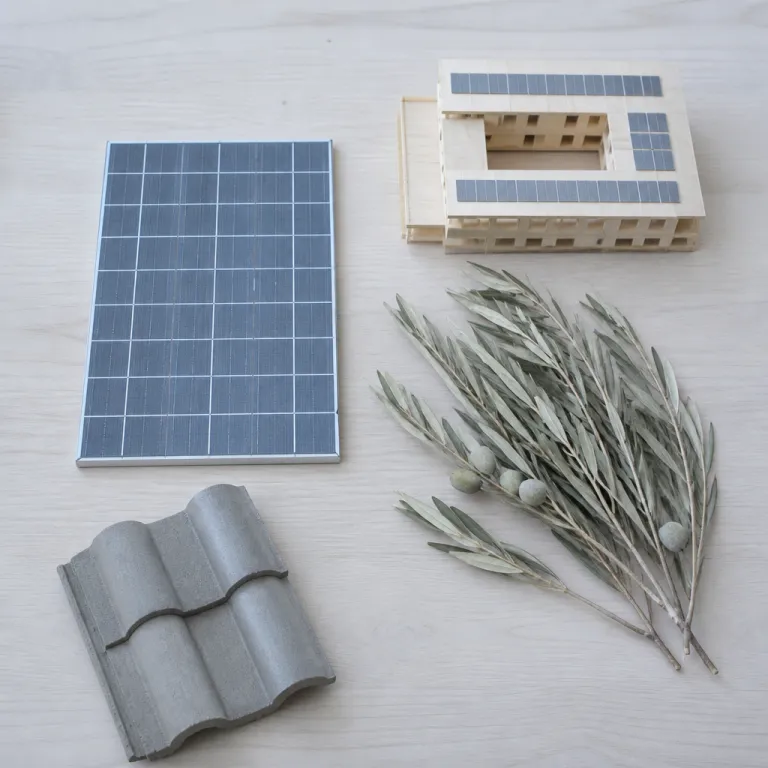
Three Andalusian properties illustrate how solar power is reshaping premium sustainable stays and hotel carbon footprint performance at the top end of the market. On the Atlantic side in Chiclana de la Frontera, Iberostar Royal Andalus has installed 300 hybrid PVT solar panels, a system that generates both electricity and heat for the hotel. According to Iberostar Group sustainability communications and its published responsible tourism reports, those panels save around 204,785 kilograms of CO2 per year, a concrete data point that matters when corporate travelers must report on environmental metrics after every trip.
Move inland into the olive clad countryside and Casa Olea, near Priego de Córdoba, takes a different but equally sustainable route. This intimate rural country house uses 36 solar panels and an olive pellet biomass boiler, turning the by products of traditional groves into clean heat while reducing carbon emissions and protecting the surrounding nature. Guests wake to panoramic views of hills and a natural park landscape, yet behind the scenes the owners run careful sustainable management systems that minimise environmental footprint without diluting comfort.
Further south in Casares, The Wild Olive Andalucía operates almost entirely off grid across five hectares of land, surrounded by nature on all sides and powered by solar arrays sized to match guest demand. Here, sustainable tourism feels simple and quietly luxurious rather than hair shirt; you swim in a pool edged by local wildlife friendly planting, then dine on vegetables from the garden and olive oil pressed from the estate. For travelers seeking peace after meetings in Madrid or Barcelona, these rural Andalusian retreats offer quiet luxury that is genuinely eco friendly, and they contrast elegantly with the urban refinement of superior rooms in Mallorca highlighted in this guide to Mallorca hotels with superior rooms blending comfort and style.
Olive groves, organic gardens and regenerative countryside hospitality
Solar panels may headline the Andalusian sustainable hotel and carbon footprint story, but the real transformation happens where energy systems meet olive groves and kitchen gardens. Across southern Spain, forward thinking hotels are integrating traditional agriculture into regenerative hospitality, using estate olive oil, seasonal vegetables and herb terraces to shorten supply chains. This approach protects the environment, supports local communities and gives travelers a more cultural and natural connection to place than any generic luxury buffet.
At Casa Olea, the olive pellet biomass boiler closes a loop between grove and guest, turning agricultural waste into heat while the trees themselves lock in carbon and stabilise the rural Andalusian landscape. The Wild Olive Andalucía uses its five hectare estate as both habitat and pantry, with surrounding nature that shelters local wildlife and provides ingredients for slow, countryside suppers. These country house style stays show how sustainable management can be social and environmental as well as technical, keeping families on the land and maintaining village economies that might otherwise hollow out.
Corporate travelers extending a work trip often arrive with ESG checklists, yet they also crave authenticity and calm, seeking peace after long days in boardrooms. Choosing green hotels that grow their own food, manage water carefully and invest in regenerative landscaping lets you meet both needs in one booking. When you combine these rural experiences with refined city stays, such as the Moorish inspired properties featured in this selection of exceptional Andalusia hotel booking discounts for luxury and premium stays, your overall travel footprint shrinks while the cultural depth of your itinerary expands.
How to read a hotel’s sustainability claims like an insider
When you browse a booking site, it can be tempting to skip content about sustainability and head straight for the spa photos, yet the details behind those green badges matter. A credible profile for eco friendly hotels and Andalusia carbon footprint performance should specify how much energy comes from solar panels, whether water is recycled and how waste is handled. Look for clear references to sustainable management, such as energy efficient appliances, biomass boilers or partnerships with renewable energy companies rather than vague eco language.
Ask whether the hotel tracks its environmental footprint in hard numbers, as Iberostar Royal Andalus does with its documented CO2 savings from PVT panels in its sustainability reporting. Properties that mention sustainable tourism certifications, local community employment and protection of nearby natural park areas are usually more serious about long term sustainability. You should also check how the hotel engages with cultural and natural heritage, from supporting local artisans to funding trails that protect rather than damage nature.
Price is often misunderstood in this space, because eco friendly or green hotels are not automatically more expensive than conventional ones. In Spain Andalusia, some solar powered countryside retreats can offer competitive rates precisely because their energy costs are lower and more predictable. For business leisure travelers balancing budgets and ESG reporting, this means you can choose hotels that are both financially and environmentally efficient, aligning your carbon footprint with your company’s strategy without sacrificing comfort.
Planning a low carbon itinerary across southern Spain
Designing an itinerary around sustainable hotels and Andalusia carbon footprint performance starts with geography and transport, not just room type. Flying into Málaga or Seville and then using trains or electric car hire across southern Spain can dramatically reduce the travel emissions you control directly. For example, a high speed rail journey between Madrid and Málaga can emit several times less CO2 per passenger than the equivalent domestic flight, especially when powered by Spain’s increasingly renewable electricity mix. Once on the ground, you can stitch together a route that alternates city stays with countryside retreats, balancing cultural immersion with time in nature.
In Seville or Málaga, choose a centrally located hotel that invests in sustainability and lets you walk to major cultural sites, tapas bars and flamenco tablaos instead of relying on taxis. For a refined urban base with Moorish design and strong environmental credentials, consider properties similar in spirit to those featured in this guide to elegant Málaga hotels with Moorish interiors. Then head inland to a rural Andalusian country house near a natural park, where surrounding nature, panoramic views and quiet nights under clear skies make the environmental choices feel instinctive rather than forced.
Throughout Spain Andalusia, you will see how sustainable tourism is shifting from niche to norm, with more hotels installing solar panels, refining waste systems and reducing carbon through smarter design. As a traveler, you can amplify that shift by supporting local communities, choosing eco friendly activities and asking informed questions about each hotel’s environmental practices. The result is a trip where your footprint is lighter, your connection to place is deeper and the line between business and leisure blurs into something far more rewarding.
FAQ
What are PVT panels and why do they matter for hotels ?
PVT panels are hybrid solar panels that generate both electricity and heat. For hotels in Andalusia, they are ideal because the strong sun can power lighting, air conditioning and hot water from the same rooftop surface. This dual function helps reduce a property’s carbon footprint while freeing up space for terraces, pools or green roofs.
How do biomass boilers work in olive growing regions ?
Biomass boilers burn organic materials, like olive pips, to produce heat. In Andalusia’s olive countryside, this means hotels can turn agricultural by products into a clean energy source for heating water and rooms. The system supports sustainable management of groves and reduces reliance on fossil fuels.
Why is sustainable tourism important for Andalusia’s countryside ?
Sustainable tourism is important because it minimizes environmental impact and supports local communities. In Andalusia, that translates into protecting fragile natural park ecosystems, keeping rural economies alive and preserving cultural traditions linked to olive farming and wine making.
Are eco friendly luxury hotels in Andalusia more expensive ?
Eco friendly hotels in southern Spain are not automatically pricier than conventional properties. Solar power, efficient appliances and local sourcing can lower operating costs, which sometimes allows competitive rates in both cities and countryside. The key is to compare value, looking at energy practices, location and service level rather than assuming a green label means a premium.
How can business travelers align ESG goals with Andalusian stays ?
Business travelers can choose hotels that publish clear data on energy use, solar generation and CO2 savings, such as the documented figures from Iberostar Royal Andalus in its sustainability reports. Booking properties near meeting venues reduces transport emissions, while extending stays into rural eco retreats supports regenerative tourism. Keeping records of these choices helps companies report accurately on ESG performance linked to corporate travel.