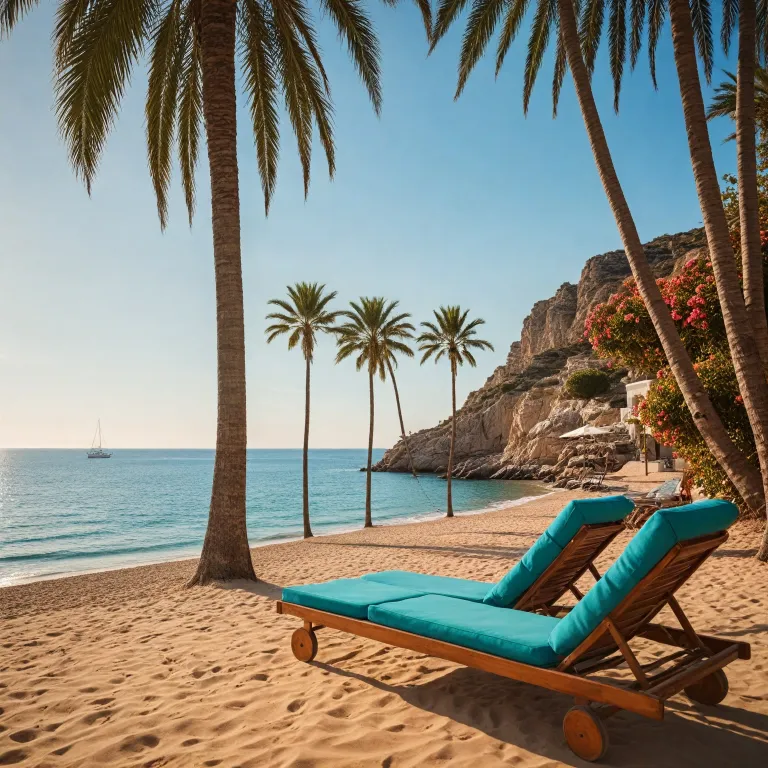
Coastal elegance and the best beaches in southern Spain
Southern Spain offers a rare blend of refined coastal living and effortless access to some of the best beaches in southern Spain. Along this luminous costa, luxury and premium hotels frame each beach and playa as part of a curated travel experience, not just a scenic backdrop. For discerning guests planning a trip, the region’s coastal towns and islands combine sophisticated stays with Europe’s most inviting stretches of sand.
In Málaga, Playa de la Malagueta brings an urban beach atmosphere within walking distance of high end hotels and cultural landmarks, making it ideal for a short stay focused on art, gastronomy, and the beach. Its 1.2 kilometres of sand allow guests to move easily between shaded loungers, waterfront chiringuitos, and the city’s museums, which is particularly attractive for travellers who value time efficiency during a trip. This balance between city energy and relaxed beaches reflects why many consider Málaga a gateway to the best beaches in southern Spain.
Further east along the costa, Playa de Calahonda in Nerja offers a more intimate beach framed by cliffs, where premium properties overlook the Mediterranean and the historic Balcón de Europa. Here, the beach and playa culture feels slower, with clear water, sheltered coves, and a coastal setting that suits couples seeking privacy and tailored hotel services. For travellers comparing beaches Spain wide, this stretch of southern Spain stands out for its combination of natural drama, refined dining, and easy access to both coastal towns and inland white villages.
Luxury stays along the Costa del Sol and Costa de la Luz
For travellers evaluating the best beaches in southern Spain, the twin axes of Costa del Sol and Costa de la Luz define two distinct luxury personalities. Along Costa del Sol, resorts near Playa de la Malagueta and further west toward Marbella position guests close to lively beaches, marinas, and golf courses, ideal for a dynamic trip. In contrast, Costa Luz and its long, wild beaches offer a quieter, more nature focused stay that appeals to guests seeking space, privacy, and understated elegance.
Playa de la Barrosa, stretching around 8 kilometres near Chiclana de la Frontera, is a benchmark for family friendly luxury on Costa Luz, with premium hotels set back from the sand to preserve the coastal landscape. Here, guests can move from pool to beach and playa via landscaped paths, while children enjoy shallow waters and supervised activities that make a multi generational trip smoother. This model of integrated resort planning has helped position the area among the best beaches in southern Spain for families who value both comfort and environmental sensitivity.
Further south, Playa de Bolonia near Tarifa showcases one of Europe’s tallest coastal dunes, rising around 30 metres above a sweeping arc of sand. Luxury travellers often pair a stay in Tarifa’s refined guesthouses with day trips to this beach, where the combination of Atlantic light, Roman ruins, and protected dunes creates a singular sense of place. For guests comparing beaches Costa wide, Bolonia’s natural drama and the nearby premium accommodation options make it a highlight of Costa Luz and a strong contender among the best beaches in southern Spain.
Tarifa, Zahara de los Atunes, and the art of secluded luxury
At the southern tip of Spain, Tarifa has evolved into a sophisticated hub for wind sports enthusiasts and slow travel connoisseurs seeking the best beaches in southern Spain. Playa de Valdevaqueros, just outside town, is renowned for its reliable winds, expansive sand, and relaxed beach clubs that cater to both kite surfers and guests who simply want to watch the spectacle. Luxury and premium hotels in and around Tarifa increasingly design services around this active coastal lifestyle, offering equipment storage, transfers, and wellness treatments tailored to wind weary travellers.
West of Tarifa, the coastline softens into a series of coves and long beaches near Zahara de los Atunes, where Playa de los Alemanes and Playa de Bolonia share a reputation for clear water and low density tourism. In this area, zahara and Zahara los Atunes have become shorthand among insiders for discreet luxury, with villas and small high end hotels prioritising privacy, gastronomy, and direct access to the beach and playa. Names such as playa bolonia, playa los Alemanes, and the broader costa luz are frequently mentioned together by travellers comparing the best beaches in southern Spain for sunset views and tranquil stays.
Nearby, Conil de la Frontera and its surroundings, including Conil Frontera and the stretch toward Zahara los Atunes, offer additional options for guests who want coastal towns with character rather than large scale resorts. Here, premium properties often highlight local seafood, Atlantic views, and curated excursions to beaches Spain wide, including references to northern Spain for guests planning a longer trip. This combination of understated luxury, authentic coastal towns, and access to some of the best beaches in southern Spain makes the Tarifa Zahara corridor particularly attractive for repeat visitors.
From Málaga to Huelva: coastal towns, nature, and refined escapes
Beyond the headline resorts, several coastal towns in Andalusia offer access to the best beaches in southern Spain while maintaining a more local rhythm. To the east, Playa de Maro near Nerja is framed by cliffs and protected coves, where clear water and marine life make it a reference point for snorkelling enthusiasts. Luxury travellers often base their stay in Nerja or nearby coastal towns, using private transfers or rental cars to reach this beach and playa early in the day before it fills.
To the west, Huelva province introduces a different coastal character, with long pine backed beaches such as Playa de Punta Umbría and Playa de Mazagón. These stretches of sand feel more open and less built up than parts of Costa del Sol, which appeals to guests who value space, walking routes, and a quieter trip. Premium hotels in this area tend to emphasise nature, birdwatching in nearby wetlands, and easy access to the beach, positioning the region as an alternative among the best beaches in southern Spain for slow travel.
Playa de los Muertos, further east in Almería province, adds another dimension with its turquoise water and dramatic, relatively undeveloped setting. Access requires a walk down a steep path, which naturally limits crowds and reinforces its reputation among beaches Spain wide as a more secluded option. For luxury travellers, this often means pairing a comfortable stay in a nearby town with carefully planned day trips, using private guides or transfers to manage logistics and maximise time on the sand.
Linking Andalusia with the Balearic Islands, Canary Islands, and northern Spain
Many travellers researching the best beaches in southern Spain also compare them with the Balearic Islands and Canary Islands, especially when planning longer itineraries. While Andalusia’s costa offers easy access to cultural cities and coastal towns, islands such as Ibiza or Tenerife add a different rhythm, with distinct nightlife, volcanic landscapes, and resort styles. For guests booking luxury and premium hotels, the key is to understand how each beach and playa fits into the overall trip, balancing relaxation, exploration, and travel time.
Ibiza, with its famous cala coves and beach clubs, often enters the conversation when guests ask how beaches Spain wide compare in terms of atmosphere and services. A stay that combines southern Spain with the Balearic Islands can work well for travellers who want both Andalusia’s historic towns and the islands’ more insular coastal experiences. Similarly, the Canary Islands offer year round mild weather and volcanic sand, which contrasts with the golden sand of Costa del Sol, Costa Luz, and even Costa Brava further north.
Some well informed travellers also extend their journey toward northern Spain, where coastal towns such as San Sebastián and its Playa Concha provide a different interpretation of urban beach life. When travel planners present options, they often frame San Sebastián and Playa Concha as a northern counterpart to Málaga and Playa de la Malagueta, allowing guests to compare culinary scenes and coastal architecture. In this broader European context, the best beaches in southern Spain remain highly competitive, particularly for travellers who value a combination of climate, accessibility, and luxury hotel infrastructure.
Designing a luxury stay around Andalusia’s finest playas
For guests using a dedicated luxury and premium hotel booking website in Andalusia, the main challenge is not finding the best beaches in southern Spain but selecting the right combination for their style of stay. A curated itinerary might begin with an urban beach and playa such as Playa de la Malagueta, continue along Costa del Sol and Costa del Sol’s quieter corners, then shift toward Costa Luz for wilder sand and sunsets. Along the way, careful selection of hotels in coastal towns like Tarifa, Zahara de los Atunes, Conil Frontera, and Punta Umbría ensures that each segment of the trip feels distinct yet cohesive.
Travel planners increasingly integrate sustainability criteria when recommending beaches Costa wide, reflecting a broader trend toward responsible tourism in Spain and across Europe. Increased interest in eco friendly and sustainable beach tourism, growing popularity of water sports such as kite surfing and snorkeling, rising demand for secluded and less crowded beach destinations, enhanced digital resources providing real time beach information, emphasis on preserving natural habitats and promoting responsible tourism. For readers interested in how art, design, and community engagement intersect with high end hospitality, this perspective is explored in depth in this analysis of artistic collaborations elevating luxury and premium hotel booking in Andalusia, which complements any beach focused trip.
When comparing options, it is helpful to think in terms of coastal segments such as Costa del Sol, Costa Luz, and even Costa Brava for future trips, rather than isolated beaches. Guests can then decide whether their priority is an active trip with water sports at Playa de Valdevaqueros, a family stay near Playa de la Barrosa, or a romantic escape close to Playa de los Alemanes or Playa de Maro. By aligning each chosen beach and playa with a specific hotel style and local town, travellers create a layered experience that fully reflects the richness of southern Spain and its position among the best beaches in southern Spain.
Key statistics on Andalusia’s leading beaches
- Playa de la Malagueta in Málaga offers approximately 1.2 kilometres of urban sand, combining city access with full beach services.
- Playa de la Barrosa near Chiclana de la Frontera extends for about 8 kilometres, providing ample space for families and premium resorts.
- The main dune at Playa de Bolonia near Tarifa rises to roughly 30 metres, creating one of the most striking natural viewpoints on Costa de la Luz.
Essential questions for planning your coastal stay
What is the best time to visit southern Spain's beaches?
The best time to visit is during the late spring to early autumn months (May to September) when the weather is warm and sunny. During this period, most coastal towns operate at full capacity, with beach clubs, restaurants, and water sports centres open daily. Luxury and premium hotels also tend to offer their widest range of services, from rooftop events to curated excursions along the costa.
Are there any family-friendly beaches in southern Spain?
Yes, beaches like Playa de la Barrosa and Playa de la Malagueta are known for their family-friendly environments. Both offer gentle entries into the sea, lifeguard presence in high season, and nearby facilities that make a day on the sand easier with children. Many surrounding hotels provide family suites, kids’ clubs, and direct access to the beach and playa, which simplifies logistics for multi generational trips.
Which beaches in southern Spain are best for water sports?
Playa de Valdevaqueros is renowned for kite surfing, while Playa de Maro offers excellent snorkeling opportunities. Around Tarifa, specialised schools and rental centres support both beginners and experienced riders, integrating lessons into longer stays at premium properties. Guests who prefer calmer activities can choose hotels that organise guided kayaking, paddleboarding, or boat excursions along the costa, ensuring that the best beaches in southern Spain are enjoyed from both shore and sea.