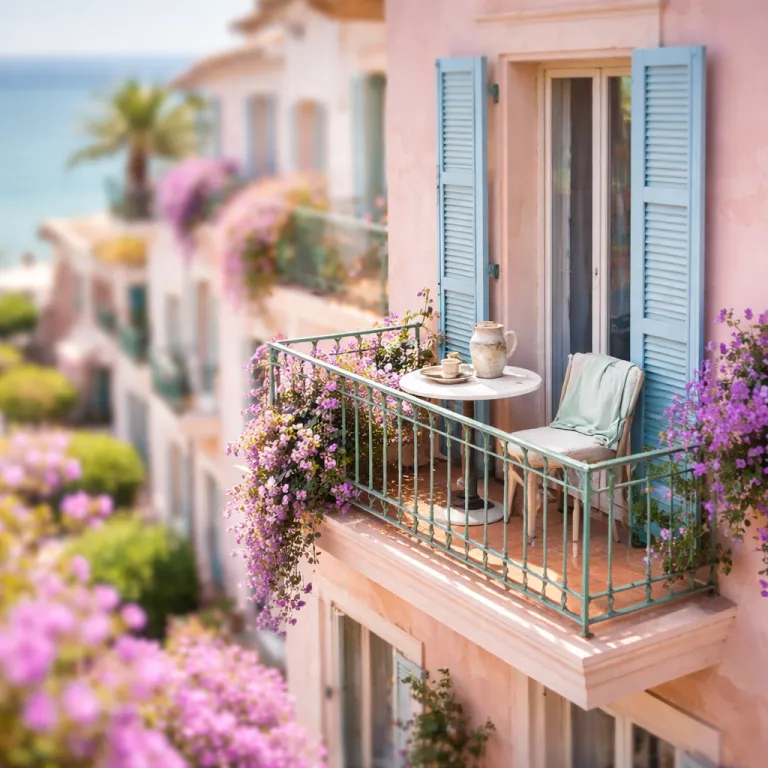
Why the Mediterranean coast is a strong choice for a luxury hotel stay
Salt on the air, cicadas in the background, and that particular light you only get where sea meets limestone cliffs. If you are hesitating between Andalusia, Italy, Greece or a quieter island, the Mediterranean coast remains one of the most reliable regions in the world for refined hotels and generous hospitality. You come for the sea, of course, but you stay for the rhythm of late dinners, slow mornings, and the way even a simple room can feel like a private retreat when it opens onto the coast.
For travelers focused on hotels rather than pure sightseeing, the Mediterranean is especially forgiving. You can choose a property with a serious spa, an outdoor pool that feels like an extension of the sea, or suites with panoramic views and still be within a short drive of historic centres and vineyards. In southern Spain, for instance, a hotel on the Costa del Sol near Marbella can place you less than 30 minutes from white villages in the hills while keeping the beach at your doorstep. That mix of coastal ease and cultural access is what makes the area so compelling for a luxury hotel stay.
Not every stretch of the Mediterranean coast suits the same traveler. Some zones lean towards large resorts with several pools and a beach club atmosphere, others towards discreet luxury with only a handful of rooms. Before you book, decide whether you want energy or quiet, a place where you dress for dinner or one where you walk barefoot from the sand to the bar. The right choice depends less on the country and more on the micro-area you pick, from Málaga’s Paseo Marítimo to quieter coves near Nerja or Estepona, or even smaller Mediterranean islands where the pace slows further.
Top Mediterranean coast hotels for a luxury stay
To match these different moods, here is a curated selection of notable Mediterranean coastal hotels, ranging from relaxed beach resorts to intimate design-led retreats. All distances and transfer times are approximate and based on widely used mapping tools and official airport or tourism transport information available as of 2024.
- Gran Hotel Miramar, Málaga, Spain – Star rating: 5-star grand hotel. Location: La Malagueta beach, about 12 km (15–20 minutes by taxi) from Málaga-Costa del Sol Airport. Typical price band: Upper mid-range to luxury, with higher rates in peak summer. Key amenities: Historic palace building, landscaped gardens, large outdoor pool facing the Mediterranean, spa, several restaurants and direct access to the seafront promenade. Signature feature: Heritage architecture combined with resort-style facilities in an urban beachfront setting. Booking tip: Choose a premium sea-view room on a higher floor to minimise street noise from the paseo marítimo and enjoy clearer views.
- Puente Romano Beach Resort, Marbella, Spain – Star rating: 5-star beach resort. Location: Golden Mile between Marbella and Puerto Banús, roughly 45 minutes’ drive from Málaga airport (around 55 km, traffic dependent). Typical price band: Luxury, especially during school holidays and high season. Key amenities: Village-style layout, multiple outdoor pools, tennis and fitness club, spa, kids’ facilities and a cluster of high-end restaurants and bars. Signature feature: A lively resort atmosphere with direct access to the seafront promenade and beach. Booking tip: If you value quiet, request a suite set back from the central plaza, as evenings can be lively with music and diners.
- Parador de Nerja, Nerja, Spain – Star rating: 4-star parador. Location: Cliff-top above Burriana Beach, about 70 km east of Málaga (around 50–60 minutes by car under normal conditions). Typical price band: Mid-range, with good value outside peak August dates. Key amenities: Gardens with sea views, outdoor pool, restaurant with terrace, parking and lift down from the grounds directly to the sand. Signature feature: Direct beach access from a clifftop setting, with wide Mediterranean views from many rooms. Booking tip: Reserve a superior room with terrace facing the Mediterranean rather than the town side for a more immersive coastal feel.
- Le Sirenuse, Positano, Italy – Star rating: 5-star boutique hotel. Location: Central Positano on the Amalfi Coast, approximately 60 km from Naples International Airport (often 1.5–2 hours by road due to traffic and coastal roads). Typical price band: High-end luxury, with premium pricing in late spring and summer. Key amenities: Terraced pool area, acclaimed restaurant, bar with sea views, spa, boat excursions and concierge for local experiences. Signature feature: Iconic hillside setting with cinematic views over Positano’s bay. Booking tip: Book well in advance for late spring or early autumn, when sea views are clear but crowds are thinner and temperatures more comfortable.
- Belmond Hotel Splendido, Portofino, Italy – Star rating: 5-star luxury hotel. Location: Hillside above Portofino harbour, around 45 km from Genoa Airport (about 1 hour by car along the Ligurian coast). Typical price band: Luxury, with rates reflecting its landmark status. Key amenities: Panoramic pool terrace, fine-dining restaurant, gardens, spa, complimentary shuttle to the harbour and classic yacht-filled bay views. Signature feature: Elevated position overlooking Portofino and the Ligurian coastline, ideal for guests who value scenery and tranquillity. Booking tip: Consider a room with balcony rather than a larger interior category; outdoor space is the real luxury here for enjoying the Mediterranean light.
- Il Pellicano, Porto Ercole, Italy – Star rating: 5-star luxury retreat. Location: Tuscan Maremma coast on the Monte Argentario peninsula, roughly 150 km from Rome Fiumicino Airport (about 2 hours’ drive via coastal and inland roads). Typical price band: Luxury, with a focus on high-end gastronomy and service. Key amenities: Secluded cove with sea platforms, outdoor pool, Michelin-starred restaurant, spa, boat access and terraced gardens. Signature feature: Intimate hideaway feel with direct access to the water and a strong culinary reputation. Booking tip: If you plan to swim daily, prioritise rooms close to the sea-level deck rather than higher hillside options to reduce stair use.
- Blue Palace Elounda, Crete, Greece – Star rating: 5-star resort. Location: Elounda Bay, about 65 km from Heraklion Airport (typically 1–1.5 hours by car depending on traffic and route). Typical price band: Upper mid-range to luxury, with frequent seasonal offers. Key amenities: Multiple pools, spa, private pebble beach, several restaurants, water sports and many suites with private plunge pools. Signature feature: Terraced layout with views across to Spinalonga Island from most public areas and many rooms. Booking tip: Check whether your room’s pool is heated outside peak summer if you are travelling in shoulder season, as evenings can be cooler.
- Canaves Oia Suites, Santorini, Greece – Star rating: 5-star all-suite hotel. Location: Oia village on Santorini’s caldera, around 17 km from Santorini Airport (roughly 25–35 minutes by taxi, traffic and road conditions permitting). Typical price band: Luxury, with rates peaking during sunset season. Key amenities: Cave-style suites, private plunge pools, infinity pool, restaurant, bar and concierge for boat trips and wine tours. Signature feature: Suites carved into the cliff with plunge pools overlooking the caldera and sunset views from many terraces. Booking tip: For more privacy, look for suites positioned away from the main pedestrian path through Oia and confirm terrace orientation.
- Parilio, Paros, Greece – Star rating: 4-star design hotel. Location: Near Naoussa on Paros, reached via Paros Airport (domestic flights from Athens, around 40 minutes) or ferry from Piraeus (commonly 3–4 hours, route dependent). Typical price band: Design-focused mid-range to luxury, with more accessible rates outside August. Key amenities: Minimalist architecture, large central pool framed by sculptural columns, restaurant, bar, spa area and easy access by car to nearby beaches. Signature feature: Contemporary Cycladic design with a calm, resort-style pool scene. Booking tip: Hire a car or arrange transfers in advance, as taxis can be limited in peak season and distances between beaches and Naoussa can add up.
These examples illustrate how varied Mediterranean coastal hotels can be, from urban beachfront icons to secluded coves. When you compare options, use mapping tools or official tourism journey planners to confirm transfer times and distances; for instance, the drive from Málaga Airport to Torremolinos is typically 15–20 minutes for about 8–9 km according to local taxi estimates and common route planners, which is a useful benchmark for similar coastal hops.
How to choose the right Mediterranean area: Spain, Italy, Greece and islands
Coastal Spain, especially Andalusia, works well if you want a hotel that balances beach life with easy logistics. From Málaga-Costa del Sol Airport to a sea-facing lobby in Torremolinos or Benalmádena can be under 25 minutes by taxi for a distance of roughly 8–15 km, and you still have Granada, Ronda and Jerez within day-trip distance of roughly 1.5 to 2 hours by car. The hotels here often favour generous pools, family-friendly layouts and long promenades where you can walk for kilometres along the coast. If you love tapas, late-night terraces and a relaxed dress code, this is your natural starting point for a Mediterranean coastal holiday.
Italy offers a different mood. Think terraced properties above the sea, fewer rooms, and a stronger focus on design and gastronomy. In regions like Tuscany and the Maremma area, some coastal hotels feel almost rural despite being close to the beach, with pine forests, vineyards and long, wild stretches of sand. Around the Amalfi Coast or Portofino, expect higher nightly rates and more steps, but also postcard views and serious restaurants. You trade immediate urban life for a sense of retreat. For many couples, that is exactly the point; they come for slow mornings, long lunches and sunsets that feel almost theatrical along the Italian Riviera or Tyrrhenian shoreline.
Greece and its islands add another layer. Here, whitewashed architecture, direct sea access and dramatic views dominate. Hotels on larger islands such as Crete, Rhodes or Corfu tend to offer more facilities – multiple pools, a spa, perhaps a small beach club – while smaller islands like Milos or Paros lean into intimacy and simplicity. If you are sensitive to light and landscape, the Greek combination of bright stone, deep blue water and open horizons can be addictive. The trade-off is that transfers can be longer and more complex than on the Spanish mainland, often involving a domestic flight or ferry of one to three hours after you land in Athens or another gateway city.
Rooms, suites and views: what to look for before you book
Room categories on the Mediterranean coast can be confusing. A “sea view” room might offer a full-frontal panorama, or it might mean you need to lean over the balcony to glimpse the water between two façades. When you compare hotels, pay close attention to how they describe their rooms and suites; the most rewarding stays usually come from choosing a category that matches how you actually live in the space. If you plan to linger on your terrace with a book, invest in a guaranteed front-facing view rather than a marginal upgrade in size.
Suites on the coast often add more than square metres. You may gain a separate living area, a larger balcony, or direct access to the pool or gardens. For families, that separation can be invaluable during siesta hours, when children sleep and adults want to enjoy the views in peace. For couples, a junior suite with a well-positioned terrace can feel more indulgent than a larger, darker suite set further back from the sea. Light and orientation matter as much as surface area, so compare sample photos of “deluxe sea view”, “side sea view” and “garden view” categories rather than relying only on names.
Details inside the rooms also shape the experience. Mediterranean hotels that understand their climate will prioritise good shading, quiet air conditioning and thoughtful materials underfoot so you can walk barefoot from bed to balcony. In Andalusia, for example, traditional tiles keep floors cool even in August, while thick shutters allow you to sleep through the early sunrise. In Italy and Greece, you may see stone floors, ceiling fans and double glazing to soften street noise. When you read descriptions, look for these climate-aware touches rather than generic mentions of “luxury” or “design”. They are what make the difference between a pretty room and a genuinely comfortable one on the Mediterranean coast.
Pools, beach access and spa: choosing how you want to relax
On the Mediterranean coast, the pool is rarely just a pool. It is the social heart of many hotels, the place where families settle for the day and couples drift between loungers and the bar. An outdoor pool overlooking the sea can almost replace the beach for those who prefer fresh water and attentive service. If you love long swims, check whether the main pool is designed for laps or more for lounging; the difference is rarely highlighted but matters once you are there, especially if you plan to swim every morning.
Beach access varies dramatically from one area to another. Some coastal hotels sit directly on a sandy stretch with their own sunbeds and a beach club atmosphere, complete with music and cocktails from late afternoon. Others perch above rocky coves, offering spectacular views but requiring a short walk or shuttle to reach the sand. In parts of the Spanish coast, long urban beaches run parallel to the promenade on Avenida del Mar or Paseo Marítimo, which is ideal if you enjoy combining sea swims with café stops and evening strolls. On the Amalfi Coast or certain Greek islands, expect pebbles, platforms and lifts down to the water rather than wide sandy bays, which can influence how you use the beach each day.
Spa facilities can be surprisingly sophisticated in Mediterranean properties. You may find full thermal circuits, hammams and treatment rooms that open onto small patios scented with jasmine. For some travelers, a serious spa is non-negotiable, especially outside peak summer when the sea is cooler. If that is you, prioritise hotels that describe their wellness area in detail rather than as an afterthought, including opening hours and whether access is included or charged separately. A well-designed spa can turn a simple coastal break into a restorative retreat, particularly in shoulder seasons like late May or October when you may spend more time indoors.
Atmosphere and guest profile: who each type of hotel suits best
Not every hotel on the Mediterranean coast is built for the same kind of stay. Some properties clearly lean towards families, with multiple pools, children’s clubs and rooms that connect easily. You will feel it the moment you walk into the lobby and see strollers parked discreetly near reception. If you are travelling with children, these hotels can be a blessing; the infrastructure is there, and the atmosphere is forgiving of early dinners and pool toys.
Other addresses cultivate a quieter, more adult tone. Fewer rooms, calmer pools, and a focus on long dinners rather than daytime animation. These work well for couples who love slow mornings, spa time and unhurried walks along the coast. In Andalusia, for instance, you might find such a property tucked just off Calle Larios in Málaga’s historic centre, offering quick access to the beach by taxi but a city feel once you step outside. The trade-off is less on-site entertainment, more emphasis on privacy, which suits guests who prefer reading by the pool to organised activities.
Then there are the hybrid hotels, often on the edges of towns or near marinas, that try to please both. They may have a main pool with a livelier mood and a smaller, quieter area reserved for adults. If you are travelling as a multigenerational group, these can work beautifully. Everyone finds their corner. When you read about “lively” or “vibrant” atmospheres, translate that according to your own tolerance for music by the pool and evening events; what feels festive to one guest can feel intrusive to another, so match the description to how you actually like to spend your days.
What to verify before booking a hotel on the Mediterranean coast
Location on the map is your first filter. Do not rely on vague descriptions like “near the beach” or “close to the centre”. Check the actual distance in metres from the hotel to the sea, and whether there is a road or railway in between. On parts of the Spanish coast, for example, the train line runs parallel to the beach, which is practical for transport but changes the feel of your walk to the water. A hotel set one or two streets back can be quieter yet still only a 3 minute stroll from the sand.
Next, look carefully at how the hotel describes its views. Sea view, side sea view, garden view – these are not interchangeable. If waking up to the horizon is central to your idea of love for the Mediterranean, prioritise clear, unambiguous wording and, where possible, visual confirmation through photos or detailed descriptions. Remember that some of the best rooms are not always the largest suites but the ones with the most direct connection to the coast, whether through a balcony, a terrace or ground-floor access to the gardens.
Finally, consider the rhythm of the surrounding area. A hotel on a busy paseo marítimo will offer immediate access to restaurants, ice-cream parlours and evening life, but you will hear that life from your balcony until late. A property set 2 km outside town may require a taxi to reach dinner, yet reward you with darker skies and quieter nights. There is no universal “best” choice here. The right hotel on the Mediterranean coast is the one whose setting, rooms, pool and spa align with how you actually want to spend your days – and nights – by the sea.
FAQ
Is a hotel on the Mediterranean coast a good choice for a first trip to southern Europe?
Yes, a hotel on the Mediterranean coast is an excellent entry point to southern Europe because it combines easy relaxation with access to culture. You can spend most of your time by the pool or on the beach, yet still reach historic towns, local markets and inland villages within a short drive. For a first visit, this balance between comfort and discovery tends to feel less overwhelming than a purely urban stay.
What should I prioritise when choosing a Mediterranean coastal hotel?
Prioritise three elements; exact location, room type and access to the sea. First, verify the real distance from the hotel to the coast and to the nearest town or village. Then choose a room or suite category that matches how much time you plan to spend indoors, paying special attention to views and outdoor space. Finally, check whether you prefer direct beach access, a strong pool scene, or a serious spa, as these will shape your daily rhythm.
Are Mediterranean coastal hotels suitable for both couples and families?
Mediterranean coastal hotels cater well to both couples and families, but usually not in the same way. Family-oriented properties tend to offer multiple pools, children’s facilities and more flexible room configurations. Hotels aimed at couples often focus on quieter atmospheres, refined dining and spa experiences. When you read descriptions, look for clear signals about the guest profile, such as adult-only areas or dedicated family services, to ensure the mood matches your expectations.
Do all Mediterranean coastal hotels have direct beach access?
No, not all hotels on the Mediterranean coast offer direct beach access, even if they are close to the sea. Some sit on cliffs or above promenades, providing impressive views but requiring a short walk, lift or shuttle to reach the sand. If stepping straight from the property onto the beach is important to you, confirm that the hotel has its own access or is located directly on a recognised beachfront strip rather than simply “near the coast”.
When is the best time to stay at a Mediterranean coastal hotel?
The most comfortable periods for a Mediterranean coastal stay are usually late spring and early autumn, roughly May to June and late September to October. During these months, the sea is pleasant, temperatures are milder and the coastal towns feel more relaxed than in peak summer. If you value quieter pools, easier restaurant reservations and a calmer overall atmosphere, these shoulder seasons tend to offer the best balance.
