How andalusian breakfast hotel food culture reveals a property’s soul
Walk into any luxury lobby in Andalusia at 08:30 and head straight to the first coffee aroma you sense. The way a hotel approaches andalusian breakfast hotel food culture will tell you more about its values than any marble reception desk or rooftop pool ever could. In this southern Spain region, breakfast is not a generic amenity; it is a daily ritual where andalusian cuisine, local pride, and quiet precision meet.
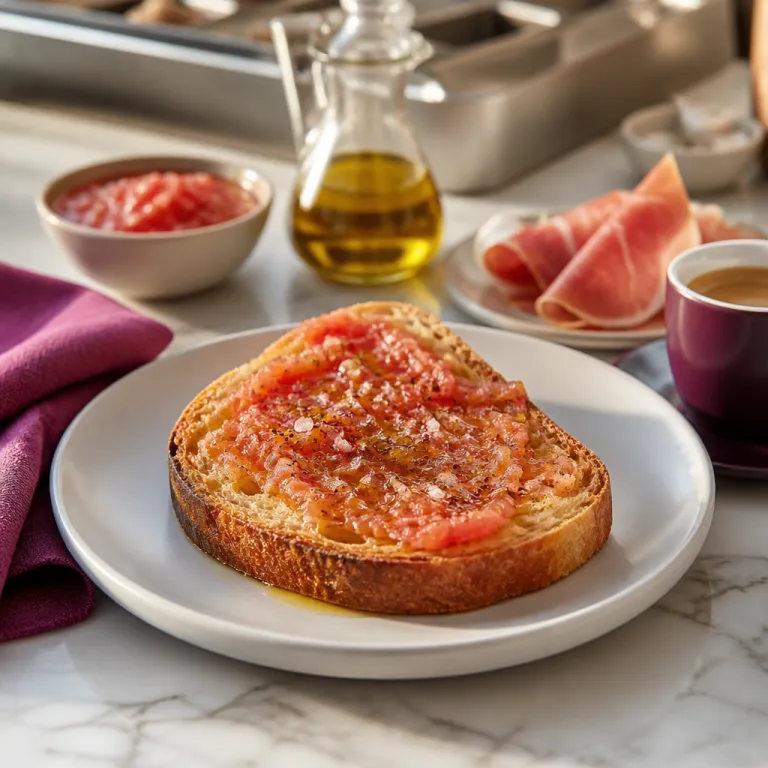
In Seville, a palace conversion that respects traditional andalusian habits will start your day with tostada con aceite y tomate rather than a lonely croissant. The tostada is usually served on dense country bread, rubbed with ripe tomato, then finished with a thread of extra virgin olive oil from nearby Jaén, sometimes crowned with translucent slices of jamón ibérico or other cured ham. When a property in Andalucía treats this simple dish as a signature rather than an afterthought, you are seeing andalusian breakfast traditions and hotel food culture at their best.
Contrast that with a buffet where the only nod to spanish food is a chafing dish of overcooked tortilla patatas and anonymous olive oil in plastic sachets. A serious luxury address in southern Spain will instead present labelled bottles of virgin olive and extra virgin olive oil from specific fincas, often alongside small cards explaining the food culture of the region. The most attentive teams brief their chefs to talk guests through what to eat first, how to pair tostada con aceite with local sherry vinegar, or which red wine from Jerez works later in the day with rabo de toro or pescaito frito.
What an authentic andalusian breakfast looks like in high end hotels
A genuine andalusian breakfast in a luxury hotel begins with rhythm, not excess. You will usually be offered café con leche, a glass of freshly squeezed orange juice, and a choice of breads before you even reach the buffet, which is how andalusian locals expect to start the day. When the first tray of tostadas arrives, look for thick slices of mollete from Antequera, lightly toasted and served with bowls of grated tomato, sea salt, and golden olive oil.
The best properties in Andalusia treat jamón as a headline act, not a garnish. You should see a whole leg of jamón ibérico or other cured ham on a stand, with a cortador slicing to order, rather than pre cut slices drying on a plate under harsh lights. Alongside, there may be ensaladilla rusa in miniature glasses, a nod to wider spanish food traditions, and small portions of tortilla patatas, all part of a broader food andalusia narrative that respects both tapas bars culture and hotel polish.
On the cold table, expect bowls of local olives, wedges of payoyo cheese from Cádiz, and small dishes of olive oil infused with herbs from the hotel garden. Some chefs add a spoonful of porra antequerana in summer, served chilled in ceramic cups, which quietly links breakfast to the wider andalusian cuisine of the region. When you see labels naming Jaén, Cádiz, Granada, or Málaga on the produce, you are looking at andalusian breakfast hotel food culture that is rooted in place rather than in a supplier catalogue.
From market to buffet: how hotels curate andalusian breakfast ingredients
Behind every convincing andalusian breakfast in a premium property, there is usually a chef who shops like a local. Many of the most interesting hotels in Andalucía now work directly with farmers, olive mills, and small bakeries to secure the best olive oil, seasonal fruit, and breads for their morning service. This shift from anonymous supplier lists to market sourced ingredients is reshaping andalusian breakfast hotel food culture across the region.
In Seville, some chefs visit Mercado de Triana or Mercado de la Encarnación several times a week to choose tomatoes for tostada con aceite, oranges for juice, and herbs to perfume virgin olive oil. They bring back crates of produce that will be served within hours, which is a very different proposition from frozen pastries and industrial oils that travel across Spain in trucks. When you taste strawberries from the Huelva coast or figs from the Guadalhorce valley at breakfast, you are tasting food andalusia in its most immediate form.
Recent hospitality surveys from Turespaña and the Junta de Andalucía indicate that roughly seven out of ten mid range and luxury hotels in the region now offer at least one traditional breakfast option, and that shift reflects a broader rise in culinary tourism. One summary of these findings explains with disarming clarity, “What is a traditional Andalusian breakfast? Tostada with tomato, olive oil, and sometimes ham.” The same source notes, “How are hotels adapting traditional breakfasts? Incorporating local dishes into buffet offerings.” and “Why is there a focus on authentic breakfasts in hotels? To enhance guest experience and promote local culture.” These conclusions align with official reports on gastronomic tourism, which both highlight breakfast as a key touchpoint for expressing regional identity.
Churros, chocolate and the quiet codes of andalusian breakfast service
Churros con chocolate sit at the edge of andalusian breakfast hotel food culture, half indulgence, half heritage. In many parts of southern Spain, locals eat them standing at a bar, dipping crisp spirals into thick chocolate before work. Translating that energy into a luxury hotel setting requires more than reheating frozen dough in a back kitchen.
Look for properties that fry churros to order in front of guests, using fresh oil and serving them on warm plates with small jugs of chocolate. When the churros are pale, limp, or stacked under a heat lamp, you are seeing a performance of spanish food rather than the real thing. The best hotels in Andalusia will often limit churros service to specific hours, treating them as a focused dish rather than an all day snack, which keeps the texture right and the food culture intact.
Service details matter just as much as recipes in traditional andalusian hospitality. In Seville or Córdoba, a well trained team will remember whether you prefer café solo or café con leche, whether you like your tostada with jamón or just olive oil, and whether you want your orange juice before or after you eat. That choreography, repeated morning after morning, is where andalusian breakfast hotel food culture quietly outperforms generic international buffets that could be in any region of Spain or beyond.
Reading the region on your plate: provincial nuances and liquid mornings
One of the pleasures of andalusian breakfast hotel food culture is how clearly it reflects the geography of Andalucía. In Cádiz, you may find pescaito frito appearing in miniature at brunch, a playful nod to the city’s seafood tapas bars and its Atlantic light. In Jaén, the focus shifts towards olive groves, with tasting flights of extra virgin olive oil served alongside bread so guests can eat their way through the province’s estates.
Granada adds another layer, where some hotels still honour the local habit of serving a small tapa with your morning coffee, effectively turning breakfast into a soft entry point to tapas culture. In Seville, the emphasis often falls on jamón ibérico, cured ham, and pastries, with chefs sometimes pairing late breakfast plates with a sip of local sherry or even a drop of Pedro Ximénez for guests who treat brunch as a long, slow start to the day. Across southern Spain, a few ambitious properties now offer guided tastings of red wine and fortified wine later in the morning, framing them as an introduction to the wider food culture of the region rather than as simple drinks.
If you are choosing where to stay, pay attention to how hotels talk about their breakfast rather than just their rooms. A property that lists specific olive mills, bakeries, and markets on its menu is usually more serious about andalusian cuisine than one that simply promises “local food” in vague terms. For a deeper sense of how gastronomy, design, and artistic collaborations intersect in high end hospitality, the editorial perspective on how creative partnerships elevate luxury hotels in Andalusia offers useful context for understanding why breakfast has become such a strategic stage.
How to use breakfast to choose the right luxury hotel in Andalusia
For a solo traveller using stay-in-andalusia.com to navigate options, breakfast is a sharp filter. Start by reading menus and photo galleries with the same attention you give room categories, looking for clear references to andalusian breakfast staples like tostada con tomate, jamón ibérico, churros con chocolate, and estate bottled olive oil. When a property in Andalusia names specific producers, villages, or markets, it usually signals a deeper engagement with regional food culture.
Once you arrive, do not be shy about asking questions at the buffet or at the table. Ask where the olive oil comes from, whether the jamón is ibérico or another cured ham, and if the bread is baked in house or sourced from a local obrador, because these details separate the best addresses from the merely competent. You can also request off menu items such as mollete con manteca, porra antequerana in the hotter months, or a simple plate of tortilla patatas with extra virgin olive oil, which many chefs in Andalucía are happy to prepare when asked.
Finally, pay attention to how the team handles timing, refills, and special requests, because service is the quiet backbone of andalusian breakfast hotel food culture. A hotel that keeps the tostadas coming hot, the coffee strong, and the fruit bowls replenished without fuss is usually one that will handle the rest of your stay with similar care. In a region of Spain where food andalusia traditions run deep, the first meal of the day is not just about what you eat, but about how the entire house chooses to show up for you.
FAQ
What is typically included in an authentic andalusian breakfast in hotels?
An authentic andalusian breakfast in hotels usually includes tostada con aceite y tomate, often with jamón ibérico or other cured ham, plus café con leche and freshly squeezed orange juice. Many luxury properties in Andalusia also add local cheeses, olives, seasonal fruit, and small portions of tortilla patatas. The most engaged hotels highlight specific extra virgin olive oil producers and breads from nearby bakeries to anchor the meal in regional andalusian cuisine.
How can I tell if my hotel breakfast in Andalusia is truly local or just themed?
A genuinely local breakfast will name producers, villages, and markets on the menu and will use visible whole ingredients such as a leg of jamón ibérico, labelled bottles of virgin olive oil, and breads from known panaderías. Staff should be able to explain where the olive oil, fruit, and cured ham come from and how they fit into food culture in southern Spain. If everything feels anonymous and could be served in any country, the andalusian breakfast is probably more decorative than authentic.
Are churros con chocolate a standard part of hotel breakfasts in Andalusia?
Churros con chocolate are not guaranteed in every hotel, but many higher end properties in Andalucía include them on weekends or as part of an extended brunch. The best versions are fried to order in fresh oil and served immediately with thick hot chocolate, echoing the experience of traditional churrerías. When churros are pre cooked, pale, or held under heat lamps, they lose the crisp texture that defines this classic spanish food ritual.
Do luxury hotels in Andalusia cater to dietary restrictions at breakfast while staying authentic?
Many luxury hotels in Andalusia now balance authenticity with flexibility by offering gluten free breads, plant based milks, and lighter options alongside traditional andalusian dishes. You can often request tostada with olive oil and tomato without jamón, or ask for extra fruit and salads instead of pastries or cured ham. The most thoughtful properties adapt recipes without losing the core flavours of andalusian breakfast hotel food culture, for example by using high quality extra virgin olive oil and fresh vegetables in place of heavier spreads.
Is it acceptable to ask for off menu andalusian dishes at hotel breakfast?
In many premium hotels across the region, it is entirely acceptable to ask for off menu andalusian dishes, especially if you do so politely and at quieter times. Items such as mollete con manteca, porra antequerana in summer, or a simple plate of tortilla patatas with extra virgin olive oil are often within the kitchen’s repertoire even if they are not listed. Asking about these dishes can open a conversation with chefs and staff, giving you deeper insight into local food culture and sometimes leading to personalised tastings of olive oil, sherry, or regional pastries.