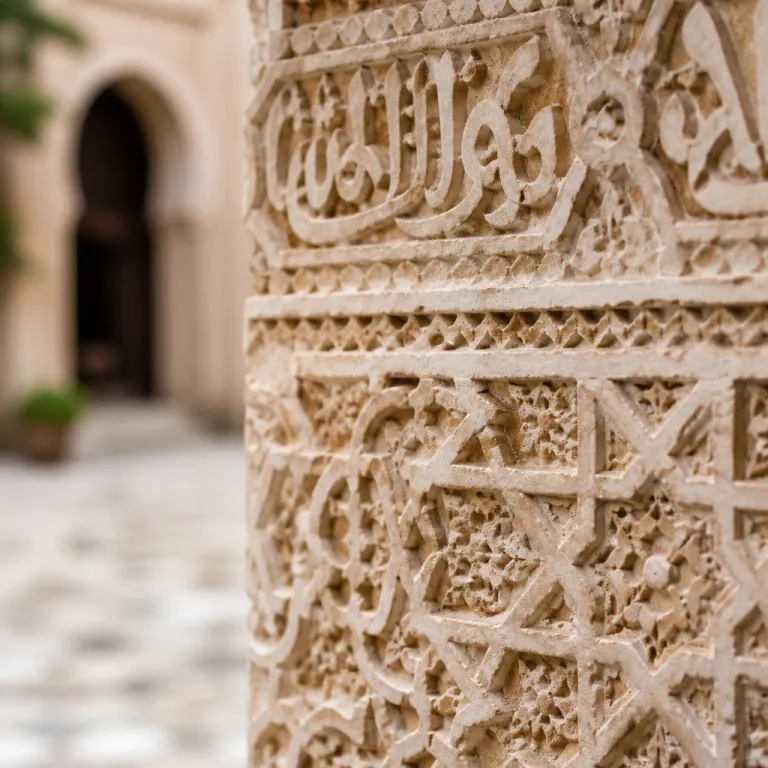
Designing an islamic art andalusia beyond alhambra itinerary
Think of this Islamic art journey through Andalusia as a spine running across southern Spain. It connects Seville, Córdoba, Granada, Jaén and Málaga into one coherent tour where Islamic architecture, refined hospitality and slow travel set the rhythm. You move city by city, but the story of Islamic Spain and its layered heritage follows you everywhere.
The focus is not a single visit to the Alhambra in Granada, but a week that reveals how Islamic culture shaped the entire Iberian Peninsula. You will trace the arc from the Almoravids and Almohads in Seville to the Nasrid dynasty in the kingdom of Granada, then to the Catholic Monarchs who reworked palaces, mosques and walls into new royal symbols. Along the way, you stay in characterful luxury properties where rooms open onto courtyards, gardens and original layout details that echo the region’s Islamic architecture.
This route suits independent travelers who want control over their time, but appreciate expert structure. Public transportation between Córdoba and Granada, Seville and Málaga, or even Jaén is reliable, and trains and buses are efficient. As one official answer from local tourism authorities puts it, “Spring and autumn offer pleasant weather.”
Plan seven days as a minimum for this Islamic heritage circuit in Andalusia, with the option to extend nights in Granada or Seville. The core framework mirrors a curated cultural tour: arrive in Seville, continue to Córdoba, then on to Granada before looping through Jaén and Málaga. Wear comfortable shoes, check opening hours of sites and always book tickets in advance for every major palace or great mosque visit.
Luxury here is not only about private transfers and high thread counts, but about proximity and perspective. You stay within walking distance of the Real Alcázar in Seville, the Mosque–Cathedral of Córdoba and the Alhambra Granada complex, so sunrise and late evening walks become part of your daily ritual. Local guides, augmented reality apps and carefully chosen hotels turn Islamic heritage into a lived, tactile experience rather than a checklist.
Seville and Córdoba: royal courts, great mosque and riverside palaces
Begin your southern Spain Islamic art itinerary in Seville, where the Real Alcázar compresses centuries of Islamic architecture and later Christian interventions into one dense complex. The palace started as an Almoravid and Almohad fortress, then evolved into a royal residence where Mudéjar artisans translated Islamic culture into a new visual language for the Catholic Monarchs. Its patios, carved stucco and coffered ceilings feel closer to the Nasrid palaces of Granada than to any European castle.
Stay in a luxury property inside the historic centre, ideally within a ten minute walk of the Alcázar walls and the Giralda tower. Many high end hotels occupy former palaces, with rooms arranged around tiled courtyards and gardens that reinterpret the original layout of Andalusian houses. Choose a suite with a private terrace if possible, so you can watch the city shift from afternoon heat to blue hour before heading out to a tablao where the dancer’s heel hits the floor and the room holds its breath.
From Seville, travel Spain by high speed train to Córdoba in under an hour, then settle into a refined hotel in the Judería quarter. Here, the Mosque of Córdoba — often called the great mosque — is the anchor of any serious tour of Islamic Spain. Its forest of columns, double arches and layered history from emirate to caliphate to cathedral encapsulates the story of andalusia islamic power on the Iberian Peninsula.
Plan at least two visits to the mosque of Córdoba: one during the day to appreciate the architecture, and another at night for the atmospheric sound and light experience. Are guided tours available in English? Yes, most sites offer English tours, and a specialist guide can unpack details such as the mihrab mosaics or the later chapels added by the Catholic Monarchs. For a deeper dive into Islamic culture, add an excursion to Medina Azahara, the ruined palatial city west of Córdoba that once rivalled any royal complex in Europe.
Evenings in both cities reward unhurried walks along the Guadalquivir river, where the Calahorra Tower in Córdoba anchors the southern bridgehead. One Córdoba guide likes to point out how the tower’s silhouette at dusk mirrors the arches inside the mosque, a small detail that helps you read the city as a single composition. This balance of daytime heritage visits and night time city life keeps the itinerary rich but never rushed.
Granada: alhambra, albaicín and the legacy of the nasrid dynasty
No focused tour of Islamic art in Andalusia can ignore Granada, but the goal here is to go beyond a single rushed visit. The Alhambra Granada complex, with its Nasrid palaces, the Alcazaba fortress and the Generalife gardens, deserves at least a full day and ideally two half days. You will understand why around 2 500 000 people visit the Alhambra annually, according to data published by the Patronato de la Alhambra y Generalife, yet still find quiet corners if you plan your time well.
Book a luxury hotel either on the hill near the Alhambra walls or in the Albaicín, the old Islamic quarter that faces the palace across the Darro valley. Properties in these areas often occupy restored palaces, with rooms that frame direct views of the Alhambra Generalife ensemble and the Sierra Nevada beyond. A private terrace or small garden here transforms sunrise and sunset into intimate theatre, especially when the palace glows amber and the call of swallows replaces the daytime crowds.
When you visit the Alhambra, secure timed tickets well in advance and consider a specialist guide for the Nasrid palace sequence. A good guide will explain how the Nasrid dynasty, ruling the kingdom of Granada as the last major Islamic power in Western Europe, used water, calligraphy and geometry to project royal authority. They will also point out how later interventions by the Catholic Monarchs, including the insertion of the Renaissance palace of Charles V, altered the original layout without erasing the Islamic architecture beneath.
Do not limit yourself to the main palaces; walk the Alhambra Albaicín axis slowly, using the forested paths that connect the complex to the lower city. Washington Irving once stayed inside the Alhambra and wrote about its rooms and legends, and his presence still lingers in plaques and place names. Today, travelers can echo that literary mood by choosing hotels that offer quiet reading lounges, shaded gardens and attentive but discreet service between their heritage site visits.
Granada also rewards self exploration beyond any guided tour, especially in the Albaicín where whitewashed houses, hidden patios and small mosques preserve a living sense of andalusia islamic identity. From the Mirador de San Nicolás, the view back to the Alhambra Granada complex at dusk is one of the defining images of travel in Spain. For those planning a shorter stay or a return trip, this curated guide to planning a June escape in Andalusia offers a useful template for compressing highlights without losing depth.
Jaén and Málaga: arab baths, alcazabas and coastal perspectives
To push your islamic art andalusia beyond alhambra itinerary further, head north east to Jaén, a city that rarely appears on first time routes. Here you will find some of the largest and best preserved Arab baths in Europe, hidden beneath a Renaissance palace that now houses a museum. The contrast between Islamic vaults and later Christian architecture makes Jaén an ideal place to reflect on how heritage layers accumulate over time.
Stay in a refined hotel near the historic centre, where rooms overlook olive clad hills and the castle that crowns the city. This is a quieter stop in your tour, perfect for a slower pace, long lunches and private spa sessions that echo the hammam tradition without trying to replicate it. Local guides in Jaén are used to cultural travelers and can arrange focused walks that connect the baths, cathedral and surviving Islamic walls into a coherent narrative.
From Jaén, continue to Málaga, where the Alcazaba and Gibralfaro castle rise above the port and the contemporary city. The Alcazaba, built and expanded under the Almoravids and Almohads, shows how Islamic military architecture adapted to coastal topography on the Iberian Peninsula. Its sequence of gates, courtyards and gardens feels more intimate than the Alhambra, yet the views over the bay and the city’s palaces are no less dramatic.
Málaga has become a serious luxury hotel city, with properties that understand travelers who want both beach access and cultural depth. Choose a hotel within walking distance of the Alcazaba so you can visit early, then retreat to a rooftop pool or shaded terrace when the sun peaks. For a curated overview of high end options across the coast and inland, use this detailed guide to refined luxury stays in Málaga and wider Andalusia.
Even in Málaga, where contemporary museums and restaurants dominate the headlines, Islamic culture remains visible in street patterns, place names and fragments of walls. A well structured Islamic art route through Andalusia treats this coastal city not as an afterthought, but as a final lens on how Islamic Spain transitioned into a modern Mediterranean hub. Travel Spain this way and you end your week with sea air, strong architectural memories and a clearer sense of how andalusia islamic heritage still shapes daily life.
Choosing luxury stays that frame islamic architecture and heritage
Where you sleep on this islamic art andalusia beyond alhambra itinerary matters as much as which sites you visit. The most rewarding properties sit inside historic quarters, often in former palaces or manor houses whose original layout has been carefully respected. Rooms tend to cluster around inner courtyards, with water features, orange trees and tiled walls that echo the gardens of the Alhambra Generalife or the patios of the Real Alcázar.
In Seville, look for hotels within a short walk of the Alcázar and the cathedral, where you can step from a quiet lobby into streets that still follow Islamic era alignments. In Córdoba, prioritize stays inside the Judería, so the mosque of Córdoba and the Calahorra Tower are part of your daily walks rather than isolated visits. Granada rewards those who choose either the Alhambra hill or the Albaicín, where private terraces and small gardens frame direct views of the Nasrid palaces.
Luxury in this context means more than marble bathrooms and extensive room service menus. It is about staff who understand why you might want a pre dawn taxi to visit the Alhambra before the crowds, or a late check out after an evening tour of the great mosque in Córdoba. It is about concierges who can recommend local guides specialising in Islamic architecture, or secure timed entries that align with your preferred pace.
When comparing options, consider how each property relates to the narrative of Islamic Spain you are building. A palace hotel with preserved Mudéjar ceilings or carved stucco can extend your experience of Nasrid design beyond official heritage sites. A contemporary property with clean lines but strong views of historic walls and towers might suit travelers who prefer contrast between day time immersion and night time retreat.
Solo travelers, in particular, benefit from hotels that balance discretion with attentive security and clear information. Ask about guided walks to nearby sites, small group tours focused on Islamic culture and any partnerships with local cultural institutions. This is where the right hotel becomes an active partner in your tour, not just a place to sleep between visits.
Guides, logistics and the best time to travel Spain for this route
A successful islamic art andalusia beyond alhambra itinerary depends on logistics that feel effortless, even when the route is ambitious. The backbone is the rail network, especially the AVE and other fast trains linking Seville, Córdoba and Granada in under three hours total. For example, Seville–Santa Justa to Córdoba services typically take about 45 minutes, and Córdoba to Granada averages around 1 hour 30 minutes, according to recent Renfe timetables; always check current schedules, as journey times and frequencies can change seasonally.
For key sites such as the Alhambra, the mosque of Córdoba and the Real Alcázar, a specialist guide elevates the experience. Are guided tours available in English? Yes, most sites offer English tours, and local guides bring context about the Almoravids and Almohads, the Nasrid dynasty and the Catholic Monarchs that no audio guide can match. They also help you read inscriptions, understand water engineering and see how Islamic architecture influenced later Christian palaces.
Balance guided time with self exploration so the week never feels over programmed. Use maps, audio guides and even augmented reality apps for historical visualisation when you want to move at your own pace. The official cultural tour framework for the region suggests methods such as guided tours, self exploration and cultural immersion, and that mix works especially well for solo travelers who value flexibility.
Seasonality matters more than many visitors realise. The best time to visit Andalusia for this kind of heritage focused tour is spring and autumn, when temperatures are comfortable and light is soft enough to appreciate carved stone and stucco. “Spring and autumn offer pleasant weather,” as local tourism information confirms, and those months also mean fewer crowds at peak hours.
Finally, remember that this is not just a sequence of monuments, but a living corridor of andalusia islamic memory. Take time for cafés in old squares, for reading Washington Irving in a quiet hotel lounge, for watching how locals use spaces that once belonged to emirs and kings. That is how an Islamic art itinerary in Andalusia becomes less about ticking off palaces and more about understanding how heritage still shapes everyday life in southern Spain.
Key figures for an islamic art itinerary in Andalusia
- Around 2 500 000 people visit the Alhambra in Granada each year, according to official statistics published by the Patronato de la Alhambra y Generalife, which makes advance booking and timed entry essential for a comfortable experience.
- Islamic rule in Andalusia lasted approximately 781 years based on historical records, from the early 8th century until the fall of Granada in 1492, a duration that explains the depth of Islamic architecture and culture visible across the region today.
- A well structured cultural tour of Andalusia’s Islamic heritage typically spans 7 days, aligning with the recommended week long itinerary that links Seville, Córdoba, Granada, Jaén and Málaga.
- High speed trains between Seville and Córdoba cover roughly 140 kilometres in about 45 minutes, according to current AVE schedules, making it realistic to base yourself in one city while day tripping to the other for specific visits.
- The core Islamic sites in this itinerary — the Real Alcázar, the mosque of Córdoba and the Alhambra Generalife complex — can each require 3 to 5 hours on site, so planning one major monument per half day keeps the schedule humane.
FAQ about planning an islamic art andalusia beyond alhambra itinerary
What is the best time to visit Andalusia for this itinerary ?
Spring and autumn are ideal for an islamic art andalusia beyond alhambra itinerary, because temperatures are mild and light conditions flatter architecture. Summer heat can make mid day visits to sites such as the Alhambra or the Alcazaba in Málaga uncomfortable. Winter is quieter and atmospheric, but some gardens feel less lush.
Are guided tours available in English at major Islamic heritage sites ?
Yes, guided tours are widely available in English at the Alhambra, the mosque of Córdoba, the Real Alcázar and most other key monuments. “Are guided tours available in English? Yes, most sites offer English tours.” Booking a specialist guide in advance is recommended for peak dates, especially if you want a private or small group experience.
Is public transportation reliable between Seville, Córdoba and Granada ?
Public transportation between these cities is efficient, with frequent high speed and regional trains linking Seville and Córdoba, and regular rail or bus connections onward to Granada. “Is public transportation reliable between cities? Yes, trains and buses are efficient.” For Jaén and some smaller destinations, buses are usually the most practical option.
How many days do I need for an islamic art focused tour of Andalusia ?
A minimum of seven days allows you to follow a coherent islamic art andalusia beyond alhambra itinerary that includes Seville, Córdoba, Granada, Jaén and Málaga. This duration matches the structure of many curated cultural tours and leaves space for both guided visits and self exploration. With ten days, you can add extra nights in Granada or Seville for deeper immersion.
Do I need to book tickets in advance for the Alhambra and other sites ?
Advance booking is essential for the Alhambra, strongly recommended for the mosque of Córdoba’s special night visits and advisable for the Real Alcázar in Seville during busy periods. Wear comfortable shoes, check opening hours of sites and book tickets in advance to avoid queues and sold out time slots. This approach keeps your itinerary smooth and protects time for unplanned walks and local experiences.