Where to eat in Málaga local restaurants when you want to avoid Calle Larios
Knowing where to eat in Málaga local restaurants starts with leaving Calle Larios behind. The most rewarding food in this city is served in streets where menus are in Spanish, prices are written in chalk, and the soundtrack is clinking cañas rather than rolling suitcases. For a luxury traveler, that usually means pairing a premium hotel base in central Málaga with short walks into working neighborhoods where the best traditional tapas and seafood still feel refreshingly local.
Think of the historic centro as your compass rather than your cage, using landmarks like Plaza de la Merced and the cathedral to orient your own quiet route toward good tapas bars. Around centro Málaga and the wider distrito Centro, you will find a dense grid of tabernas where a glass of wine and a plate of jamón ibérico rarely cost more than 5 euros, yet the experience feels richer than many tasting menus. This is where to eat in Málaga local restaurants if you want a great drink in a standing room only bar before returning to a calm luxury suite.
For guests booking premium stays, the question is not only where to eat in Málaga local restaurants, but how to weave those meals into a wider Andalusian trip. Many high end properties in Málaga Spain now curate private tapeo routes, leading from one tapas bar to another, so you can taste tuna belly, seafood stews, and traditional tapas without worrying about logistics. Use your hotel concierge as a partner, asking them to map a trip Málaga evening that starts in central Málaga, continues through distrito Centro, and ends with ice cream on the port promenade before you walk back along the waterfront.
Soho and distrito Centro: creative dining just beyond the luxury lobby
Cross the Alameda from Larios and you enter Soho, a compact barrio that has quietly become one of the best answers to where to eat in Málaga local restaurants. Here, street art and galleries sit beside small dining rooms where chef driven food is served with a relaxed, urban edge that feels closer to Lisbon than to the Costa del Sol clichés. For a solo traveler staying in a luxury hotel nearby, this area offers the perfect balance between creative cuisine and the safety of being located within a 10 minute walk of central Málaga.
In distrito Centro itself, the mood shifts from edgy to classic, and this is where names often recommended by Málaga locals anchor any serious trip Málaga. El Pimpi, with its barrel lined corridors and framed photos, remains highly recommended for a first glass of Málaga wine and a plate of jamón ibérico before you move on. Antigua Casa de Guardia, the oldest bar in Málaga, serving wine from the barrel, shows how the city drinks when it forgets the cruise ships, while Bar Orellana and La Tranca keep the focus on anchovies, traditional tapas, and a standing room only crowd that rewards those who arrive early.
Casa Lola, mentioned often when people ask about the best local tapas bars, is a useful reference point for understanding how centro Málaga eats at peak time. At Casa Lola, tapas are served fast, the bar is loud, and the food is simple but delicious, which makes it ideal for a quick lunch between museum visits or a late night drink after a flamenco show. When you compare Málaga Spain with nearby Jerez, currently profiled as Spain’s capital of gastronomy in a recent feature on Jerez’s culinary scene, you notice that Málaga leans more toward seafood and fresh produce, while Jerez leans toward sherry and slow cooked dishes.
El Perchel and Mercado de Atarazanas: how to eat like a local at the market
Walk west from the old town into El Perchel and you reach Mercado de Atarazanas, the city’s beating heart and the most instructive place to understand where to eat in Málaga local restaurants. The market is located just beyond the tourist flow, yet it anchors the daily food culture that supplies many of the best tapas bars in distrito Centro and Soho. For luxury hotel guests, a guided morning here can be as enriching as any museum visit, especially when paired with a chef led lunch that transforms market seafood into a plated tasting.
Inside the market, stalls overflow with tuna belly, glistening prawns, and seasonal fish that underline why Málaga Spain is more seafood focused than Seville or Granada. At El Yerno, a bar tucked among the fishmongers, seafood is served at high counters, and locals stand shoulder to shoulder over plates of fried anchovies and grilled cuttlefish. Prices remain modest, with an average tapa around 3 euros and a beer around 2 euros, according to recent local surveys (2023), which means you can enjoy a generous lunch for less than the cost of a single cocktail in many luxury hotel bars.
To eat here properly, time your visit for late morning, when the market is lively but not yet crowded, and let the stallholders guide your choices of food and drink. Order whatever looks best that day, ask for a good local wine by the glass, and finish with a small ice cream from a nearby heladería as you walk back toward central Málaga. If you are planning a wider Andalusian itinerary that mixes active days with indulgent meals, pair this market experience with ideas from a guide to adventure activities and luxury hotel booking in Andalusia, then let your concierge secure a table at a nearby tapas bar for the evening.
Pedregalejo and Málaga Este: beachfront seafood and sunset tapeo
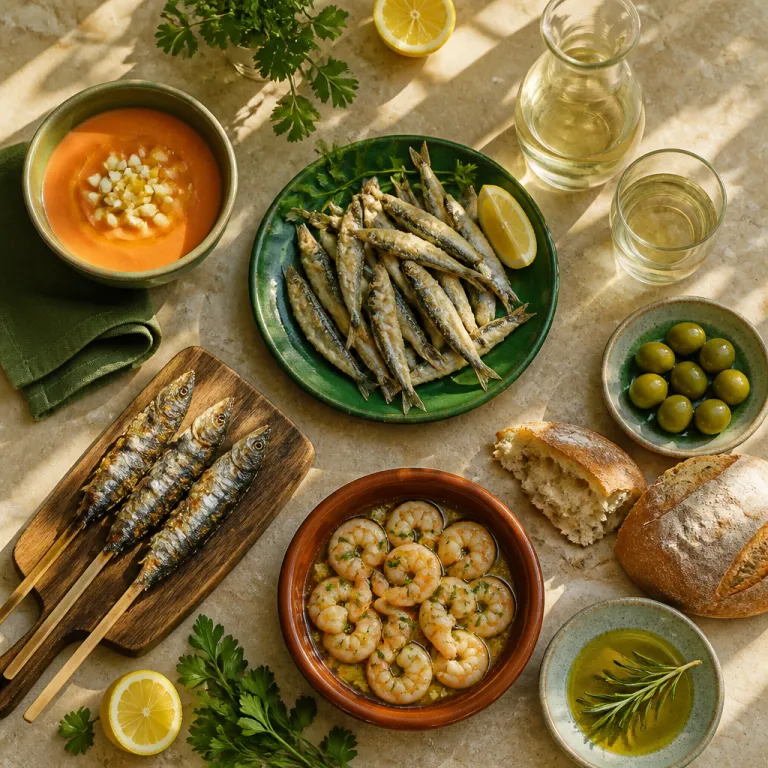
Ask any Malagueño where to eat in Málaga local restaurants for seafood, and they will send you east to Pedregalejo and El Palo. This stretch of Málaga Este, easily reached by bus from centro Málaga, is lined with chiringuitos where espetos of sardines are grilled over sand filled boats, the smoke drifting across the promenade at lunch and dinner time. For a luxury traveler, this is the moment to trade starched linens for sea breeze, knowing you can return to a refined dining room later in the evening.
In this part of the city, the rhythm of the day is simple, and it suits a relaxed trip Málaga perfectly. Start with a late lunch in Pedregalejo, choosing a table located as close to the water as possible, and order a mix of seafood plates, from tuna belly to grilled prawns, all drizzled with local olive oil. The food is rarely complicated, but when it is served this fresh, with a cold drink in hand and the sound of waves in the background, it feels like one of the best dining experiences in Málaga Spain.
As the sun drops, walk the promenade toward Málaga Este proper, stopping at small bars for a casual tapeo that contrasts with the more formal tapas bars in distrito Centro. Here, traditional tapas share space with simple salads and fried fish, and the atmosphere is more family oriented than in central Málaga, which can be reassuring for solo travelers who prefer a quieter scene. One local bar owner summed it up simply: “People come here to eat like we do on Sundays, slowly, with the sea right there.” When you are ready to return to your hotel, a short taxi ride brings you back to the city, where you might end the night on one of the best rooftop hotel terraces in Andalusia, sipping wine while the lights of Málaga Este shimmer along the bay.
Evening tapas routes: from Plaza de la Merced to hidden tabernas
For many visitors, the real answer to where to eat in Málaga local restaurants comes after dark, when the city’s tapas bars hum and the streets around Plaza de la Merced fill with people. This square, located at the northern edge of distrito Centro, is an ideal starting point for a self guided tapeo that moves away from the cruise ship crowds and into a network of side streets. Luxury travelers can ask their concierge to reserve the first stop, then wander between addresses at their own pace, tasting a different style of food and drink at each bar.
From Plaza de la Merced, walk toward Calle Carretería and you will pass La Tranca, where vermut is served on tap and the soundtrack is classic Spanish vinyl. Nearby, Las Merchanas offers a more traditional dining room, decorated with Semana Santa memorabilia, where hearty Andalusian dishes and traditional tapas share the menu. This is a good area to compare how different tapas bars treat staples like jamón ibérico, tuna belly, and croquetas, and to understand why some places are quietly considered the best by locals while others remain merely adequate.
Further south, closer to central Málaga, you will find names that have become shorthand for quality among food focused travelers, such as Taberna Uvedoble and Tapeo Cervantes. At Taberna Uvedoble, plates are often more contemporary, while at Tapeo Cervantes the mood is intimate, making both highly recommended for a slightly more refined evening that still feels rooted in Málaga Spain rather than in generic gastro trends. Rotate between a standing tapas bar, a seated casa de comidas, and a final bar for a last drink, and you will have built your own tasting menu across the city without ever opening a hotel restaurant menu.
From 5 euro tapas crawls to tasting menus: planning your luxury food budget
Understanding where to eat in Málaga local restaurants also means understanding how the city prices pleasure. One of Málaga’s quiet luxuries is that you can eat very good food at almost any budget, moving from a 5 euro tapas crawl in distrito Centro to an 80 euro tasting menu in a Michelin recognized dining room without leaving the same compact city grid. For travelers booking premium hotels, this flexibility allows you to allocate more of your budget to experiences, from private market tours to curated wine tastings, while still eating well on casual days.
Average prices remain friendly, with a tapa around 3 euros and a beer around 2 euros, which makes a generous lunch in central Málaga surprisingly affordable compared with many other European coastal cities (local price comparisons, 2023). This affordability is one reason why El Pimpi, Antigua Casa de Guardia, and Bar Orellana are highly recommended. When you step up to more ambitious kitchens, such as the new wave of restaurants in Soho or destination addresses like Palodú in Málaga Este, expect to pay more, but also expect a level of technique and service that aligns with the standards of luxury hotels across Andalusia.
To make the most of your trip Málaga, alternate casual and elevated meals, using lunch for exploratory tapeo and dinner for longer, more structured experiences. Let your hotel team book the harder to secure tables, especially on weekends, and ask them to prioritize places located within walking distance so you can enjoy wine without worrying about transport. Compared with Seville and Granada, Málaga’s food culture leans lighter, with a stronger emphasis on seafood, olive oil, and grilled dishes, which means you can indulge over several days without feeling weighed down as you move between city stays and countryside retreats.
Key figures for eating well in Málaga beyond Calle Larios
- Average price of a tapa in Málaga is around 3 euros, which allows travelers to sample multiple dishes for the cost of a single main course in many Northern European cities (Spain on Foot, local survey, 2023).
- Average price of a beer in Málaga is around 2 euros, making a casual drink at a traditional bar significantly cheaper than in most major United States coastal cities (Spain on Foot, comparative pricing, 2023).
- A typical tapas focused lunch in Mercado de Atarazanas, including three plates of seafood and two drinks, usually stays under 15 euros per person, which is roughly half the cost of a similar quality seafood meal in many Mediterranean resort towns (Spain on Foot, market observations, 2023).
- Bus line 11 connects central Málaga with El Palo and Pedregalejo in about 20 to 25 minutes, giving easy access to Málaga Este beachfront seafood without the need for a rental car (EMT Málaga timetable, 2023).
- Walking distances between key dining areas such as distrito Centro, Soho, and El Perchel rarely exceed 1.5 km, allowing most visitors to build an entire evening of tapeo on foot from their central hotel (city map measurements, 2023).
FAQ about eating in Málaga beyond the Larios Street crowds
What are the best local restaurants in Málaga away from Calle Larios ?
Some of the best local restaurants and bars away from Calle Larios include El Pimpi for classic Andalusian plates, Antigua Casa de Guardia for barrel aged Málaga wine, and Bar Orellana for anchovies and traditional tapas. In the evening, Taberna Uvedoble and Tapeo Cervantes near Plaza de la Merced are excellent for a more intimate dinner. Along the coast, chiringuitos in Pedregalejo and El Palo are essential for beachfront seafood.
How can I avoid tourist traps when choosing where to eat ?
To avoid tourist traps, focus on neighborhoods like El Perchel, Pedregalejo, and Málaga Este, and look for Spanish only or Spanish first menus. Bars where food is served at the counter and locals stand while eating are usually a good sign. Advice from local guides to “look for Spanish-only menus for authenticity” remains a reliable rule of thumb.
Is dining in Málaga expensive for luxury travelers ?
Dining in Málaga is generally affordable, even for travelers staying in luxury hotels. With tapas averaging around 3 euros and beer around 2 euros, you can eat well without overspending, then allocate more budget to special meals such as tasting menus or private chef experiences. This balance makes Málaga an attractive base for food focused trips across Andalusia.
How should I plan a food focused day in Málaga ?
A well structured food day might start with a morning visit to Mercado de Atarazanas in El Perchel, followed by a seafood lunch in Pedregalejo or El Palo, then an evening tapas route through distrito Centro and Plaza de la Merced. Walking or using public transport keeps logistics simple and lets you enjoy wine with your meals. Many travelers follow local recommendations to “visit Mercado de Atarazanas in the morning” and “take Line 11 bus to El Palo” as a reliable template.
What makes Málaga’s food culture different from Seville or Granada ?
Málaga’s coastal location shapes a food culture that is more focused on seafood, grilled fish, and fresh produce than the heavier pork and stew based dishes often associated with Seville or Granada. Espetos of sardines on Málaga Este beaches, tuna belly at market bars, and light tapas built around olive oil and vegetables define many meals. This lighter profile suits travelers who want to eat generously while still feeling comfortable exploring the city on foot in the afternoon heat.