Discover the best area to stay in Seville Old Town, with a comparison of Santa Cruz, the shopping district and riverside streets, plus recommended hotels, walking times, taxi tips and booking advice for first-time visitors.
Why Seville Old Town is the area to stay
Step out of your hotel at night and you are already in a maze of orange-scented lanes, stone underfoot still warm from the day. This is the Old Town of Seville, a compact historic centre where almost everything that matters lies within a 10 to 15 minutes walk. The cathedral’s Giralda tower, the Real Alcázar, and the whitewashed streets of Santa Cruz sit so close together that you navigate more by church spire and plaza than by map.
For a first stay in Seville Spain, this central area is the most coherent choice. You trade car access and wide avenues for intimacy, history, and the ability to walk everywhere. The Jewish quarter around barrio Santa Cruz feels almost theatrical in the evening, while the streets north towards Plaza del Duque and Calle Trajano bring you into a livelier shopping area with a different rhythm. Choosing a hotel in Seville Old Town is essentially choosing which of these micro-neighbourhoods you want to wake up in.
Not every traveler will love the same corner. Those who want quiet courtyards and tiled patios may prefer the denser lanes near the Real Alcázar, where taxis stop at the edge and you continue on foot. Others will value being closer to the commercial district, where luggage rolls more easily and the streets open out. The Old Town offers both, but you need to decide which atmosphere suits you before you book.
- Santa Cruz & Judería: maximum historic charm, pedestrian lanes, 2–5 minutes walk to the cathedral and Real Alcázar.
- Central shopping grid (Plaza del Duque / Calle Trajano): wider streets, department stores, easier taxi access, around 10–15 minutes walk to the main monuments.
- Western edge towards the river: quieter, more residential feel, roughly 12–18 minutes walk to the cathedral, easy stroll across the bridge to Triana.
Key districts within the Old Town
Santa Cruz is the postcard image: narrow alleys, geraniums on balconies, and tiny plazas where one café table seems to lean into the next. This former Jewish quarter, often simply called the barrio Santa Cruz, is ideal if you want to be a few minutes walk from the cathedral and the Real Alcázar. Expect a high concentration of small hotels here, some with hidden patios and rooftop terraces looking over the tiled roofs of Sevilla.
Move north and the feel changes around Plaza del Duque and Calle Trajano. Here the streets widen, façades become more stately, and you are firmly in the shopping area of the Old Town. This district suits travelers who like to step out of their hotel and immediately find boutiques, department stores, and cafés that stay open later. It is still the historic centre, but with a more urban, less cloistered energy.
Between these two poles, the lanes around Calle Almirante Apodaca and the streets leading towards the river form a quieter middle ground. You are close enough to walk to Santa Cruz in about 10 minutes, yet far enough to escape the densest crowds at peak times. For many, this compromise — not too high, not too low in intensity — is the sweet spot when choosing among the many hotels Seville offers in its central area.
- Pros Santa Cruz: storybook streets, tapas bars on your doorstep, 2–4 minutes walk to the cathedral and Real Alcázar, strong sense of place.
- Pros northern Old Town: better for shopping, more regular street grid, taxi ranks at Plaza del Duque and Plaza de la Encarnación, around 12–15 minutes walk to the cathedral.
- Pros western edge: softer nightlife, easy access to the riverfront and Triana, typically calmer after midnight while still within the historic core.
What to expect from hotels in Seville Old Town
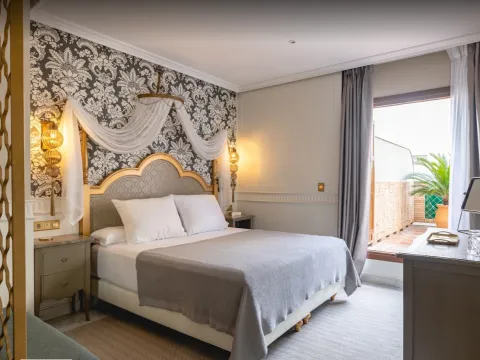
Behind many Old Town doors, you will find former palaces and townhouses reimagined as intimate, design-forward properties. Think high ceilings, internal courtyards, and a mix of original stone or wood with contemporary lighting and art. Rooms can be idiosyncratic in shape because of the historic fabric, which is part of the charm but also something to check carefully when you book if you value a particular layout.
Several addresses in the historic centre offer rooftop pools or small plunge pools, often paired with a bar and views over tiled roofs and church towers. These spaces are not resort-style, but they are precious in the Seville heat, especially from late spring to early autumn. When comparing options, look closely at whether the pool is genuinely usable for a swim or more of a decorative feature for a quick cool-down.
Star ratings in this area range from discreet three star properties to full five star hotel experiences with extensive services. A luxury hotel in the Old Town will typically offer more generous common areas, refined breakfast rooms, and a higher level of staffing, while smaller houses focus on atmosphere and location. The trade-off is straightforward: more facilities and polish versus a more intimate, residential feel.
- Hotel Alfonso XIII, a Luxury Collection Hotel (5★): landmark palace by Puerta de Jerez, typically from around €350–€600 per night, known for grand Moorish-inspired architecture and a large courtyard pool.
- Hotel Casa 1800 Sevilla (4★): boutique mansion in Santa Cruz, often from roughly €180–€320, prized for its rooftop terrace with close-up Giralda views.
- EME Catedral Mercer Hotel (5★): contemporary luxury beside the cathedral, usually from about €250–€450, with a fashionable rooftop bar facing the Giralda.
- Hotel Rey Alfonso X (4★): comfortable property on the edge of Santa Cruz, generally from around €140–€260, balancing easy taxi access with short walks to the monuments.
- Hotel Gravina 51 (4★): restored house near the river and Plaza de Armas, often from roughly €150–€280, appreciated for its quiet patios and attentive service.
- Hotel Inglaterra (4★): classic hotel on Plaza Nueva, typically from about €150–€270, offering spacious rooms and a central position between the cathedral and shopping streets.
- Hotel Doña María (4★): traditional option opposite the cathedral, usually from around €160–€280, with a rooftop pool and bar overlooking the Giralda.
- Hotel Las Casas de la Judería (4★): atmospheric complex in the Judería, often from roughly €140–€260, famous for its labyrinth of courtyards and historic character.
Staying in Santa Cruz places you in the densest historic fabric of Seville Spain. You will likely be within a few minutes walk of the Real Alcázar and the cathedral, which is ideal if your days revolve around culture and slow wandering. The streets here are often pedestrian, which keeps the noise of traffic low but can make late-night arrivals with luggage slightly more complex.
North of the cathedral, around Plaza del Duque and the adjoining streets, the mood shifts. This is where the Old Town opens into a commercial grid, with fashion stores, cafés, and more straightforward access for taxis. If you plan to combine sightseeing with serious shopping, or if you prefer a clearer street layout to orient yourself without constantly checking a map, this area Seville side of the centre works particularly well.
On the western edge of the Old Town, closer to the river, you find a quieter, more residential feel while still being within walking distance of major sights. From here, crossing to Triana for dinner is an easy evening walk over the bridge, yet you still sleep in the historic core. Choosing between these zones is less about better or worse and more about deciding whether you want cloistered charm, commercial buzz, or a softer in-between.
- Typical walking times: Santa Cruz to Plaza Nueva about 8–10 minutes; Plaza del Duque to the cathedral roughly 12–15 minutes; western edge near the river to the Real Alcázar around 15–18 minutes at an unhurried pace.
- Taxi logistics: common drop-off points for Santa Cruz include Puerta de Jerez and Plaza de la Alianza; for the shopping district, taxis usually stop at Plaza del Duque or Plaza de la Encarnación.
- Parking options: drivers often use public garages such as Parking Cano y Cueto near the Jardines de Murillo for Santa Cruz, or underground car parks by Plaza del Duque and Plaza de Armas for the northern and western Old Town.
How to choose the right property for your stay
Start with your walking radius. If you want to step out and be at the Real Alcázar or the cathedral in under five minutes, focus your search on the streets immediately around Santa Cruz and the Judería. If you are comfortable with a 10 to 15 minutes walk in exchange for calmer nights and easier car access, widen the circle towards Calle Almirante Apodaca, Calle Trajano, and the northern edge of the Old Town.
Next, consider the building type. Historic houses with internal patios often have more character but also more variation between rooms, sometimes with high low contrasts in natural light or ceiling height from one category to another. More contemporary conversions in the commercial district tend to offer more standardized rooms and clearer separation between quiet and lively floors, which some travelers prefer for longer stays.
Finally, think about how you will use the hotel. If you plan to spend most of the day out and return only to sleep, a smaller, well-located property may be the best use of your budget. If you imagine slow mornings, time by a rooftop pool, or evenings with a drink on a terrace overlooking Sevilla’s rooftops, then prioritise a higher category with more generous common spaces. In Seville Old Town, the right match is less about a single “best” hotel and more about aligning the property’s rhythm with your own.
- For culture-focused stays: choose Santa Cruz or the Judería, where you can walk to the cathedral and Real Alcázar in 2–5 minutes and easily return to your room between visits.
- For shopping and dining variety: look near Plaza del Duque, Calle Sierpes, or Calle Trajano, with department stores and cafés within a 2–4 minutes stroll.
- For quieter nights: consider streets just west of the centre towards the river or around Calle Almirante Apodaca, where you are still within 10–15 minutes walk of the main sights but away from the busiest tapas lanes.
Practical booking tips for Seville Old Town
Old Town streets are narrow, often one-way, and sometimes closed to traffic, so it is worth checking access details before you book. If you are arriving by car, verify where you can stop to unload and whether there is nearby parking, as not every hotel in Seville Old Town will have its own garage. For those arriving by train or plane, a short taxi ride followed by a brief walk is common, especially in Santa Cruz and the tighter lanes of the Jewish quarter.
Room categories in historic buildings can vary significantly even within the same label. When you are comparing options, look closely at the room descriptions and images rather than relying only on the category name. Some “superior” rooms may offer a terrace or courtyard view, while others in the same category face an internal light well; this can change your experience of the space, especially if you plan to spend time in the room during the day.
Seasonality matters in Seville. Spring and early autumn bring the most pleasant temperatures and the highest demand, especially around major events, which means the most desirable rooms in the Old Town are often booked far in advance. If your dates are fixed and you have a clear preference for a particular area or style of property, securing your booking early is the safest way to ensure you do not have to compromise on location or atmosphere.
- Arrival times: from Seville Airport, a taxi to the Old Town usually takes around 20–25 minutes in normal traffic; from Santa Justa train station, expect roughly 10–15 minutes by taxi to central areas such as Santa Cruz or Plaza Nueva.
- Peak periods: during Semana Santa and Feria de Abril, walking times can increase slightly due to crowds, and minimum stays or higher rates are common in central hotels.
- Noise and room choice: if you are sensitive to sound, request an interior or courtyard-facing room and check whether the hotel is on or just off a busy tapas street or plaza.
Is Seville Old Town a good area to stay for a first visit?
Yes, Seville Old Town is the most practical and atmospheric area for a first visit. You are within walking distance of major sights such as the cathedral and the Real Alcázar, surrounded by historic streets, and well placed for restaurants, tapas bars, and evening strolls. Staying here allows you to experience the city’s rhythm without relying on transport.
How long does it take to walk between key sights in the Old Town?
The Old Town is compact. In most cases, you can walk from a central hotel in Santa Cruz to the cathedral or the Real Alcázar in about 5 minutes, and from there to the shopping streets around Plaza del Duque in roughly 10 to 15 minutes. Distances are short, but the narrow lanes and frequent photo stops make walks feel pleasantly slow.
Is Santa Cruz better than the northern Old Town for accommodation?
Santa Cruz is better if you want maximum historic charm and to be steps from the main monuments, accepting narrower streets and more visitors during the day. The northern Old Town around Plaza del Duque and Calle Trajano is better if you prefer wider streets, easier access, and proximity to the main shopping area. Both are central; the choice depends on whether you prioritise cloistered atmosphere or urban convenience.
Are there many luxury hotels in Seville Old Town?
There is a solid selection of luxury hotel options in Seville Old Town, ranging from grand historic properties to more contemporary high-end conversions. These hotels typically offer refined interiors, attentive service, and features such as rooftop terraces or pools. Availability can be tight in peak seasons, so discerning travelers often secure their preferred property well ahead of time.
Is Seville Old Town noisy at night?
Noise levels vary by street rather than by district name. Lanes close to busy tapas streets and main plazas can stay lively late into the night, especially on weekends, while quieter residential streets a few minutes walk away remain surprisingly calm. When choosing a hotel, it is worth checking whether rooms face an internal courtyard or a main street if you are sensitive to sound.