Why water defines sustainable luxury in Andalusia now
In Andalusia, luxury hospitality now lives or dies by water. The region sits in southern Spain where recurring drought and rising heat reshape how every serious hotel thinks about comfort, service and responsibility. For high end guests, the real mark of sustainable sophistication is how discreetly a property protects local water resources while still delivering a seamless stay.
Climate change has turned water into the central environmental pressure point for tourism across Spain, from Málaga to the white villages above the Costa del Sol. According to Spain’s Ministry for Ecological Transition, parts of Andalusia have spent more than half of the last decade in official drought alert, with reservoirs in provinces such as Málaga and Córdoba at times falling below 25% of capacity. While carbon and energy consumption still matter, the most fragile element is often the local drinking water supply that also supports agriculture and everyday life. When you book hotels in Andalusia today, you are stepping into a finely balanced system where tourism water demand, regional drought patterns and long term water management all intersect.
This is not an abstract climate crisis story for another part of the planet. Andalusia shares the same Spain water stress narrative as the Balearic Islands and the Canary Islands, but with its own mix of coastal resorts, inland cortijos and urban palaces. Every pool, every landscaped garden and every hot water shower now carries a quiet question about water consumption and how much a hotel truly cares for the wider environment. A manager at a five star property near Marbella recently described it as “designing for August as if every litre mattered,” a mindset that now shapes renovation plans and daily operations. Understanding that context helps you choose stays that respect the region and still feel genuinely indulgent.
From lawns to pools: concrete measures that actually save water
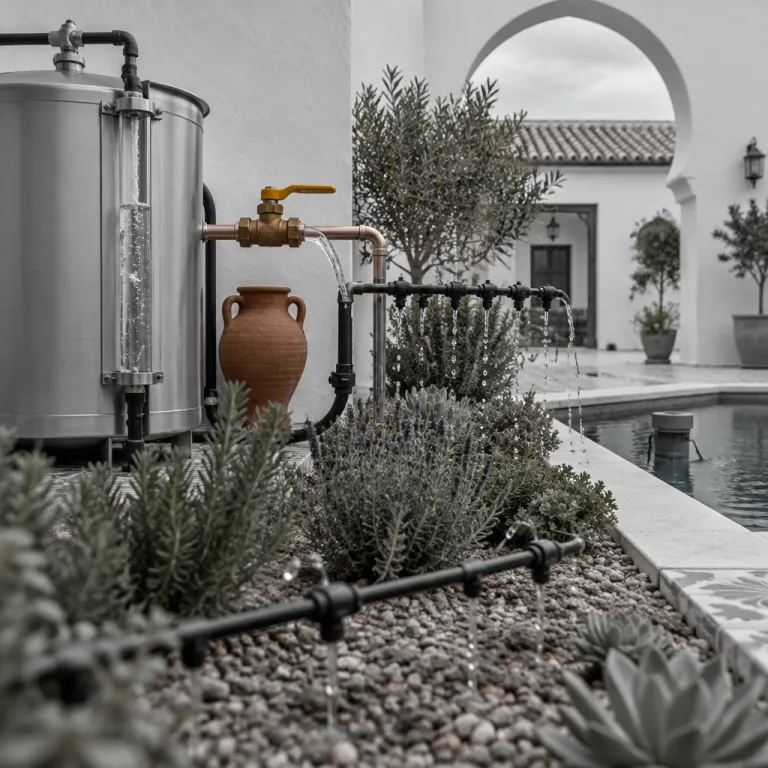
The most credible Andalusia hotels now start with the landscape, not the lobby. Instead of thirsty lawns designed for glossy advertisement images, they lean into native, drought tolerant planting that can handle long months of heat with minimal irrigation. For a traveler, a garden of olive trees, lavender and rosemary signals serious water management far more than a bright green lawn in the middle of southern Spain.
Pool design has become another quiet frontier in Andalusia hotels water sustainability drought strategies. Some properties reduce pool surface area, use covers to limit evaporation and rely on advanced filtration to extend the life of every cubic meter of water. In Cádiz province, for example, several coastal resorts now report cutting pool top ups by around a third simply by combining covers with windbreaks and shaded pergolas. When you compare hotels along the Costa del Sol or the wider Costa del corridor, look for how they talk about pool maintenance, not just pool size, because that reveals their attitude to water resources and sustainable tourism.
Behind the scenes, the most effective measures are often invisible to guests yet central to sustainable luxury. Greywater systems can reuse lightly used water for irrigation, while smart meters track real time water consumption across rooms, kitchens and spas. In Seville, a restored palace hotel now irrigates its courtyard orange trees almost entirely with treated greywater, cutting mains use for gardening by more than half. On the Atlantic side, properties highlighted in guides to hotels on the Costa de la Luz with direct beach views increasingly frame their appeal around sea breezes and natural shade rather than oversized pools, which quietly reduces tourism water demand without compromising the guest experience.
Inside the engine room: energy, hot water and smart operations
Water and energy are inseparable in luxury hospitality, especially when every suite expects instant hot water. In Andalusia, serious hotels now treat energy consumption and water consumption as twin levers, because heating water is one of the most resource intensive services in any property. When you see a clear commitment to renewable energy, you are often also seeing a quieter commitment to careful water management.
Many high end hotels across Spain now explore solar thermal systems for hot water, high efficiency laundry equipment and heat recovery technologies that cut both energy use and water waste. In Granada province, for instance, several rural boutique hotels report that solar thermal arrays now provide the majority of their domestic hot water during summer, easing pressure on both the grid and local water infrastructure. For a business leisure traveler, this rarely appears in a glossy advertisement, yet it directly shapes the comfort of long showers, well pressed linens and perfectly tempered pools. The best properties in Málaga, Seville or along the del Sol coastline treat these systems as core infrastructure rather than optional sustainable extras.
Regulation is slowly catching up with the climate crisis and the reality of water shortage in southern Spain. When you read about what Andalusia’s new tourism law changes for hotel travelers, you are really seeing how the region tries to align overnight stays, tourism growth and finite water resources. The current framework, often referred to as the Andalusian Tourism Law (Ley del Turismo de Andalucía, updated through regional decrees on classification and sustainability), encourages efficient water fixtures, transparent communication about local conditions and contingency plans for drought. A property that speaks clearly about compliance, transparent measures and long term planning usually signals a deeper culture of care for the planet, not just a response to the latest environmental headline.
Guest expectations, greenwashing and how to read between the lines
High end guests still arrive in Andalusia expecting lush gardens, expansive pools and cool interiors that defy the afternoon heat. The tension between those expectations and responsible water use is now the defining creative challenge for luxury hotels across Spain. Properties that handle it well are honest about limits, clear about measures and confident that refined service does not require waste.
When you evaluate hotels online, look beyond the first pool photograph or sustainability badge. Read how they describe irrigation, laundry practices, spa operations and any references to local water shortage or drought resilience, because vague language often signals greenwashing. A serious property will explain how it reduces tourism water demand, protects local drinking water and invests in long term water resources, even if the tone remains understated.
Transparency also extends to how a hotel frames its role within wider sustainable tourism in Andalusia and across Spain. If a property mentions collaboration with local authorities, participation in regional water management initiatives or alignment with standards used in the Balearic Islands and Canary Islands, that usually indicates deeper engagement. One coastal general manager on the Costa del Sol described guest feedback after introducing visible water saving measures as “surprisingly positive once we explained the drought context,” a reminder that communication matters. For travelers who want to care for the planet without sacrificing comfort, these details matter more than any single eco label or marketing line.
What drought smart luxury feels like as a traveler
On the ground, drought smart luxury in Andalusia feels quietly different, not austere. You might notice shaded courtyards that stay naturally cool, smaller but beautifully tiled pools and gardens that echo the surrounding hills rather than a tropical resort. The experience is still indulgent, but it is tuned to the rhythms of southern Spain rather than fighting them with endless water and energy.
In Málaga or along the Costa del Sol, a thoughtfully run hotel will often guide guests toward experiences that align with sustainable tourism, from early morning walks to late evening terraces when the heat softens. Properties such as those profiled in this review of an elegant stay on the Costa del Sol show how refined design, smart shading and efficient cooling can reduce energy consumption without compromising style. A guest at a boutique property near Ronda recently summed it up as “feeling pampered without feeling guilty,” after noticing discreet flow limiters in the shower and clear but calm explanations of local drought conditions. The real luxury is the sense that your overnight stays fit the landscape rather than strain it.
For business leisure travelers extending a work trip, this approach often translates into quieter confidence rather than visible restriction. You still enjoy long showers, crisp linens and a serene pool, but you also see subtle prompts about water consumption, clear explanations of drought conditions and staff who can speak knowledgeably about climate change impacts on local tourism. Choosing these hotels across Andalusia, and across Spain more broadly, is one of the most direct ways to support properties that genuinely care for the planet while still delivering the level of service you expect.
FAQ
Why is water more critical than carbon for hotels in Andalusia
Water is more immediately critical than carbon for many hotels in Andalusia because the region faces recurring drought and intense summer heat that directly threaten local water resources. In recent years, several Andalusian municipalities have introduced seasonal restrictions on non essential uses such as garden watering and pool refills when reservoirs fall below agreed thresholds. While carbon emissions drive long term climate change, water shortage can disrupt tourism water supply, agriculture and daily life in a single season. For travelers, this means that responsible water consumption in hotels has a direct, local impact that is often more tangible than abstract carbon metrics.
How can I tell if a hotel manages water responsibly
You can often gauge a hotel’s water management by how specifically it describes its measures rather than by broad marketing claims. Look for references to efficient irrigation, reduced pool evaporation, greywater reuse, low flow fixtures and transparent communication about local drought conditions. Properties that mention collaboration with regional authorities or alignment with sustainable tourism standards in Spain, the Balearic Islands or the Canary Islands usually show deeper commitment.
Does drought smart luxury mean compromising on comfort
Drought smart luxury does not have to mean sacrificing comfort when it is thoughtfully designed. Many high end hotels in Andalusia now use architecture, shading, native planting and efficient systems to maintain cool interiors, inviting pools and reliable hot water with lower water and energy consumption. The result is often a calmer, more regionally authentic experience that still meets the expectations of demanding guests.
Are pools still acceptable in regions facing drought
Pools can be acceptable in drought affected regions when they are designed and managed with care. Responsible hotels reduce surface area, use covers, optimize filtration and integrate pools into broader water management plans that respect local drinking water needs. As a guest, choosing properties that explain these practices helps support a more balanced relationship between leisure, tourism and the wider environment.
How does my choice of hotel influence sustainable tourism in Spain
Your choice of hotel directly influences sustainable tourism in Spain because it rewards properties that invest in long term resilience. When you prioritize hotels that communicate clearly about water consumption, renewable energy and climate crisis adaptation, you encourage the market to value genuine environmental performance over superficial advertisement. Over time, this shifts investment toward operations that protect local communities, ecosystems and the overall appeal of Andalusia as a destination.