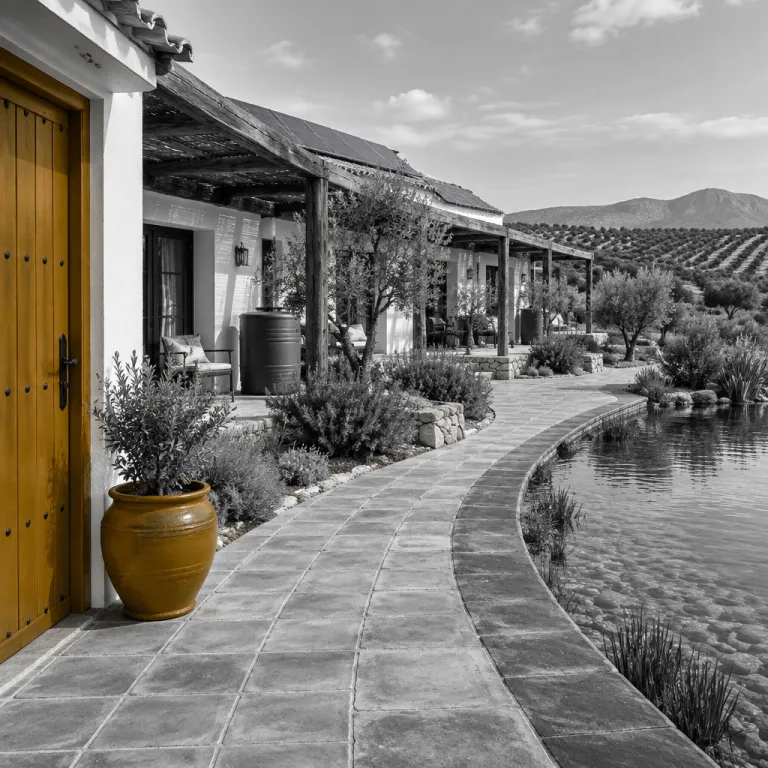
The new reality of luxury in southern Spain’s hotspots
World Tourism Day lands in Andalusia at a charged moment. The region sits at the sharp edge of record tourism demand, water stress and a growing debate about what responsible tourism should mean in southern Spain. For a traveler planning responsible luxury travel in Andalusia, the question is no longer whether to care, but how to act with intent.
In the coastal city resorts along the Costa del Sol, from Málaga to Puerto Banús, you feel the pressure most clearly. Peak day trips flood the seafront while local communities quietly calculate the cost of every extra shower, pool refill and air conditioned suite. Choosing andalusia luxury stays that manage water intelligently and support local employment is no longer a niche preference ; it is the baseline for responsible tourism in Spain.
Inland, the rhythm changes and the stakes feel different. White villages near Ronda, the olive groves of the interior and the cool forests of Sierra Aracena still welcome tourism, but they want slower travel and longer stays rather than frantic day trip traffic. For solo travelers planning andalusia travel, this is where responsible luxury travel in Andalusia becomes both more sustainable and more rewarding.
Overtourism, water and the best time to stay
The first decision that shapes responsible luxury travel in Andalusia is timing. The best time for a high end stay in a coastal villa or city palace is often the shoulder season, when temperatures soften and water demand eases. Arriving outside the most intense summer day trips to Málaga, Seville or the Costa del Sol means your presence supports jobs without adding to the worst seasonal strain.
Think of your itinerary as a balance between city energy and rural calm. A few nights in Seville or Málaga, followed by a slower stretch in a restored cortijo near olive groves or in a discreet villa above Ronda, spreads your tourism footprint more evenly. This pattern of andalusia travel also opens space for meaningful encounters with local communities that rarely see the cruise ship crowd.
Water is the quiet luxury that matters most right now. When you compare andalusia luxury hotels, read how they manage pools, gardens and laundry rather than only counting spa cabins or private terraces. Properties that reuse grey water, plant native species and communicate clearly about shorter linen cycles are taking sustainable tourism seriously, not just marketing it.
How to choose hotels for responsible luxury travel in Andalusia
Responsible luxury travel in Andalusia starts long before you land in Spain. The way you read a hotel’s website, question its sustainability claims and compare options in Seville, Málaga or the Costa del Sol will shape the impact of every day you stay. A polished eco badge means little if the property still flies in strawberries out of season and ignores its neighbors.
Look for specifics rather than slogans when you assess sustainable tourism promises. Does the hotel explain how it sources olive oil, wine and vegetables from local producers, or does it simply mention “local ingredients” without naming a single farm ? When a property in Seville or Granada highlights its work with local communities, check whether it supports real training programs or just occasional charity events.
Room choice matters as much as the address. A compact suite in a renovated palace in Seville or a well insulated villa above the coast can be more sustainable than an oversized penthouse with a plunge pool that evaporates water every day. If you enjoy reading about how superior rooms can blend comfort and style, a piece like the one on elegant superior rooms for discerning travelers offers a useful lens for evaluating what you really need.
Reading between the lines of eco claims
Many luxury hotels in Andalusia now reference responsible tourism, but the depth varies widely. A serious property will publish data on energy use, explain its work with solar panels and show how it reduces plastic, rather than hiding behind vague green language. When a hotel in Seville, Málaga or along the Costa del Sol shares detailed information about its suppliers and staff policies, you can usually trust that its sustainable tourism efforts are more than a marketing exercise.
Ask direct questions before you book. How does the hotel manage water during dry spells, and what guidance does it give guests about showers, pools and linen changes each day ? Does the property offer travel guides or a private tour with a local guide that highlight lesser known neighborhoods, or does it only push the same crowded day trip routes between Seville, Granada and the coast.
For coastal stays, pay attention to how a resort relates to its surroundings. A responsible villa near Puerto Banús or a refined hotel on the Costa del Sol will often partner with local communities for cultural events rather than importing generic entertainment. If you want a concrete example of how energy and landscape can align, the analysis of solar panels and olive groves in Andalusian hotels on how hotels cut their carbon footprint with solar panels and olive groves is a strong reference point.
Beyond the coast: inland routes for responsible luxury
The easiest way to practice responsible luxury travel in Andalusia is to look inland. Once you step away from the Costa del Sol and the busiest city breaks, you enter a network of white villages, olive groves and mountain ranges that still welcome thoughtful tourism. Here, a single villa stay or a small cluster of rooms can transform the prospects of local communities without overwhelming them.
Consider structuring your andalusia travel around a series of slow arcs rather than quick hits. One route might link Seville, the Sierra Aracena and the white villages around Ronda, with a final pause in a discreet coastal retreat rather than a full week in Puerto Banús. Another could weave between Seville, Granada and the interior olive groves, with carefully chosen day trips that support family run restaurants and guides.
World Tourism Day is a good moment to rethink the classic checklist. Instead of racing between Seville, Granada and Málaga on a packed day trip schedule, choose two bases and explore deeply with a private guide who lives locally. You will still tour the major monuments, but you will also walk through olive groves at dusk, taste single estate olive oil and hear how drought reshapes daily life in southern Spain.
Cross border itineraries and slower circuits
Many travelers now combine Spain and Portugal or even Portugal and Morocco in one extended journey. Responsible luxury travel in Andalusia means resisting the urge to tick three countries in five days and instead giving each region the time it deserves. A thoughtful circuit might focus on southern Spain first, then cross calmly into Portugal, leaving Morocco for another dedicated trip.
If you do plan a Spain and Portugal itinerary, use Andalusia as your slow anchor. Spend several days in Seville, then move to the Sierra Aracena or the Ronda area before continuing toward the Algarve, keeping day trips short and meaningful. This approach reduces transport emissions and channels tourism spending into inland areas that welcome it.
For those tempted by winter ski tours in the Sierra Nevada, the same logic applies. Choose operators who cap group sizes, hire local guides and respect fragile high mountain ecosystems rather than chasing maximum volume each day. Responsible tourism in these ski areas is still evolving, and your questions about water use, transport and waste can nudge providers toward more sustainable practices.
Supporting local communities while elevating your stay
Responsible luxury travel in Andalusia is not about sacrifice ; it is about refinement. The more you engage with local communities, the richer your experience becomes and the more your spending supports the region beyond headline tourism numbers. Every choice, from which olive oil you drizzle on bread to which guide you hire for a private tour, can tilt the balance toward sustainable tourism.
Start with the basics of where your money goes each day. When you stay in an independently owned city hotel in Seville or Málaga, or in a family run villa near Ronda, more of your payment circulates locally rather than leaving Spain. Choosing restaurants that highlight seasonal produce, wines from nearby appellations and olive oil from surrounding olive groves deepens your connection to place.
On the coast, luxury can still be aligned with responsibility. A refined stay at a property such as the METT Hotel & Beach Resort Marbella, reviewed in depth in this elegant Costa del Sol hotel review, shows how a resort near Puerto Banús can balance style with a sense of context. When you evaluate similar andalusia luxury options, look for partnerships with local artisans, serious staff training and cultural programming that reflects southern Spain rather than a generic international playlist.
Designing days that feel good and do good
Think of each day of your andalusia travel as a small ecosystem. A morning in a city museum, an afternoon walking through white villages or olive groves, and an evening tasting local sherry can all be arranged with minimal transport and maximum local benefit. When you book tours, favor operators who cap numbers, use local guides and avoid the most crowded time slots in Seville, Granada or Málaga.
Even leisure choices can support responsible tourism. A cooking class using market produce, a flamenco evening in a neighborhood peña rather than a mass market show, or a guided walk through rural landscapes all keep money close to the communities that host you. These experiences also tend to be the memories that stay with you long after a generic spa treatment fades.
World Tourism Day is a reminder that every traveler shapes the future of southern Spain. Responsible luxury travel in Andalusia is not a niche trend but a practical way to ensure that the region’s cities, coasts and villages remain livable for residents and luminous for guests. When you align your choices with that goal, your trip becomes both more ethical and more intensely pleasurable.
FAQ
What does responsible luxury travel in Andalusia actually involve day to day ?
Responsible luxury travel in Andalusia means choosing hotels that manage water and energy carefully, favoring locally owned properties and spending in businesses that employ and train residents. Day to day, it looks like shorter showers, accepting less frequent linen changes, walking or using public transport in cities and booking private tours with local guides rather than large anonymous operators. It also involves planning fewer day trips, staying longer in each place and visiting inland areas such as Ronda or Sierra Aracena that welcome thoughtful tourism.
When is the best time to visit Andalusia for a sustainable high end stay ?
The best time for responsible luxury travel in Andalusia is usually the shoulder seasons of spring and autumn, when temperatures are milder and water demand is lower than in peak summer. These periods still offer long daylight hours for city exploration in Seville, Málaga or Granada and comfortable conditions for walking in white villages or olive groves. Traveling outside the most intense holiday weeks also reduces pressure on local communities while keeping your experience relaxed and uncrowded.
How can I tell if a luxury hotel in Andalusia is genuinely sustainable ?
A genuinely sustainable luxury hotel in Andalusia will publish clear information about its energy sources, water management, waste reduction and work with local communities. Look for concrete details such as solar panels, partnerships with nearby farms for olive oil and produce, staff training programs and limits on pool refills during droughts. If a property only uses vague terms like “eco friendly” without data or examples, its commitment to sustainable tourism is likely superficial.
Is it better for responsible tourism to stay on the Costa del Sol or inland ?
Both coastal and inland stays can support responsible tourism if you choose carefully, but inland areas often benefit more from each visitor. The Costa del Sol and Puerto Banús already receive heavy tourism flows, so a shorter stay there combined with longer nights in Ronda, Sierra Aracena or other rural zones spreads benefits more evenly. Wherever you stay, prioritize locally owned hotels or villas, use local guides and keep day trips focused and meaningful rather than rushing between too many places.
Can I combine Andalusia with Portugal or Morocco and still travel responsibly ?
It is possible to combine Andalusia with Portugal or Morocco in a responsible way if you slow the pace and limit border crossings. Focus on southern Spain first, perhaps linking Seville, Granada and an inland area, then add a single overland connection into Portugal rather than multiple flights. If you also want to visit Morocco, consider planning a separate trip so that each country receives the time and attention it deserves without excessive transport emissions.