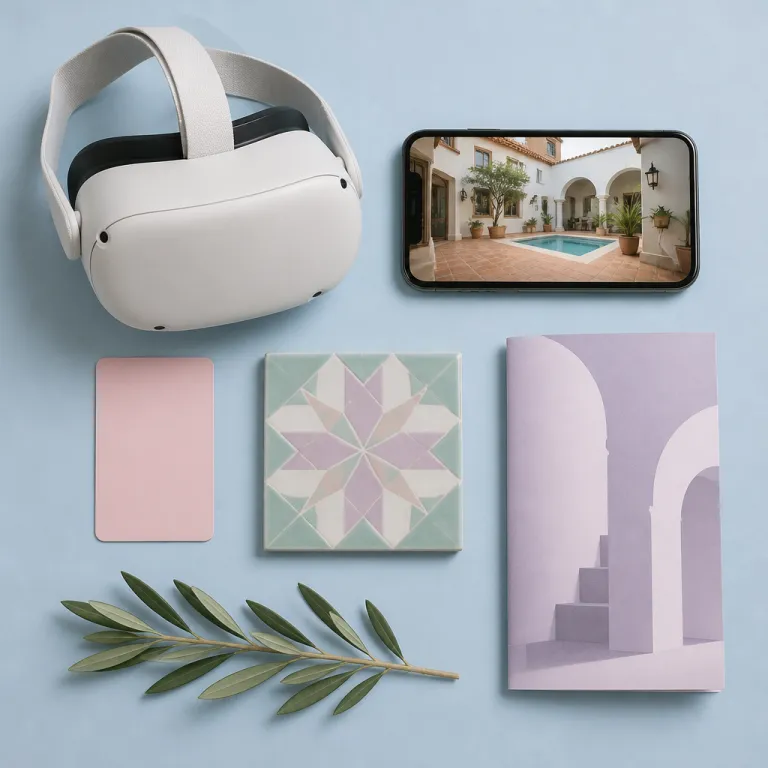
How immersive VR is transforming premium hotel booking in Andalusia
Virtual reality tours are rapidly reshaping how travelers choose luxury hotels in Andalusia. Instead of relying only on polished photos, guests can now walk through a suite, step onto a rooftop terrace, and look out over the Mediterranean before they commit. This shift makes the booking journey more transparent, more emotional, and ultimately more confident.
On leading luxury and premium hotel booking websites in Andalusia, VR is no longer a novelty reserved for tech enthusiasts. High end properties in Marbella, Seville, Málaga, and Cádiz increasingly offer immersive room previews that show real layouts, views, and finishes. Guests who value design details, privacy, and ambience can evaluate these elements in advance, reducing surprises on arrival and aligning expectations with reality.
For travelers comparing several five star resorts along the Costa del Sol, VR tours provide a level playing field. A 360 degree walkthrough of a sea view junior suite reveals how far the balcony sits from the pool and how much natural light enters at midday. This clarity helps travelers justify premium rates, because they can see exactly what they are paying for rather than guessing from carefully framed images.
From static photos to immersive storytelling on booking platforms
Traditional photo galleries show highlights, but they rarely convey how a luxury hotel actually feels. Virtual reality tours on Andalusian booking platforms create a continuous narrative, guiding guests from the lobby to the spa, then up to the suites in a single fluid experience. This storytelling approach mirrors the real arrival journey and helps travelers imagine their stay with greater precision.
Premium hotel booking websites in Andalusia now integrate VR players directly into room category pages. A traveler browsing a grand deluxe room in Seville can click into a 3D tour, move toward the window, and check whether the view faces the cathedral or a quiet courtyard. That level of detail supports more informed decisions and reduces the need for lengthy email exchanges with reservations teams.
VR also enhances the way hotels present complex facilities such as wellness areas and rooftop pools. Instead of listing square meters and equipment brands, a 360 degree spa tour lets guests gauge ceiling height, circulation space, and the intimacy of relaxation zones. For travelers planning romantic getaways or wellness retreats, this immersive storytelling often becomes the deciding factor between similar five star options. At Hotel Alfonso XIII in Seville, for example, the sales team reports that prospective guests who complete a full VR walkthrough of the historic suites are markedly more likely to book a premium category than those who view photos alone.
Evaluating room categories and views with VR precision
Choosing the right room category is one of the most delicate decisions in luxury travel. In Andalusia, where historic palaces and contemporary resorts coexist, layouts can vary significantly even within the same category. Virtual reality tours help guests compare these nuances in a way that floor plans and descriptions never fully achieve.
On a high end booking website, a traveler can open a VR tour of a premium suite in Granada and immediately understand ceiling heights, window placement, and the distance between the bedroom and living area. They can then switch to another suite category and repeat the same walkthrough, making a like for like comparison in minutes. This process reduces uncertainty for families, remote workers, and couples who need specific configurations for comfort or privacy.
View quality is another critical factor that VR addresses with unusual clarity. Instead of relying on generic “sea view” or “city view” labels, guests can stand virtually on the balcony and rotate the image to see the exact panorama. For properties in Ronda, Córdoba, or Jerez de la Frontera, this means travelers can appreciate views of historic monuments, vineyards, or mountain ranges before they confirm a non refundable rate. As one repeat guest at a boutique hotel in Ronda put it, “The VR tour showed me precisely how the terrace lined up with the gorge, so I knew the sunset would be unobstructed before I upgraded my room.”
Enhancing trust, transparency, and sustainability in luxury stays
Trust is central to any luxury and premium hotel booking decision, especially when nightly rates are high. Virtual reality tours signal that a hotel is confident enough to show its spaces from every angle, without relying solely on selective photography. This openness reassures guests that what they see online will closely match what they experience on site.
Transparency also extends to how hotels communicate their environmental commitments. Some Andalusian properties now include VR segments that highlight solar panels on rooftops, native landscaping, and energy efficient design. When combined with in depth editorial content about initiatives such as solar panels and olive groves, these immersive visuals help eco conscious travelers align their values with their booking choices.
VR can even reduce unnecessary site inspections and repeat visits by event planners and corporate buyers. When a meeting planner can virtually walk through a ballroom in Málaga, check ceiling rigging points, and assess pre function spaces, they may avoid multiple long distance trips. That efficiency lowers travel related emissions while still supporting rigorous due diligence for high profile events and incentive programs.
Practical tips for using VR tours on Andalusian booking sites
Travelers can extract more value from VR tours by approaching them with a clear checklist. Start by viewing the route from the entrance to the bed, then to the bathroom, and finally to any outdoor space. This sequence reveals circulation patterns, potential noise sources, and how private each area feels during a typical stay.
Next, pay attention to details that static photos often hide, such as wardrobe size, luggage placement, and the number of accessible power outlets near the desk or bedside tables. In a VR environment, you can pause and zoom to inspect these practical elements, which matter greatly for longer stays or remote work setups. For families, it is helpful to measure visually whether a cot or extra bed would fit comfortably without blocking access to windows or doors.
Lighting is another aspect that VR showcases more honestly than edited photography. When possible, choose tours that simulate different times of day, or at least examine how natural light enters through windows and doors. This assessment is particularly relevant in Andalusia, where strong sunlight can transform a room’s atmosphere and influence whether a terrace feels inviting or overly exposed.
Future directions for VR in Andalusia’s luxury hotel landscape
Virtual reality on luxury and premium hotel booking websites in Andalusia is still evolving. Early adopters focused mainly on rooms and suites, but the next wave is expanding into experiences such as flamenco evenings, vineyard visits, and private yacht charters. These immersive previews help travelers understand how on site activities integrate with the region’s culture and landscapes.
Some properties are experimenting with interactive VR layers that display contextual information as guests move through the virtual space. A traveler exploring a rooftop in Marbella might see subtle prompts about pool depth, bar opening hours, or cabana reservation policies. This approach blends marketing with practical guidance, reducing friction once the guest arrives and starts using the facilities.
As headsets become lighter and mobile VR quality improves, more travelers will access these tours directly from their phones or tablets. Luxury booking platforms that invest early in high fidelity, regularly updated VR content will stand out in a crowded market. They will also build stronger loyalty, because guests who feel accurately informed are far more likely to return and recommend the property to others.
Key statistics on VR and luxury hotel booking in Andalusia
- A 2018 Expedia Group Media Solutions analysis of travel listings with and without virtual tours reported that properties featuring immersive content were substantially more likely to convert lookers into bookers than those offering photos only; this uplift is frequently summarized in industry commentary as guests being “around 130–135 percent more likely to book” when a virtual tour is present, based on Expedia’s internal campaign benchmarks.
- Research from Google and Ipsos, including the “The 2019 Traveler’s Road to Decision” study, has found that a clear majority of leisure travelers feel more confident about their booking decisions when they can experience a destination or hotel virtually beforehand, underscoring the role of VR in reducing perceived risk. Readers should consult the latest Google/Ipsos travel insights library for exact percentages and publication years.
- Data from the World Travel & Tourism Council’s “Economic Impact 2023 – Spain” report indicates that Spain remains one of the world’s most visited countries, and Andalusia captures a significant share of that demand, which increases the competitive pressure on luxury hotels to differentiate through technology such as VR. WTTC’s annual economic impact publications provide the most up to date figures.
- Industry analyses from Skift, such as its 2020 and 2021 reports on immersive travel marketing, have highlighted that rich media content including 360 degree video and VR can increase engagement time on hotel and destination pages by more than 40 percent, giving premium properties more opportunity to communicate their value. Because methodologies vary by study, hotels should review the specific Skift report and publication date when benchmarking performance.
FAQ about VR tours on luxury hotel booking websites in Andalusia
Are VR hotel tours in Andalusia accurate representations of the rooms ?
High quality VR tours are usually created from real 360 degree photography or detailed 3D scans of existing rooms. Reputable luxury hotels in Andalusia tend to update these tours when they renovate, so what you see should closely match the current product. It is still wise to check the last renovation date, the VR capture date if available, and recent guest reviews for confirmation.
Do I need a VR headset to use these hotel tours ?
A dedicated VR headset offers the most immersive experience, but it is not essential. Most luxury and premium hotel booking websites in Andalusia provide web based 360 degree viewers that work on laptops, tablets, and smartphones. You can navigate with a mouse or touch controls and still gain a detailed understanding of the space.
Can VR tours help me choose between similar five star hotels ?
VR tours are particularly useful when comparing hotels with similar star ratings and price points. By virtually walking through rooms, corridors, and public areas, you can assess layout, ambience, and privacy in a way that photos cannot match. This level of insight often reveals subtle differences that justify choosing one property over another.
How do VR tours support accessibility planning for guests with reduced mobility ?
For travelers with mobility considerations, VR tours can show ramp locations, corridor widths, and bathroom layouts before arrival. Some Andalusian hotels now include specific VR views of accessible rooms and routes from the entrance to elevators and key facilities. This transparency helps guests plan confidently and reduces the risk of unpleasant surprises.
Are VR enhanced bookings more expensive than standard reservations ?
Accessing a VR tour on a booking website is typically free for the user. The technology is a marketing and service investment by the hotel or platform, not a paid add on for the guest. Prices for rooms and suites are based on category, season, and demand, regardless of whether you used VR during your decision making process.