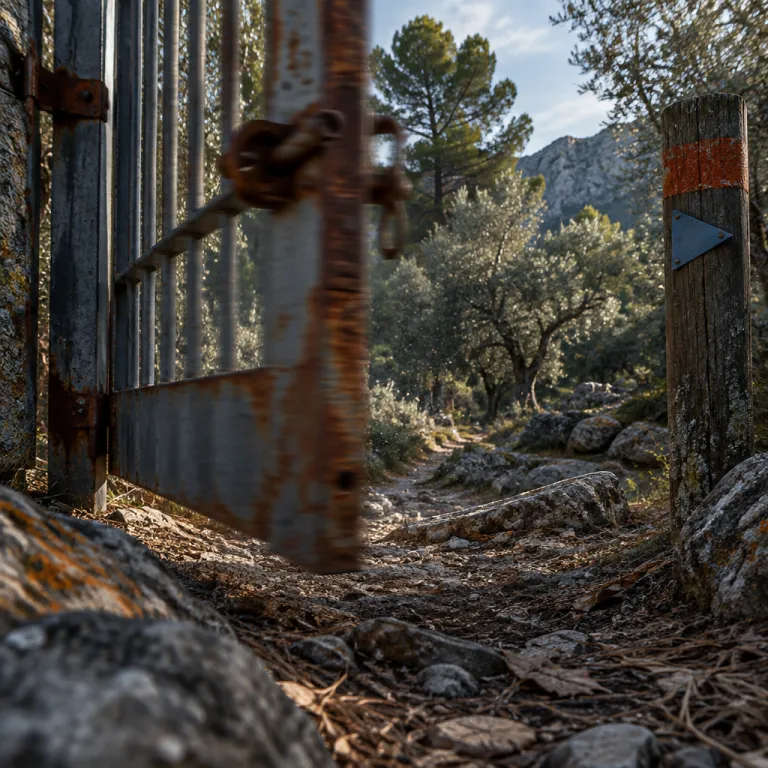
Sierra de Cazorla Hiking: Where to Stay for a Refined Trail Base
The Sierra de Cazorla, Segura y Las Villas is where Spain’s largest protected natural park folds into a high plateau of forests, cliffs and quiet valleys. This is the landscape many hikers imagine when they think about sierra horizons, deer moving through pine shadows and the first clear pools of the Guadalquivir river. When you plan any sierra de Cazorla hiking where to stay question, you are really choosing how close you want to sleep to that river, those forests and the most rewarding routes, such as the Río Borosa path or the Cerrada de Elías walkway.
Stretching across the Jaén province, this natural park feels far from the coast yet surprisingly accessible from Madrid or Granada by road. The park in Spain is defined by three linked sierras — Sierra Cazorla, Sierra Segura and Las Villas, often called the sierras Cazorla or the park sierras — which together create a vast amphitheatre of limestone and forest. Within this national park scale setting, you move between rural valleys, mountain passes and small whitewashed villages where history is written in stone churches and a hilltop castle or two, all reached by well maintained local roads and signed trailheads with small parking areas.
For hikers, the question is not whether to go, but where to base yourself in this park Spain region for maximum trail access and post hike comfort. Cazorla town, Arroyo Frío and Beas de Segura each offer a different answer to the sierra de Cazorla hiking where to stay puzzle, from lively streets to deep rural quiet. Think of your stay as a sequence of guide day choices, where each day’s routes, nature focus and level of climbing are shaped by the village you sleep in and the mountain views you wake up to, whether that means castle walls, pine ridges or olive groves.
Reading the Landscape: Nature, History and Classic Routes
Walk into the Sierra Cazorla at first light and you understand why this natural park has become a reference for nature lovers across Spain. The slopes are thick with pine, holm oak and juniper, while higher mountain ridges open to big skies where griffon vultures circle on thermals. Down in the valleys, the Guadalquivir river and its tributaries run clear del agua over limestone beds, creating natural pools that turn a long day of hiking into something almost meditative, especially on routes like the Cerrada de Utrero loop near the Tranco reservoir.
History is never far away in this park, and it shapes where you might want to stay. Cazorla town sits under the ruins of the Yedra castle and the church of Santa María, while nearby La Iruela is crowned by the dramatic Iruela castle, both offering a sense of medieval frontier life between Christian and Muslim Spain. Choosing a rural stay near these landmarks means your guide day can start with a quiet coffee in a stone square, continue with routes into Cazorla nature such as the PR-A 313 to Gilillo peak, and end with a glass of local wine beneath floodlit walls.
Classic routes range from gentle river walks to more serious mountain days, and they are the real reason many travelers search for sierra de Cazorla hiking where to stay. From Arroyo Frío you can follow well marked paths along the upper river valleys, including the Río Borosa trail (about 22 km return, 700 m ascent, 7–8 hours) that starts near the local information centre, while from Beas de Segura and the broader Cazorla Segura area you access wilder ridges and forest tracks. If you are drawn to Andalusia’s uplands in general, it is worth reading about where to stay in Andalusia’s mountain villages in summer on this guide to mountain villages, then applying the same logic to this park sierras region in cooler seasons.
Why Autumn Is Trail Season: Light, Temperatures and Wildlife
Autumn is when the Sierra Cazorla feels perfectly tuned for long days on foot, with cool mornings, clear afternoons and a softness in the light that flatters every ridge. Summer heat in this part of Jaén province can make exposed routes demanding, while winter sometimes brings snow to higher mountain passes and the occasional icy patch on shaded paths. In autumn, typical daytime temperatures sit between 15–22°C, so you can plan a full guide day of hiking without racing the sun, then return to your hotel in time for a slow dinner and a glass of red from nearby vineyards.
This is also the season when the park’s wildlife is at its most visible, especially the red deer rut that echoes through forested valleys at dawn and dusk. On quieter routes in the Cazorla natural core you may see ibex on rocky outcrops, wild boar tracks in the mud and raptors riding the thermals above the river gorges. The combination of wildlife, soft light and comfortable temperatures makes the sierra de Cazorla hiking where to stay decision more about which valley you want to hear those deer calls from, rather than whether you will be able to walk at all, though you should still check local notices for any temporary fire restrictions or hunting closures.
For active travelers who like to link different Andalusian trails, this park sits in a wider network of long distance routes that includes the Gran Senda de Málaga. If you have already planned a walking holiday along Málaga’s GR 249 using a detailed GR 249 hiking guide, you will recognise the same balance of rural hospitality and serious hiking here. The difference is scale, as the sierras Cazorla and the broader Cazorla Segura y Las Villas natural park feel more remote, more self contained and more focused on multi day immersion than coastal day hikes, with stages that often run 12–20 km between access points.
Where to Stay: Cazorla Town, Arroyo Frío and Rural Cortijos
Choosing where to stay in the Sierra Cazorla is about matching your hiking style with the right village and the right level of comfort. Cazorla town works well if you want history, restaurants and a sense of place, with the Yedra castle and Santa María church giving structure to your evenings after long routes. Typical mid range hotels here sit around €70–110 per night in shoulder season, while Arroyo Frío, by contrast, is a compact riverside base closer to the heart of Cazorla nature, where rural hotels and converted cortijos sit within easy reach of trailheads and the sound of the river del agua is part of the night.
Beas de Segura and the wider Segura Las area appeal to travelers who prefer quieter stays and a deeper sense of rural Spain, with olive groves, forest tracks and long views towards distant sierras. From here, your guide day might involve driving a short distance into the park sierras, then spending hours on less frequented routes that climb gradually into the mountain landscape. The sierra de Cazorla hiking where to stay question becomes more nuanced in this Cazorla Segura corner, because you trade immediate access to the most famous paths for solitude and a more traditional rhythm of village life, often at slightly lower nightly rates.
Many of the most characterful stays are in former farmhouses or hunting lodges that have been converted into comfortable rural hotels, often with stone walls, fireplaces and terraces facing the natural park. These properties suit hikers who want to move between climbing days, river valley walks and cultural excursions without sacrificing good mattresses, hot showers and thoughtful service. If you enjoy pairing trail days with urban elegance, you might also look at an old town Andalusian stay such as those described in this guide to Andalusian historic luxury stays, then book a similar standard of comfort here in the sierras Cazorla region, checking for half board options and early breakfast times for hikers.
Pairing the Park with Úbeda, Baeza and Wider Andalusian Sierras
A week in the Sierra Cazorla works beautifully when paired with a few nights in the Renaissance towns of Úbeda and Baeza, both within driving distance across the Jaén province. After several guide day sequences of hiking in the natural park, arriving in Úbeda’s stone squares and Baeza’s cloistered courtyards feels like stepping into another chapter of Spanish history. This mix of park sierras and urban architecture gives structure to an itinerary that might otherwise be only about trails and river valleys, and it breaks long driving days into manageable stages.
From a practical perspective, splitting your time between the sierras Cazorla and these towns allows you to adjust to weather, energy levels and any desire for culture or shopping. You might start with three nights in Cazorla town or Arroyo Frío for immediate access to Cazorla nature, then move to Úbeda for museums, churches and long lunches before returning to the mountains for a final rural stay. For travelers who have already walked in the Sierra Nevada or explored the high passes near the Sierra Nevada national park, this combination offers a softer, more wooded counterpoint to the sharper peaks of that nevada range, with driving times of roughly two to three hours between regions.
Climbers and scramblers sometimes ask whether the Sierra Cazorla offers the same level of technical climbing as the Sierra Nevada, and the answer is that it excels more in long hiking routes, river valleys and forested ridges than in high alpine faces. That said, there are sections where you will use your hands, especially on steeper paths above the river gorges or near certain castle viewpoints. If your main goal is serious climbing, you might focus on Sierra Nevada and treat this park Spain region as a more relaxed phase of your trip, but if you want varied hiking with rich history and comfortable rural stays, the sierra de Cazorla hiking where to stay decision should sit at the centre of your Andalusian plans.
Planning Your Stay: Practical Tips for Solo Hikers and Active Travelers
Solo travelers often choose the Sierra Cazorla because it balances a sense of wilderness with the reassurance of established routes, clear signage and welcoming villages. When you plan your guide day, think in terms of time on the trail rather than distance alone, because the combination of climbing, river crossings and photo stops at castle viewpoints can stretch a moderate route into a full day. Always carry enough water, a basic first aid kit and a printed or offline map, as mobile coverage in the deeper Cazorla natural valleys and higher mountain sections can be patchy, and GPX tracks downloaded in advance are useful backups.
Transport usually involves arriving by car from larger Andalusian cities, which gives you the flexibility to move between Cazorla town, Arroyo Frío, Beas de Segura and the Segura Las villages. If you do not drive, look for rural hotels that can arrange transfers from nearby bus stations and possibly local taxis to trailheads, especially for early starts or late returns. When you search for sierra de Cazorla hiking where to stay options online, pay attention to how each property describes access to routes, proximity to the river del agua sections and any links with local mountain guides, and check current bus timetables from Jaén or Úbeda as they can change by season.
Finally, think about how this trip fits into your wider Andalusian journey, especially if you are also visiting Granada, Córdoba or the Sierra Nevada region. Some travelers like to start with city stays, then move into the park sierras for a full reset in nature before finishing with a night in Úbeda or Baeza. However you structure it, the combination of Cazorla nature, layered history and carefully chosen rural stays will give you a version of Andalusia that feels both grounded and quietly luxurious, far from the coast yet deeply connected to Spain’s mountain heartlands.
FAQ: Planning a Hiking Stay in the Sierra de Cazorla
Is the Sierra de Cazorla suitable for solo hikers who prefer luxury stays ?
The Sierra de Cazorla works well for solo hikers who want a mix of serious walking and comfortable accommodation, because villages like Cazorla town and Arroyo Frío offer a range of rural hotels with good services. Trails are generally well marked, and the presence of other walkers on popular routes adds a layer of reassurance without making the park feel crowded. Choosing a central base and booking properties with strong reviews for service and safety is usually enough to create a relaxed, independent trip, especially if you request upper floor rooms and late check in.
Where should I stay for the best access to hiking routes ?
Cazorla town is ideal if you want a blend of history, restaurants and access to a variety of routes, including those that start near the Yedra castle and Santa María church. Arroyo Frío places you closer to the heart of the natural park and the river valleys, which is useful if you plan multiple long days on the trail. Beas de Segura and the Segura Las area suit hikers who prefer quieter stays and are happy to drive a little to reach less frequented paths, often starting from forest track junctions with small signed parking bays.
How does the Sierra de Cazorla compare to the Sierra Nevada for hiking ?
The Sierra de Cazorla offers lower altitudes and more forested terrain than the Sierra Nevada, with an emphasis on long valley walks, ridges and river routes rather than high alpine summits. It is better for multi day immersion in nature, wildlife watching and combining hiking with rural culture and castle visits. The Sierra Nevada is stronger for technical climbing and high mountain experiences, while the Sierra Cazorla excels at varied, accessible hiking with comfortable bases in small towns and cortijos.
Do I need a car to explore the park effectively ?
A car is highly recommended, because the park covers a large area and many trailheads sit several kilometres from the main villages. With a vehicle you can choose different starting points each day, link Cazorla town with Arroyo Frío or Beas de Segura and easily visit Úbeda or Baeza for cultural days. Without a car you will need to rely on limited public transport and pre arranged transfers, which can restrict your choice of routes and bases, particularly outside peak holiday periods.
Can I combine hiking in the Sierra de Cazorla with other Andalusian destinations ?
Many travelers combine a stay in the Sierra de Cazorla with time in Granada, Córdoba or the coastal provinces, using the park as a quieter, nature focused phase of a longer Andalusian journey. It also pairs well with other mountain regions such as the Sierra Nevada or the Gran Senda de Málaga, especially if you enjoy varied terrain and different styles of rural hospitality. Planning your itinerary around a few key bases, rather than many short stops, usually delivers a more relaxed and rewarding trip.
Sources and Further Reading
For up to date practical information and background on the region, consult the official website of the Parque Natural Sierras de Cazorla, Segura y Las Villas, the Junta de Andalucía tourism portal and Spain’s national tourism board Turespaña.