Ubeda Baeza where to stay renaissance: why these twin towns matter
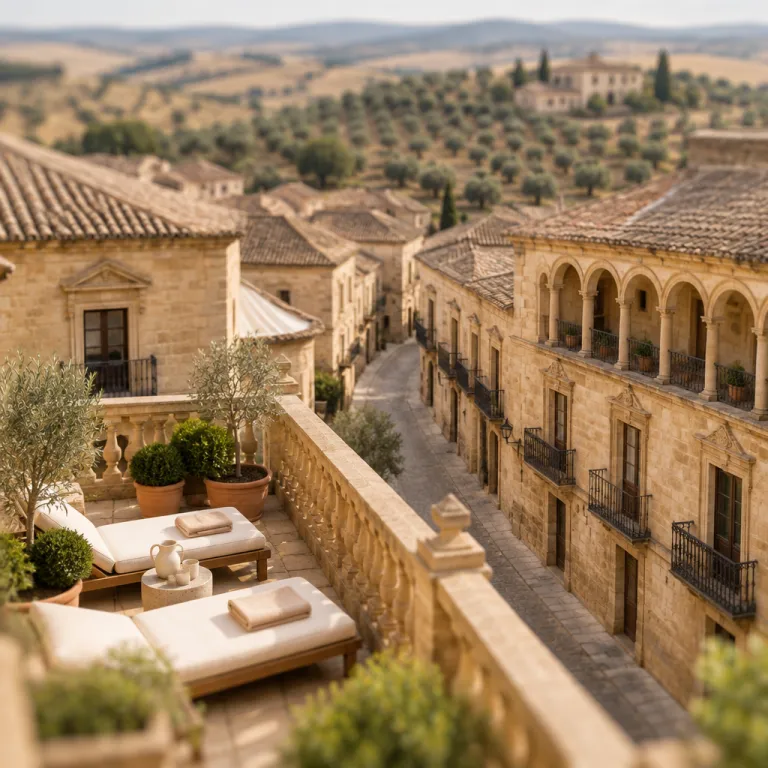
Ubeda and Baeza sit high above an ocean of olive trees, their golden stone catching the late afternoon light. For travelers asking about ubeda baeza where to stay renaissance, these twin towns offer one of Spain’s most complete ensembles of sixteenth century architecture. The pace is unhurried, the air scented with olive mills, and every square seems designed for a slow evening night stroll.
Ubeda feels like a small city yet keeps the intimacy of a hill town, with its historic center wrapped around the Plaza Vázquez de Molina. Here, the honey colored palace façades, chapels, and civic buildings form the heart of the shared UNESCO heritage heritage site known as Ubeda Baeza. Baeza, a short drive away, is quieter still, its former university cloisters and the Baeza Cathedral giving it a scholarly, almost monastic calm.
Both Ubeda and Baeza reward travelers who prefer culture to crowds and are happy to trade Seville or Granada buzz for Renaissance stone and olive groves. The question of ubeda baeza where to stay renaissance is really about how close you want to be to the main squares and how much you value sleeping inside a sixteenth century palacio. Many couples choose one hotel in Ubeda for two nights, then a second hotel in Baeza for a final night, balancing both sides of this UNESCO heritage pairing.
Staying in Ubeda: palaces, plazas and golden stone evenings
In Ubeda, the essence of ubeda baeza where to stay renaissance is distilled around Plaza Vázquez de Molina. This luminous square, often called Plaza Vázquez, is framed by the Sacra Capilla de El Salvador, the palacio de las Cadenas and other palace façades attributed to architect Andrés Vandelvira. Staying within a short walk of this historic center puts you inside the most atmospheric streets at dawn and late night.
Many characterful properties occupy former noble houses, where a sixteenth century building now offers contemporary amenities such as air conditioning, strong showers and discreet room service. A classic choice is a converted palacio near Santa María, where thick walls keep rooms cool and some suites overlook the tiled roofs of the city. When browsing any Ubeda hotel options or broader hotels Ubeda listings, focus on how sensitively the interiors respect the original stonework and courtyards.
The historic Parador Ubeda, housed in a Renaissance palacio on Plaza Vázquez de Molina, is often the reference point for a traditional star hotel stay in town. Its arcaded courtyard and cloister like galleries speak directly to the Renaissance character that defines Ubeda, while modern comforts such as air conditioning and attentive room service meet contemporary expectations. Couples who enjoy similar heritage stays in Ronda often compare this experience with the elegant properties featured in guides to historic hotels in Ronda above the gorge.
Staying in Baeza: scholarly calm and cathedral silhouettes
Baeza offers a softer, more contemplative answer to the question of ubeda baeza where to stay renaissance. The town’s heart lies around the Baeza Cathedral and the former university, where students once crossed stone cloisters designed in the same Renaissance idiom as Ubeda’s palaces. Walking these streets at the end of the day, you feel the weight of century after century in every carved doorway.
Accommodation here tends to be smaller in scale, with each hotel Baeza often occupying a single historic building close to the historic center. Many couples choose a hotel within a short walk of the Baeza Cathedral, so they can slip out at night to enjoy the illuminated square and then return easily to their room. When comparing different hotels Ubeda and Baeza options, pay attention to guest reviews that mention noise levels, as stone streets can amplify late evening conversations.
Several properties in Baeza feature interior courtyards, small terraces and seasonal swimming pools, which are welcome after a summer day exploring this UNESCO heritage heritage site. A well run star hotel in Baeza will balance character with comfort, offering reliable air conditioning, thoughtful amenities and efficient room service without overwhelming the historic fabric. For a broader perspective on how Andalusia transforms monuments into places to sleep, it is worth reading about the region’s approach to converting heritage into hotels.
Architecture, olive country and slow travel between Ubeda and Baeza
The shared story of Ubeda and Baeza is written in stone by architect Andrés Vandelvira, whose work defines much of their Renaissance skyline. In Ubeda, his hand is visible around Vázquez Molina square, while in Baeza it shapes the university cloisters and the Baeza Cathedral. Staying in a converted palacio or noble building here means sleeping inside the same architectural language that made this UNESCO heritage heritage site famous.
Beyond the stones, Jaén province is the densest olive growing region on the planet, and that landscape frames every tour and every day trip. From many a Ubeda hotel terrace or Baeza rooftop, you look out over hills striped with trees, then return to a dining room where local oil anchors the menu. Couples who ask about ubeda baeza where to stay renaissance often end up planning at least one olive mill visit, pairing cultural walks with tastings and countryside drives.
This is a place that rewards lingering rather than ticking sights, especially for travelers who have already seen Seville or Granada. A typical rhythm might be a slow morning in the historic center, a lazy afternoon by a swimming pool or shaded patio, then an evening tour of illuminated façades before a late night dinner. If you are flexible on dates, consider the shoulder seasons, which many connoisseurs regard as ideal for Andalusia’s inland towns, as explored in this guide to traveling in Andalusia’s quieter months.
How to choose your hotel: amenities, location and heritage
When you compare options for ubeda baeza where to stay renaissance, start with location, then refine by comfort level. In Ubeda, staying near Plaza Vázquez de Molina or Santa María places you within a short walk of the key Renaissance monuments and the most atmospheric squares. In Baeza, proximity to the Baeza Cathedral and the old university quarter defines the most characterful addresses.
Next, look closely at amenities, especially if you are planning a summer day arrival when heat can be intense. Reliable air conditioning, well maintained swimming pool areas and responsive room service make a significant difference to how you experience a historic building. A good star hotel in either city should balance these comforts with respect for original features, whether you are staying in the Parador Ubeda or a smaller hotel Baeza conversion.
Finally, read recent guest reviews with a critical eye, focusing on comments about noise, maintenance and service rather than décor preferences. Pay attention to how couples describe the feel of the palacio or palacio los style property at night, and whether the short walk to main sights feels safe and well lit. For many travelers, the ideal answer to ubeda baeza where to stay renaissance is a two stop itinerary, combining one of the characterful hotels Ubeda with a quieter hotel near the Baeza Cathedral.
Pairing Ubeda and Baeza with wider Andalusian journeys
Ubeda and Baeza sit naturally within a broader Andalusian itinerary that might also include Córdoba, Seville or Granada. Many couples arrive from Granada, spend a night or two in a Ubeda hotel, then continue towards the coast or the Sierra de Cazorla. Others loop in from Ronda or Jaén, using the twin towns as a cultural counterpoint to more obviously Moorish cities.
From either city, you can arrange a tour into the nearby Sierra de Cazorla, Segura y Las Villas Natural Park, returning by late day to the comfort of your chosen hotel. This contrast between rugged mountains and the ordered geometry of Renaissance squares is one of the region’s quiet luxuries. It also underlines why the UNESCO heritage status of Ubeda Baeza extends beyond individual monuments to the way these towns sit in their landscape.
Whether you stay in the Parador Ubeda, a restored palacio near Santa Cruz or a discreet hotel Baeza close to Santa María, the key is to let the rhythm of the place guide you. Take time to walk past the works of Andrés Vandelvira, linger in plaza Vázquez as the light fades and appreciate how each century has layered new stories onto the same stones. In doing so, you will understand why the question of ubeda baeza where to stay renaissance is less about ticking boxes and more about choosing which chapter of this heritage site you want to inhabit for a few nights.
FAQ: staying in Ubeda and Baeza
How many nights should I spend in Ubeda and Baeza ?
Most couples find that three to four nights split between Ubeda and Baeza works well. This allows at least one full day in each town, plus time for an olive oil tour or a drive towards the Sierra de Cazorla. If you are especially interested in Renaissance architecture, adding an extra night in Ubeda gives more space for slow walks around Plaza Vázquez de Molina.
Is it better to stay in Ubeda or Baeza for a first visit ?
For a first trip focused on ubeda baeza where to stay renaissance, Ubeda usually makes the stronger base. The concentration of palaces around Vázquez Molina square and the presence of the Parador Ubeda give it a slightly more urban feel. Baeza, with its university cloisters and Baeza Cathedral, suits travelers who prefer a quieter, more contemplative atmosphere.
Do heritage hotels in Ubeda and Baeza have modern amenities ?
Most well run properties in both towns combine historic character with contemporary amenities. In practice, this means reliable air conditioning, good bathrooms, Wi Fi and often room service, even when the hotel occupies a sixteenth century building. When comparing hotels Ubeda or any hotel Baeza, check recent reviews to confirm how effectively they balance comfort and preservation.
Do I need a car to explore Ubeda and Baeza ?
The historic center of each city is compact, and most key sights are within a short walk of central squares. A car is useful if you plan to visit olive mills, the Sierra de Cazorla or smaller villages beyond the heritage site. Inside Ubeda and Baeza themselves, you will likely park once near your hotel and explore on foot.
How do Ubeda and Baeza compare with larger Andalusian cities ?
Compared with Seville, Córdoba or Granada, Ubeda and Baeza feel calmer and more focused on Renaissance rather than Moorish heritage. The scale is intimate, the squares are less crowded and the evenings feel more local than touristic. For many couples, combining these twin towns with one larger city creates a balanced Andalusian itinerary.
Sources
Junta de Andalucía – official tourism information on Jaén province and Ubeda and Baeza.
UNESCO World Heritage Centre – documentation on the Renaissance monumental ensembles of Ubeda and Baeza.
Spain Tourism Board (Turespaña) – background on Andalusia’s cultural routes and olive oil tourism.