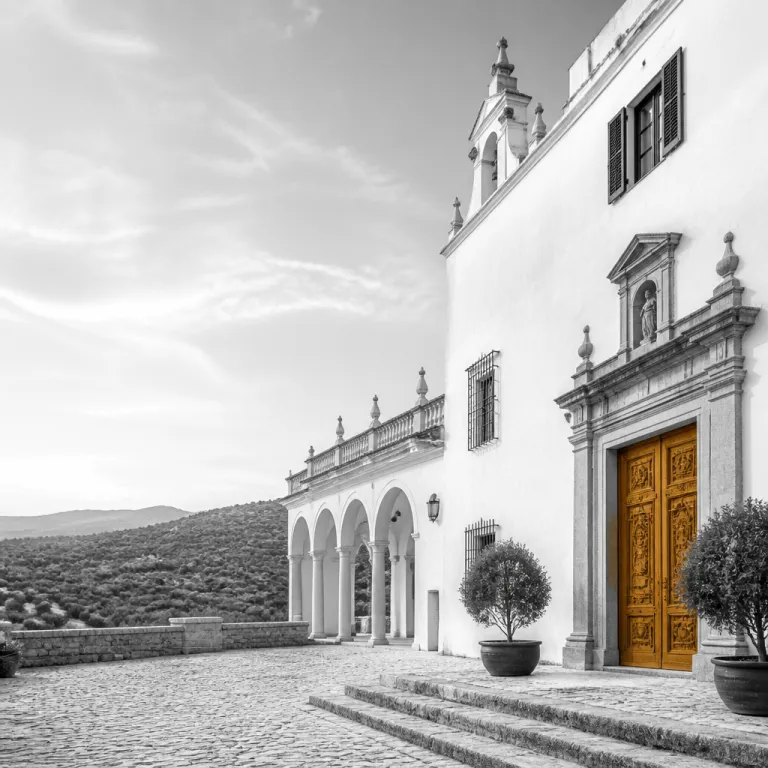
What a parador is – and why it matters in Andalucía
A parador in Spain is a state run hotel brand created to protect landmark buildings while welcoming guests. These paradores are usually located inside castles, monasteries, palaces or historic properties that anchor a town or city in its past. For many travelers, an andalusia parador stay is the most direct way to sleep inside the region’s layered history.
Across Andalucía, parador hotels sit in some of the best locations in the region, from hilltop fortresses to cloistered convents beside major cathedrals. Unlike many luxury hotels, each parador is tied to a specific century, architectural style and story, so you feel the weight of time as you walk to breakfast. When you book a parador in southern Spain, you are choosing both a hotel and a curated lesson in local heritage.
The paradores Spain model differs from a private hotel because the focus is conservation first and profit second. Rooms are comfortable, service is professional and facilities such as a swimming pool or gardens are usually present, but the building’s character always leads. If you stay parador in Andalucía with children, you will often find generous public spaces where younger guests can move around without disturbing the calm of other travelers.
Families planning their first trip to Spain read about paradors and often ask whether they are too formal. In practice, these hotels feel less stiff than some five star city properties, because the architecture invites exploration and the atmosphere is relaxed rather than showy. This andalusia parador hotels guide will help you decide when a parador is the right call and when another style of hotel might suit your trip better.
Strengths of Andalusian paradores for families and culture lovers
Across Andalucía, parador hotels excel when you care about views, history and reliable comfort more than cutting edge design. Many paradors are located on ridges or ramparts, which means panoramic views over the town, the surrounding countryside and the distant sierras. If you want your children to remember where they stayed, a castle terrace at sunset usually beats a generic city tower.
The best known paradores Spain properties in the region include Parador Granada, Parador Málaga Gibralfaro, Parador Jaén, Parador Carmona and Parador Cádiz. Each of these hotels anchors its own city or town story, from Moorish palaces to coastal ramparts, and each offers a different way to stay parador while still keeping family needs in mind. When you read this andalusia parador hotels guide alongside a broader overview such as our article on unique luxury stays in Andalusia, you start to see where paradores shine and where a different luxury hotel might be stronger.
For families, the main strength is space. Public lounges, cloisters, terraces and gardens in these parador hotels give children room to move, while parents enjoy a glass of wine with uninterrupted views of Andalucía. Because each parador is a state backed hotel, you also benefit from consistent standards across the paradores network in Spain, even though the design and century of each building differ dramatically.
Culture led travelers appreciate that many paradors sit next to, or even inside, major historical sites. Staying at Parador Granada places you within the Alhambra complex, while Parador Jaén crowns the hill above the city in a castle that has watched over the region for centuries. When you book parador stays in this way, your hotel becomes part of your sightseeing rather than just a place to sleep.
Trade offs: when a parador is not the right choice
Paradores in Spain are not designed to compete with the flashiest luxury hotels on the Costa del Sol. If you expect ultra contemporary interiors, cutting edge spas and a long list of branded amenities, some paradors may feel restrained or even slightly institutional. This is where an honest andalusia parador hotels guide must highlight the trade offs clearly.
Because these hotels are located in protected buildings, room layouts can be quirky and not every parador offers a large swimming pool or extensive wellness area. You might find that a castle corridor is atmospheric but not ideal for a stroller, or that thick stone walls limit natural light in some rooms, even while they keep the heat at bay. When you book stay options in Andalucía, it is worth reading recent guest feedback carefully to understand how each parador balances heritage with modern comfort.
Design across the paradores Spain network can also vary from timeless to slightly dated. Some properties, such as Parador Cádiz, lean into contemporary lines and glass to frame the Atlantic, while others keep a more traditional palette that prioritises durability over trend. If your priority is a design led hotel with a very specific aesthetic, you may prefer a private luxury hotel in the city centre and then visit a nearby parador for lunch or views.
Location can be both a strength and a limitation. A parador located on a hilltop outside a town offers extraordinary panoramic views but may require a drive for dinner beyond the hotel restaurant, which matters if you are travelling with young children. For guests planning active weekends, such as hiking near El Chorro after reading our guide to the Caminito del Rey and where to stay, a parador can be a memorable base, but you should check access and parking before you book.
How to choose the right Andalusian parador for your itinerary
Choosing between parador hotels in Andalucía starts with geography, not room photos. Map your route across the region first, then look at which paradors sit in each city or town you plan to visit. This andalusia parador hotels guide focuses on properties that work well for families and culture focused travelers, rather than listing every hotel in the network.
For Granada, Parador Granada is the obvious choice if you want to stay inside the Alhambra complex and wake up within walking distance of Nasrid courtyards. In Málaga, Parador Málaga Gibralfaro sits above the city with panoramic views over the port, while a more urban luxury hotel such as the AC Hotel Málaga Palacio, reviewed in detail in our guide to elevated stays between cathedral and sea, offers a different style of comfort. In Jaén, the Parador Jaén occupies a castle like fortress above the town, turning a simple overnight stay into a lesson in frontier history.
Families who prefer quieter bases often look at Parador Carmona, located in a small town within easy reach of Sevilla, or Parador Cádiz for a coastal stay with Atlantic light and sea air. When you book parador stays in these locations, you trade some urban buzz for space, calmer evenings and usually easier parking, which matters with children and luggage. Always read the hotel description carefully to understand whether the parador is inside the historic centre, on a hill above the city or slightly outside the main town.
Price is another factor, but you should think in terms of value rather than chasing the lowest prices booking platforms show. A parador located inside a major historical site may cost more than a standard city hotel, yet it can replace some paid sightseeing because the building itself is part of your cultural experience. When you book stay options directly with Paradores Spain, you sometimes find family offers or half board packages that simplify budgeting for multi night trips.
Iconic Andalusian paradors: castles, convents and coastal ramparts
Certain paradors in Andalucía have become destinations in their own right. Parador Granada, Parador Málaga Gibralfaro, Parador Jaén, Parador Carmona and Parador Cádiz are among the best known, and each illustrates a different facet of this andalusia parador hotels guide. None of them feels interchangeable with a standard city hotel, because each is rooted in a specific building and century.
Parador Granada is located within the Alhambra complex, occupying part of a former convent built over a Nasrid palace, which means you sleep inside layers of Moorish and Christian history. Parador Málaga Gibralfaro crowns the hill above the Alcazaba and the port, offering panoramic views over the city, the bullring and the Mediterranean, especially striking at night. Parador Jaén rises from the Cerro de Santa Catalina like a stone ship, its castle silhouette visible from almost every street in the town below.
Further west, Parador Carmona sits above the town in a former fortress with sweeping views over the countryside of Andalucía, making it a favourite for families who want space and a strong sense of place. On the Atlantic side, Parador Cádiz offers a more contemporary expression of the parador idea, with glass, light and sea air shaping the experience as much as the historic city outside. When you stay parador in these locations, you are not just booking a room ; you are reserving a specific vantage point on the region’s history.
Beyond Andalucía, many travelers connect their trip with other emblematic properties such as the León Parador in Castile and León or the historic parador in Santiago de Compostela, creating a longer route through Spain that links major historical sites. An andalusia parador stay can be the southern anchor of such a journey, especially if you plan to book parador nights in several regions. This approach works particularly well for families who want a consistent hotel concept while still experiencing very different cities and landscapes.
Who paradores suit best – and who should look elsewhere
Paradores in Spain suit travelers who care about context as much as comfort. If you want your children to remember that their hotel was inside a castle, beside a cathedral or above a whitewashed town, then this andalusia parador hotels guide is speaking directly to you. Families who enjoy museums, walking tours and long lunches in historic plazas usually feel at home in these properties.
Culture led travelers appreciate that a parador is often located at the most strategic point in a city or town, whether that is a hilltop, a riverside or a fortified gate. The building itself becomes a teaching tool, from Moorish arches in Andalucía to Romanesque cloisters further north in Spain. When you read article style reviews of parador hotels, you will often see guests mention how the setting shaped their understanding of the region far more than any single museum visit.
On the other hand, travelers who prioritise nightlife, cutting edge design and a long list of spa treatments may be better served by private luxury hotels in the heart of each city. A parador located on a ridge above town can feel remote if you want to step out into bars and restaurants every evening without using a taxi. In those cases, a central hotel paired with day visits to nearby paradors can give you the best of both worlds.
It is also worth considering accessibility. Some castle based paradors involve steps, uneven surfaces and long corridors, which can be challenging with very young children or mobility issues, even though staff are usually helpful. Before you book stay options, read recent feedback and contact the hotel directly if you need lifts, adapted rooms or easy access parking, especially in older properties where the original structure limits what can be changed.
Practical tips for booking paradores in Andalucía and beyond
Booking a parador in Andalucía is straightforward, but a few strategies help you secure the right room in the right location. Start by deciding which cities and towns are non negotiable for your trip, then check which paradors are located there or nearby. This andalusia parador hotels guide recommends focusing on Granada, Málaga, Jaén, Carmona and Cádiz for a first family itinerary.
When you book parador stays, compare prices booking directly with the Paradores Spain website and with major booking platforms, but always read the conditions carefully. Direct bookings sometimes include breakfast or flexible cancellation, which can be valuable for families, while third party sites may show lower initial prices but stricter terms. If you plan to stay parador in several regions of Spain, such as combining an andalusia parador with nights at the León Parador or the parador in Santiago de Compostela, loyalty programmes and seasonal offers can add up.
Room categories vary widely because of the historic buildings, so do not assume that all rooms of the same name are identical. In castle based paradors, some rooms may have smaller windows but quieter locations, while others trade silence for panoramic views over the city or countryside. When you read detailed hotel descriptions, pay attention to mentions of terraces, orientation and proximity to public areas, especially if you are travelling with light sleeping children.
Finally, think about how a parador fits into your wider Spain read list of experiences. A night at Parador Granada can follow a few days in a central city hotel, while Parador Málaga Gibralfaro can bookend an active trip that includes coastal walks and inland hikes. Used thoughtfully, paradors become the historical punctuation marks in a journey across Andalucía, giving structure and meaning to the spaces between famous sights.
Key figures on paradores and heritage stays
- Paradores de Turismo operates more than 95 properties across Spain, with a significant cluster in Andalucía, according to company data, making it one of the largest state backed hotel networks in Europe.
- Over half of all paradores are located in historic buildings such as castles, monasteries or palaces, based on Paradores de Turismo reports, which underlines the brand’s focus on heritage conservation through hospitality.
- Spain receives more than 80 million international visitors per year according to the Instituto Nacional de Estadística, and a growing share of culture focused travelers choose at least one parador stay during multi city itineraries.
- Andalucía consistently ranks among the top regions in Spain for overnight stays, with millions of hotel nights recorded annually in data from regional tourism authorities, highlighting the importance of clear guidance such as an andalusia parador hotels guide for first time visitors.
FAQ about Andalusia’s parador hotels
What exactly is a parador in Spain ?
A parador is a state run hotel, usually located in a historic building such as a castle, monastery or palace, operated by the Paradores de Turismo network. The aim is to preserve important heritage sites while making them financially sustainable through hospitality. Guests experience a mix of cultural immersion, reliable comfort and often striking views over the surrounding city or countryside.
Are paradores in Andalucía suitable for families with children ?
Many paradores in Andalucía work very well for families, especially those located in castles or former convents with generous public spaces and gardens. Children usually enjoy exploring terraces, courtyards and ramparts, while parents appreciate the calm atmosphere and strong sense of place. It is still important to check room configurations, access and the presence of facilities such as a swimming pool before you book.
How do paradores compare to private luxury hotels ?
Paradores focus on heritage, location and consistent comfort rather than on ultra contemporary design or extensive spa facilities. A private luxury hotel in a city centre may offer more cutting edge interiors, nightlife access and branded amenities, while a parador offers a unique building, panoramic views and a direct link to local history. Many travelers combine both styles in one itinerary, using paradors as memorable highlights between urban stays.
Do I need a car to stay in Andalusian paradores ?
Some paradors, especially those located on hilltops or outside town centres, are easier to reach with a car, which also helps for day trips into the surrounding region. Others, such as Parador Granada or Parador Cádiz, sit within or very close to the historic core of the city and can be reached by taxi or public transport. When planning your route, always check access details and parking options, particularly if you are travelling with children or large luggage.
Is it better to book paradores directly or through a platform ?
Booking directly with Paradores Spain often provides clearer information on room types, heritage features and any seasonal offers or family packages. Major booking platforms can be useful for comparing prices, but you should always read the conditions carefully, especially regarding cancellation and breakfast. For complex itineraries that include several paradors across Spain, many experienced travelers prefer direct bookings to keep control over changes and special requests.