The rhythm of the olive harvest in inland Andalusia
From late October the hills of inland Spain andalusia shift gear. The air cools, the light sharpens, and every olive grove hotel quietly prepares for the first intense days of the olive harvest. Families driving in from Córdoba or the coast feel it the moment car tyres crunch onto the packed ground between olive trees.
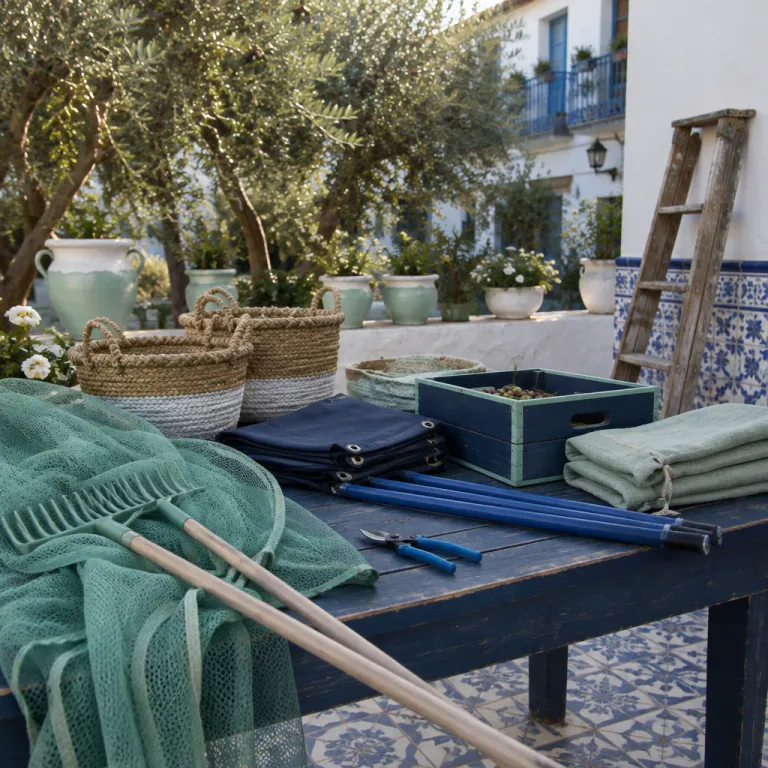
The rhythm is simple yet demanding ; each day starts early among the olive groves, when the fruit is still cool and the oil inside the olives is at its brightest. Estate teams move from olive tree to olive tree, laying nets on the ground while guests watch how a person with experience handles the tools that shake the branches. Children quickly understand that these trees are not just scenery but the engine of oil production across this part of Spain.
What makes the first olive oil of the season so prized is timing. The earliest harvest, often called aceite temprano, uses greener olives that yield less oil but far more aroma and a peppery extra virgin intensity. In a well run olive harvest experience hotel in Andalusia, staff will explain how these decisions shape the flavour of different olive oils and why oil producers guard their first pressing with near religious care.
For travellers, this is not a staged show but a working season. Over several days you will see tractors come and go, hear conversations about which olive grove to tackle next, and feel how every person on the estate is focused on the same goal. That shared purpose gives your stay a rare authenticity, especially if you usually visit Spain when the main activities revolve around beaches rather than trees.
What an estate based olive harvest stay really involves
An authentic olive harvest experience hotel in Andalusia builds your stay around the groves. Mornings might begin with a short walking tour through the nearest olive grove, where a guide explains how an olive tree is pruned, watered, and protected through the hot Spain andalusia summer. Children can touch the olives still on the branches and see how the ground is kept clear for the coming harvest activities.
Once the work starts, guests are usually invited to watch rather than work, which suits most luxury travellers. You stand between the olive trees as nets are spread on the ground, then see how olives are gathered and loaded for the oil visit at the mill. Some estates offer gentle hands on activities, such as helping to sort olives or joining a short tour of the machinery that turns fruit into vivid green olive oil.
The mill is where oil tourism becomes tangible. A good guide will walk you through each stage of oil production, including washing, crushing, and separating the oil from the paste. Families often find this part of the tour the most engaging, because every person can see, smell, and hear the transformation that leads to the first extra virgin liquid of the season.
No olive harvest stay is complete without a structured oil tasting. Expect to sample several olive oils, from robust early harvest extra virgin to softer styles, while learning how to warm the glass in your hand and assess aroma like a professional. Many hotels pair this tasting olive session with local bread and simple tapas, turning technical tours into relaxed late day activities that suit both adults and children.
For travellers who want to deepen the rural side of their trip, pairing an olive focused stay with other countryside experiences works beautifully. A number of inland properties collaborate with stables for gentle rides through cork forests and farmland, and you can read more about these equestrian experiences in Andalusia’s interior in our guide to horseback riding through the cork forests. Combining horses, olive groves, and cool weather pools creates a rounded autumn itinerary that still feels comfortably luxurious.
Where to base yourself: from Córdoba to deep olive country
Choosing the right olive harvest experience hotel in Andalusia starts with geography. The densest concentration of olive groves lies to the north and east of Córdoba, spilling into the province of Jaén, which is often described as the world’s largest continuous olive grove. Staying here places you within a short drive of working estates where olive trees cover every hillside and the ground between them glows silver at sunset.
Córdoba itself makes a refined base for travellers who want both culture and oil tourism. A morning walking tour near the historic centre can include a quiet approach to the Córdoba Mezquita, followed by an afternoon tour Córdoba style excursion into nearby olive country. This balance suits families who want one day of intense rural experience, then a day of city cafés, shaded patios, and child friendly museums.
Further south and west, pockets of olive country dot the landscape between Seville, Ronda, and the Subbética hills. Here, a rural hotel may sit above its own olive grove, with views that stretch across valleys of olive trees and small white villages. These properties often work with neighbouring oil producers to arrange private tours, oil tasting sessions, and an oil visit to a traditional mill that still respects the region’s rich history.
Autumn also pairs well with other inland escapes once the heat has eased. If you are planning several days in the mountains, our guide to late August in the Alpujarras offers a sense of how highland villages feel as the summer rush fades. Linking an olive focused stay in Spain andalusia with a few cooler nights in the Alpujarras gives your trip a layered texture, from oil production valleys to chestnut lined trails.
Why oleotourism works for families and how to time your stay
For a premium family, an olive harvest experience hotel in Andalusia offers rare alignment. Children get hands on activities in nature, parents enjoy serious olive oil education, and everyone eats well at the end of the day. The fact that most work happens outdoors among olive trees means that every person can move at their own pace, stepping back to the hotel terrace when younger travellers tire.
Timing matters if you want to see the olive harvest in full swing. In most lowland parts of Spain andalusia, the earliest picking starts in late October, with many estates running their busiest tours through November and sometimes into early winter. Booking at least a few days gives you a better chance of catching both grove work and an oil visit at the mill, especially if rain briefly halts activities on the ground.
Cooler temperatures also make this season ideal for pairing oil tourism with city breaks. You might spend one day in Córdoba on a focused tour Córdoba itinerary that includes the Córdoba Mezquita and nearby patios, then retreat to a rural hotel for two days of olive groves and oil tasting. On another trip you could base yourself at a refined coastal retreat, such as the property we review in detail in our guide to culture led luxury stays on the Andalusian coast, and then add inland tours as day trips.
When you compare options, look for hotels that treat olive oils as more than a welcome amenity. Menus that highlight local virgin olive and early harvest extra virgin, staff who can explain the difference between neighbouring oil producers, and concierges who arrange small group tours rather than mass visits all signal genuine commitment. These details turn a pleasant rural stay into a true oleotourism experience, where the region’s rich history in oil production becomes part of your family’s shared travel story.
FAQ
When is the best time to stay at an olive harvest hotel in Andalusia ?
The most reliable period for an olive harvest experience hotel in Andalusia runs from late October into November. In many valleys the earliest olives are picked first, then higher or cooler olive groves follow over several weeks. Booking flexible dates and staying at least three days increases your chances of seeing both grove work and milling.
Is an olive harvest stay suitable for children ?
Yes, many rural hotels in Spain andalusia design activities with families in mind. Children can walk safely between olive trees, watch how olives are collected from the ground, and join simple oil tasting sessions with bread instead of wine. Always check age limits for specific tours, because some mills restrict access to certain machinery areas for safety reasons.
How much direct participation in the harvest should I expect ?
Most luxury focused tours emphasise observation and gentle participation rather than hard labour. Guests usually watch professionals handle the olive harvest, then join short demonstrations such as shaking a small olive tree or helping to sort olives before the oil visit. If you want more hands on experience, ask your hotel in advance whether they collaborate with estates that welcome supervised guest help.
Can I combine olive tourism with city sightseeing in Córdoba or Seville ?
Combining oil tourism with urban culture works particularly well in this region. You can spend one day on a walking tour that includes the Córdoba Mezquita or Seville’s historic quarters, then take organised tours into nearby olive groves on the following day. Many hotels will arrange private transfers so that a person who prefers comfort does not need to drive after a long day of activities.
What should I look for when choosing an olive focused hotel ?
Prioritise properties that are either surrounded by their own olive grove or work closely with nearby oil producers. Signs of quality include structured oil tasting sessions, clear explanations of virgin olive and extra virgin styles, and small group tours of mills that respect both safety and tradition. Reading detailed reviews from trusted platforms and specialist sites helps you gauge whether the experience matches the promise.