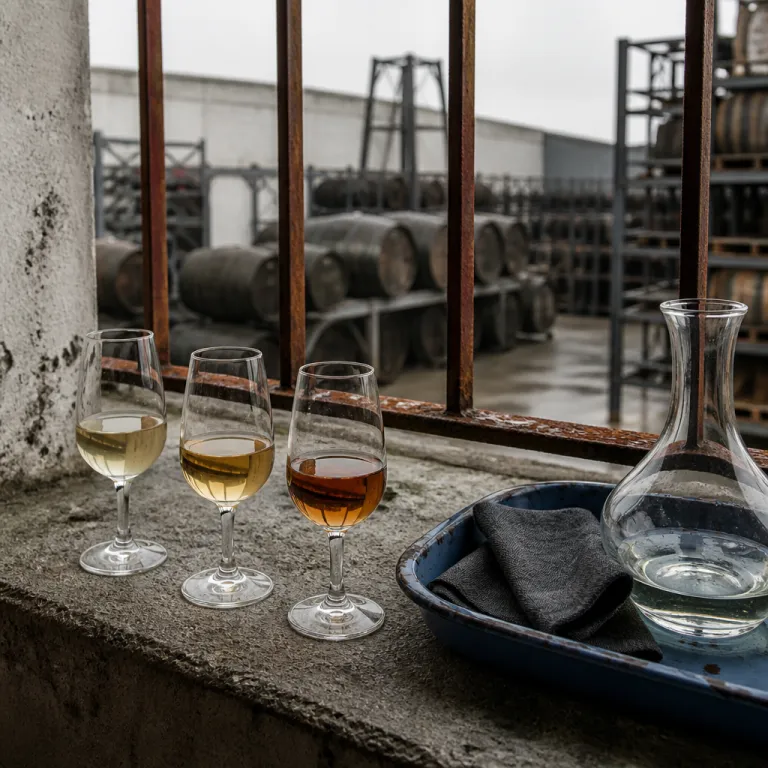
Sherry guide stay Jerez Sanlúcar accommodation: how to plan it
The most rewarding sherry-focused stay in Jerez de la Frontera, Sanlúcar de Barrameda and El Puerto de Santa María begins with geography. You are in a compact region of Andalusia in southern Spain where three towns define the sherry triangle and each town shapes a different style of sherry wine. Plan at least one full day in each city so that every tasting, every bodega visit and every hotel stay has room to breathe.
Jerez de la Frontera, Sanlúcar de Barrameda and El Puerto de Santa María sit within the province of Cádiz, close enough that a private driver will link them in under an hour yet different enough that each town feels like a separate chapter. The Consejo Regulador describes the sherry triangle as “an area in Andalusia, Spain, encompassing Jerez de la Frontera, Sanlúcar de Barrameda, and El Puerto de Santa María, known for sherry production.” Use that clear definition as your map when you compare hotels, tours and cultural hotspots across the region. A well designed triangle tour will usually start in Jerez de la Frontera, continue to Sanlúcar de Barrameda for manzanilla and finish in El Puerto de Santa María for coastal light and brandy heritage.
For a business leisure traveler extending meetings in Cádiz or Seville, the accommodation strategy is simple. Anchor yourself in one refined hotel in Jerez de la Frontera with strong concierge service, then add a second hotel in Sanlúcar de Barrameda or El Puerto de Santa María for a more relaxed final night by the Atlantic. This pattern lets you enjoy structured sherry tours by day, then return to a calm room where the only decision is whether your nightcap will be fino, amontillado or a glass of palo cortado from one of the nearby sherry bodegas.
Jerez de la Frontera: fino, oloroso and grand bodega hotels
Jerez de la Frontera is the working capital of Jerez sherry and the natural base for any sherry tour focused on education. The city holds some of the largest bodegas in the sherry region, including González Byass, home of Tío Pepe, and Lustau, both offering structured tours and serious tasting flights. Here the question becomes one of proximity to bodegas versus views of the town’s palm lined avenues.
The Parador de Jerez de la Frontera on Avenida Alcalde Álvaro Domecq, often around mid to upper four star rates, sits just above the historic center, with gardens that look across to the Alcázar and the cathedral, making it a strong choice for travelers who want resort style space yet easy access to the city. From this hotel a private driver will reach González Byass in minutes, where you can walk through cathedral like sherry bodegas and taste fino, amontillado and oloroso directly beside the aging casks. Another advantage of staying in Jerez de la Frontera is the network of tabancos, traditional standing bars where locals drink sherry wines from the barrel and where a short day sherry break between meetings feels entirely natural.
Use one full day Jerez schedule for a deep sherry tour that combines a morning visit to a historic sherry bodega, a lunch of jamón and local seafood with chilled fino, and an afternoon session focused on older oloroso and palo cortado. The best tours in Jerez de la Frontera balance production detail with cultural context, explaining how this city helped shape trade routes from Cádiz, often called the oldest city in Western Europe, to the wider world. Many bodegas open for guided visits in the late morning and again in the late afternoon, so plan your hotel check ins and transfers around those windows. For more on how heritage buildings across Andalusia become high end hotels, read this guide to Moorish fortresses converted into five star suites before you choose your preferred hotel style in Jerez de la Frontera.
Sanlúcar de Barrameda: manzanilla, sea air and riverside stays
Sanlúcar de Barrameda sits where the Guadalquivir River meets the Atlantic, and that maritime setting defines both its manzanilla and its hotel mood. The town forms the second point of the sherry triangle and is the only place where manzanilla, the most saline style of sherry wine, can legally be produced. For many travelers the decision turns on whether they want to wake up to church bells in Jerez de la Frontera or to the sound of waves in Sanlúcar de Barrameda.
Base yourself near Bajo de Guía, the waterfront strip of restaurants facing Doñana National Park, if you want to enjoy long lunches of langoustines and fried fish with chilled manzanilla. A refined small hotel in the upper town places you closer to historic bodegas like Barbadillo and Hidalgo, where guided tours explain how constant sea breezes influence the flor, the yeast layer that protects and shapes these sherry wines. One official answer to a common question captures the food pairing logic here perfectly; “What foods pair well with Manzanilla? Seafood, olives, and light tapas complement Manzanilla's delicate, saline character.”
Dedicate at least one full day sherry itinerary in Sanlúcar to walking between bodegas, the market and the riverfront, leaving time for a sunset glass on a terrace as fishing boats return. Many private tours now offer a combined triangle tour where a private driver will collect you from your hotel in Jerez de la Frontera, stop for a sherry tour tasting in Sanlúcar de Barrameda and then continue to El Puerto de Santa María. In one classic taberna near the market, regulars still order manzanilla by the caña and discuss the day’s catch, a reminder that this is a working town as well as a wine destination. If you appreciate intimate courtyards and historic townhouses, this feature on Córdoba’s patios in private hotels offers useful parallels when you compare Sanlúcar properties with similar Andalusian charm.
El Puerto de Santa María: coastal finos, brandy and resort comfort
El Puerto de Santa María, often shortened locally to Puerto Santa, completes the sherry triangle with a lighter, coastal expression of fino and a strong tradition of brandy. The town sits across the bay from Cádiz city, making it an appealing base if you want sherry bodegas by day and beach clubs by late afternoon. Many travelers fold El Puerto de Santa María into a broader itinerary as the final, most relaxed stop.
Here the hotel offer leans toward seaside resorts and converted mansions with easy access to both the marina and the old town. A good private driver will time your triangle tour so that you arrive in El Puerto de Santa María in the late afternoon, ready for a stroll through the city center before dinner. From Puerto Santa you can visit bodegas that focus on both sherry wine and brandy, then return to a room with a balcony facing the Atlantic, a glass of chilled fino in hand and the lights of Cádiz, sometimes called the oldest city in the Iberian Peninsula, flickering across the bay.
Allocate one day Jerez and one day in Sanlúcar de Barrameda, then reserve at least a half day in El Puerto de Santa María for a final sherry tour tasting and a walk along the beach. This balance works well for business travelers who may need to return quickly to meetings in Cádiz or Seville yet still want to enjoy the full region. For a broader view of how rising demand is reshaping high end stays across Andalusia, this analysis of record hotel demand and rising rates is essential reading before you lock in your preferred hotel and private tours.
Tabancos, pairings and why sherry remains underpriced
The sherry triangle is not only about formal bodegas and polished tasting rooms; it is also about tabancos, the standing bars of Jerez de la Frontera where sherry wines are poured directly from the cask. These spaces, often hidden on side streets, are where you feel how deeply sherry is woven into everyday life in the city. A thoughtful evening plan always leaves time for a tabanco crawl guided by a local expert or a well briefed concierge.
Use these nights to test pairings that go beyond the classic fino with jamón and manzanilla with shellfish. Amontillado, with its mix of biological and oxidative aging, handles grilled mushrooms and aged cheese, while oloroso stands up to slow cooked meats and richer sauces. One concise technical explanation is worth keeping in mind as you taste; “How is Amontillado different from Fino? Amontillado undergoes both biological and oxidative aging, resulting in a darker color and nuttier flavor compared to the lighter, fresher Fino.”
Sherry is widely regarded by many wine professionals as very competitively priced for its quality, with excellent bottles starting around a few euros in local shops, which makes upgrading your hotel or booking a private triangle tour a smarter place to spend. Many travelers now commission a custom sherry tour with a private driver who will collect them from their hotel in Jerez de la Frontera, arrange visits to two or three sherry bodegas and then drop them in Sanlúcar de Barrameda or El Puerto de Santa María for dinner. In one Jerez tabanco, a handwritten sign still reads “se fía el vino, no las penas” – roughly, “we’ll trust you for the wine, not for your sorrows” – a small joke that captures the region’s quietly luxurious way of life.
How to book luxury stays and sherry tours with confidence
Booking a luxury focused itinerary in the sherry triangle starts with clarity about your priorities. Decide whether you want to emphasize deep technical tastings, long lunches by the sea, or time in Cádiz city and Seville, then choose hotels that align with that rhythm. In this region, the right concierge and the right private driver will often matter more than an extra square metre of room space.
For executives extending a work trip in Spain, a practical pattern is to reserve a well located hotel in Jerez de la Frontera with strong meeting facilities and then add a quieter property in Sanlúcar de Barrameda or El Puerto de Santa María for the leisure extension. Many local tour operators now offer flexible sherry tours that can be adapted around conference schedules, with half day sherry tastings or evening visits to a flagship sherry bodega such as González Byass or Lustau. When you compare triangle tour options, look for guides who explain both the production methods and the cultural context, from annual sherry production volumes to the role of bodegas as employers in the region.
Always book key tours in advance, especially during major events, and wear comfortable shoes because even a short day Jerez itinerary can involve several kilometres of walking between bodegas. Check for interactive tasting formats that use proper glasses and spittoons, as these sessions tend to deliver more insight and better value. With thoughtful planning, your stay in the sherry triangle becomes more than a series of tastings; it turns into a coherent journey through a region where wine, city life and hotel culture are inseparable.
FAQ
What is the sherry triangle and why does it matter for hotel choice ?
The sherry triangle is the area formed by Jerez de la Frontera, Sanlúcar de Barrameda and El Puerto de Santa María in Andalusia, where all official sherry must be produced. Staying inside this region places you close to the key bodegas, tabancos and coastal restaurants that define sherry culture. It also shortens transfers between towns, which is crucial if you are combining business meetings with tastings and need to manage your time carefully.
How many days should I plan for a sherry focused trip ?
A focused yet comfortable itinerary usually requires at least three days, with one day in Jerez de la Frontera, one in Sanlúcar de Barrameda and one in El Puerto de Santa María. This allows time for guided tours, unhurried tastings and proper meals without rushing between towns. If you are adding Cádiz or Seville, consider extending to four or five days so that hotel check ins and transfers do not eat into your tasting schedule.
Should I book a private driver for sherry tours or rely on taxis ?
A private driver is strongly recommended if you plan to taste widely or move between several bodegas and towns in a single day. Distances are short but tastings can be generous, and having a dedicated driver improves both safety and efficiency. Many high end hotels in Jerez de la Frontera, Sanlúcar de Barrameda and El Puerto de Santa María work with trusted drivers who understand the region and can help fine tune your route.
What is the difference between fino, manzanilla and amontillado ?
Fino is a pale, dry sherry aged under a layer of flor yeast, usually associated with Jerez de la Frontera and El Puerto de Santa María. Manzanilla is a similar style produced only in Sanlúcar de Barrameda, where sea air gives it a more saline, delicate profile. Amontillado starts life as a fino but then undergoes additional oxidative aging, becoming darker and nuttier, which makes it particularly versatile at the table.
Do I need to book sherry bodega visits in advance ?
Advance booking is highly advisable, especially for English language tours and premium tastings at major bodegas such as González Byass, Lustau, Barbadillo or Hidalgo. Smaller producers may accept walk ins, but scheduled visits ensure you have a guide available and access to more extensive tasting flights. Booking ahead also helps you coordinate timings with your hotel and any private transport you arrange.