Planning a sherry bodega visit in Jerez and Andalusia
Sherry begins long before your first wine tasting in Jerez. During a sherry bodega visit in Jerez and Andalusia, the most revealing moments often happen in the vineyards at dawn. If you time your day for harvest season, your tours will feel less like a scripted experience and more like stepping into the working heart of southern Spain.
In the sherry triangle of Jerez de la Frontera, Sanlúcar de Barrameda and El Puerto de Santa María, bodega workers handpick grapes at optimal ripeness while winemakers oversee pressing and fermentation. Many producers still favor manual harvesting, which explains why a guided tour during vendimia feels so intensely human. According to harvest summaries from the Consejo Regulador de las Denominaciones de Origen Jerez-Xérès-Sherry, average picking dates have shifted roughly one to two weeks earlier over the last decade, so your visit in Jerez de la Frontera may now coincide with late August rather than a comfortably cool September day.
Luxury travelers planning a sherry tour should secure bodega visits and hotels together, not separately. Book your sherry bodegas appointments before confirming flights, then match the best wineries with properties that understand early starts, stained shoes and late sherry tasting sessions. For context on regulations that shape how wineries and hotels operate in Andalusia, read about what Andalusia’s new tourism law changes for hotel travelers before you confirm your stay.
Vendimia up close: from vineyard rows to the first sherry wine
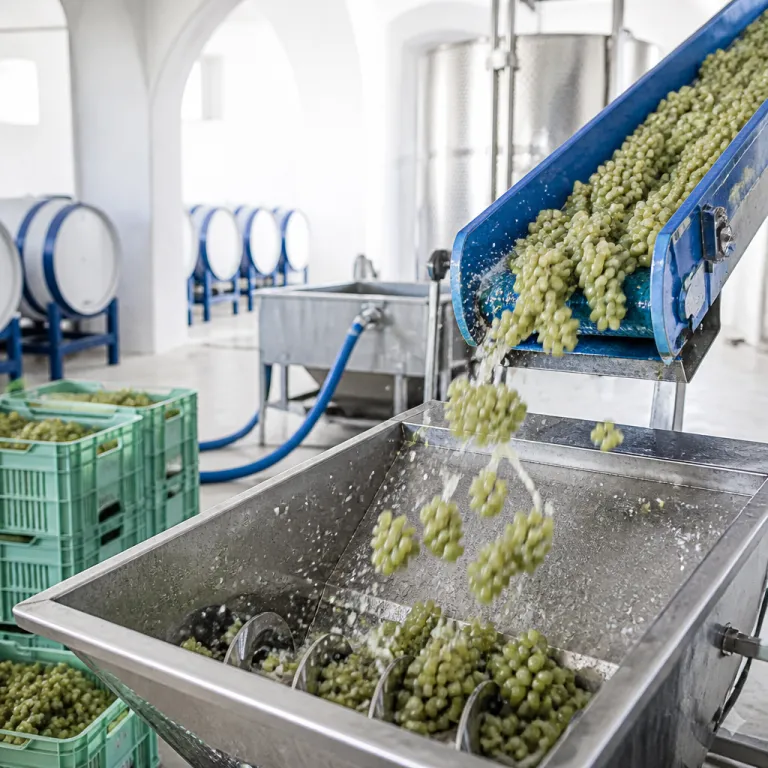
Harvest in Jerez is not a postcard; it is choreography. Grapes ripen in late August, harvest begins in early September, and pressing follows immediately so the future sherry wines never wait in the heat. The event is officially a grape harvest, but for visitors who plan their sherry bodega visit in Jerez and Andalusia around these dates, it becomes the most vivid wine experience of the trip.
You will see traditional wicker baskets carried between vineyard rows while modern pneumatic presses wait at the winery, a contrast that defines contemporary bodegas across the sherry triangle. Methods still favor handpicking grapes and immediate pressing post harvest, because optimal grape ripeness ensures quality and prevents premature fermentation that could ruin the wines. As one cellar explanation puts it without romance or marketing gloss: “Ensures grape integrity and quality,” a phrase you will hear repeated in different accents from Jerez to Sanlúcar.
Ask your guided tour host whether you can follow the grapes from truck to press, then into the cool cathedral like bodega where must begins its transformation into sherry wine. One veteran harvester in Jerez describes the rhythm simply: “We cut at first light, we press before lunch, and by evening the must is resting.” Some wineries offer special harvest tours that include a short stint alongside pickers, which turns a standard tour tasting into a grounded lesson in labor and timing. If you are extending a business trip, arrange a half day in the vineyards, then return to your hotel for a late sherry tasting before dinner in Jerez sherry country.
Inside the cathedral: criaderas, soleras and the quiet work of aging
Most visitors arrive expecting a simple wine tour and leave speaking the language of criaderas and soleras. The solera system is a fractional aging method where younger sherry wines are gradually blended with older ones across stacked rows of barrels called criaderas, creating consistency and depth over time. When your guided tour steps into the cool nave of a historic bodega, this is the quiet architecture you are really there to see.
In Jerez de la Frontera, González Byass and its famous Tío Pepe label offer one of the most polished sherry tours, where you will walk past endless rows of barrels that hold decades of accumulated character. Nearby, Bodegas Lustau shows how different microclimates within the same city shape sherry tasting profiles, while smaller wineries explain why some barrels sit closer to open windows for Atlantic influence. A well planned sherry bodega visit in Jerez and Andalusia should include at least one large house and one smaller bodega, so you can compare how each winery manages its solera and stores wine for future blends.
For travelers who prefer depth over spectacle, Bodegas Tradición in Jerez de la Frontera pairs its sherry wines with a serious Spanish art collection, turning a tour tasting into a cultural seminar. Over in El Puerto de Santa María, family run cellars near the waterfront show how humidity and sea breezes affect the wines, especially fino styles. When you book peak season hotel stays, use resources such as this guide to booking Andalusia’s hotels for July and August so your sherry tours remain relaxed rather than rushed.
Beyond the standard tour: tastings, food pairings and quiet corners
A basic sherry tour will show you barrels, pour three wines and send you back to the bus. Luxury travelers should aim higher, seeking sherry tasting formats that explain fino, manzanilla, amontillado and oloroso through food, context and time. The best wineries in the sherry triangle now design tasting flights that move from light to structured, pairing each sherry wine with a local bite.
In Sanlúcar de Barrameda, manzanilla thrives under Atlantic air, and wineries often pair it with tortillitas de camarones or chilled prawns on the waterfront. El Puerto de Santa María, sometimes shortened locally to Puerto Santa, leans into tuna and other Atlantic fish, which match beautifully with fino and young amontillado during a late afternoon wine tasting. In Jerez, richer oloroso and palo cortado shine alongside jamón ibérico and aged cheeses, turning a simple visit into a slow, layered experience that stretches across the day.
Ask for extended tour tasting options that include older sherry wines, single vineyard bottlings or comparative flights of different criaderas levels. Some sherry bodegas will arrange private guided tours before opening hours, allowing you to walk the bodega in silence and watch staff prepare for the day’s work. If you are planning a longer itinerary around wine in Spain, consider aligning your hotel choices with new high end openings highlighted in this overview of Andalusian hotels opening their doors this season, then build your sherry bodega visit in Jerez and Andalusia around those bases.
Where to stay for a sherry focused trip in Andalusia
Choosing the right hotel near the bodegas can elevate a sherry focused stay from pleasant to exceptional. In Jerez de la Frontera, restored palacios around the historic center place you within walking distance of González Byass, Bodegas Tradición, Bodegas Lustau and several smaller wineries. Ask the concierge to arrange a guided tour that starts early, so you can enjoy sherry tasting in the cool of the morning before the Andalusia sun dominates the day.
Sanlúcar de Barrameda offers elegant townhouses near the Bajo de Guía waterfront, ideal if your itinerary centers on manzanilla and seafood lunches between winery visits. El Puerto de Santa María and the wider Santa María coastline provide resort style properties with pools and beach access, useful when you want a relaxed afternoon after an intense sherry tour and wine tasting. Many luxury hotels will store wine for you temporarily, but for serious collectors it is wiser to ship directly from the bodega or use professional storage in Spain.
Business travelers extending a work trip should look for properties with late checkout, quiet lounges and flexible room service, because sherry tours often run longer than expected. When you plan a sherry bodega visit in Jerez and Andalusia, consider splitting nights between Jerez, Sanlúcar and El Puerto to experience the full sherry triangle rather than commuting back and forth. This triangle of cities, wineries and coastal light is where Jerez sherry culture feels most concentrated, and where the best wineries quietly shape the future of sherry wines while you sleep a few streets away.
FAQ
When is the best time of year to visit sherry bodegas in Jerez?
The most atmospheric period is harvest season, when grapes ripen in late August and picking begins in early September. During these weeks, a sherry bodega visit in Jerez and Andalusia lets you see both vineyard work and cellar activity in the same day. Outside harvest, spring and early autumn offer comfortable temperatures and quieter guided tours.
Why is handpicking still common in sherry vineyards?
Handpicking remains dominant because it protects grape skins and allows workers to select only bunches at optimal ripeness. This care is crucial for producing high quality must that will later become sherry wine through the criaderas and soleras system. Mechanical harvesters are used more often now, but the finest plots around Jerez de la Frontera still rely heavily on manual work.
How long should I plan for a sherry focused day in the sherry triangle?
Allow a full day if you want to visit two bodegas and enjoy proper wine tasting with food. A typical schedule might include a morning guided tour and tasting in Jerez, a long lunch, then an afternoon visit in Sanlúcar de Barrameda or El Puerto de Santa María. If you prefer a slower pace, spread three or four wineries across two days and keep evenings free for tapas and rest.
Can I bring children on a sherry bodega tour?
Many bodegas in the sherry triangle accept children on daytime tours, especially during harvest when vineyard visits feel more educational than indulgent. However, wine tasting is reserved for adults, and some wineries limit access to certain areas for safety reasons. Check each bodega’s policy in advance and choose earlier time slots, when the atmosphere is calmer.
How should I transport bottles bought during my visit?
Most wineries can pack bottles securely for air travel, but airlines have strict limits on liquids in hand luggage. For larger purchases, ask the bodega to ship directly to your home or to a specialized store wine facility in Spain. If you are moving between several cities in Andalusia, keep only a few carefully wrapped bottles with you and let the rest travel separately.