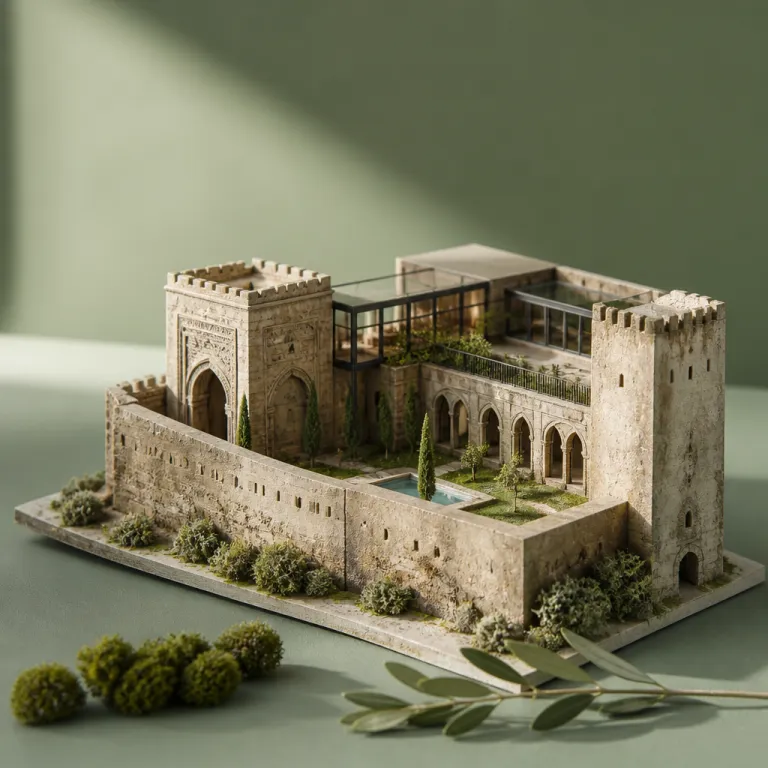
Heritage hotel conversion in Andalusia, Spain: sleeping inside history
Heritage hotel conversion in Andalusia, Spain is not a marketing slogan. It is a long, complex negotiation between stone, sunlight and the expectations of a guest arriving from New York or Singapore. When you book a hotel in southern Spain today, you are often choosing whether your room sits inside a former convent, a Moorish fortress or a restored 18th century palace.
Across Andalusia, local hoteliers and international hotel brand groups work with government regulators to adapt historic hotels without hollowing out their soul. The regional authorities classify many buildings as Bien de Interés Cultural (BIC) under Spain’s Ley 16/1985 del Patrimonio Histórico Español, which means every new cable, lift shaft or spa must respect protected arches, patios and azulejos. As a conservation officer in Seville explained in a 2022 regional briefing, “interventions must be reversible and legible, so the original fabric always remains the protagonist.” This is why historic hotels can feel both intensely atmospheric and, at times, less flexible than contemporary luxury properties built from scratch.
The region now counts dozens of heritage hotels spread from Seville to Marbella and along the Costa del Sol, including more than a dozen Paradores across Andalusia alone out of the roughly 100 in the national network. Cultural heritage conversion has clear objectives; it preserves architecture, supports local artisans and responds to rising demand from tourists who want more than a standard room key. As one official summary from Paradores de Turismo puts it, these are “hotels located in restored historic buildings” that allow guests “to experience history with modern comforts,” with prices that “vary according to category and uniqueness of each property.”
For the traveler, the question is simple yet nuanced. When you travel Andalusia for business or leisure, should you choose a conventional city hotel or a heritage hotel carved out of a former casa palacio or palacio once owned by nobility? The answer depends on how much you value narrative, courtyard light and the quiet thrill of sleeping where a different century once unfolded.
Parador de Granada and the Alhambra: fortress walls, cloister calm
Few places express the logic of heritage hotel conversion in Andalusia as clearly as the Parador de Granada. The hotel occupies part of a former Nasrid palace and later Franciscan convent inside the Alhambra complex, so your check in happens within fortifications that once guarded an empire. For architecture focused travel, this is not just a hotel; it is a front row seat on several layers of Spanish history.
Rooms look onto cloister gardens where cypresses frame the Sierra Nevada, and the restaurant opens to terraces that float above the Generalife. Because the building is protected as a BIC monument and forms part of a UNESCO World Heritage Site, the operators cannot simply knock through walls to create vast suites or add a rooftop pool, which explains why some rooms feel modest in size compared with other luxury hotels in southern Spain. What you gain instead is proximity; you wake before the day trippers arrive and walk the palace courts in near silence.
Staying here also illustrates the economics of heritage hotels in Andalusia. Restoration requires specialist craftspeople, from plasterwork experts to carpenters who can stabilise centuries old beams without erasing their patina. According to figures shared by Paradores in press interviews, converting or upgrading a historic property can easily run into several million euros over a multi year programme, and that investment, combined with the unique location, justifies rates that often exceed those of standard hotels in Granada, yet guests consistently rate the experience as worth the premium.
Active travelers can pair a night at the Parador with a weekend of hiking or climbing, using the city as a soft landing between mountain trails. If you are planning an itinerary that mixes heritage hotels with outdoor adventure, look at guidance on how to pillow an active weekend around the Caminito del Rey. The contrast between fortress stone and gorge side boardwalks captures exactly why travel Andalusia rewards those who balance culture with movement.
Seville’s palacios reborn: from casa palacio to urban retreat
Seville is where adaptive reuse of historic buildings becomes almost an urban sport. Walk through the historic centre and you pass one casa palacio after another, their heavy doors hiding tiled patios that now belong to discreet hotels Seville guests book months in advance. These former aristocratic homes, sometimes a full century palace, are the backbone of the city’s most characterful luxury hotels.
Hotel Palacio de Villapanés is a benchmark example, a palacio that has evolved into a refined hotel without losing its Andalusian identity. Opened as a luxury property in the early 2010s, it welcomes guests through a marble floored courtyard, then up to rooms where contemporary design plays against carved wooden ceilings and original balconies. The tension between heritage and comfort is handled with care; bathrooms are generous, air conditioning is silent and the rooftop pool looks across a skyline of bell towers rather than glass towers.
Nearby, Hospes Palacio del Bailío in Córdoba follows a similar script, layering Roman ruins, Renaissance frescoes and a calm urban garden into one coherent hotel. These properties show how a thoughtful hotel brand can create a collection of historic hotels that feel related without becoming clones, much like a Mediterranean answer to Relais & Châteaux. If you are comparing options, a heritage hotel in Seville or Córdoba will usually trade some room size for atmosphere, but the courtyards, salons and libraries become your extended private space.
New projects keep pushing the conversation. A planned Thompson Hotels opening in Seville, reported in Spanish hospitality media as a conversion of a former National Police station into a roughly 100 room property, will test how a mid century civic building can join the city’s informal relais chateaux circuit. For a sense of how these choices play out in another Andalusian city, study where to stay in Granada’s old quarter through this guide to sleeping in the historic quarter beyond the Alhambra ticket.
From casa to costa: palacios, fondas and coastal conversions
Heritage hotel conversion in Andalusia, Spain is not confined to royal palaces and fortress walls. Across smaller towns you still find the fonda, a traditional inn that once hosted mule drivers and merchants, now reimagined as a fonda heritage style property with polished service. These buildings tend to be more intimate than a grand palacio, yet they often deliver the most direct contact with local life.
On the Costa del Sol, the story shifts again as former villas and seaside casas become luxury hotels that bridge beach culture and historic architecture. In Marbella, for example, several hotels occupy restored century townhouses in the casco antiguo, where whitewashed facades hide patios scented with jasmine. Guests who usually default to large resorts along the Costa del Sol strip are increasingly choosing these smaller heritage hotels for their walkable access to tapas bars and plazas.
Names like Fonda Heritage or Casa Palacio Don Ramón in Seville signal this blend of past and present. At a property such as Palacio Don Ramón, which opened after a meticulous restoration in the early 2020s, you might check into a suite where coffered ceilings and original doors frame a space furnished with contemporary design pieces and high tech lighting. The result is a kind of urban relais chateaux experience, even if the hotel is not formally part of the Relais & Châteaux network.
For business travelers extending a stay, these hotels offer a useful compromise. You can hold meetings in a quiet private salon, then step straight into streets that still follow medieval lines rather than modern grids. When you travel Andalusia for work, choosing a casa palacio or fonda over a generic tower hotel can turn a routine trip into a short course in southern Spain’s social history.
What guests gain, what they trade: pricing, comfort and authenticity
Choosing a historic hotel in Andalusia means accepting a different set of trade offs than in a new build tower. You gain narrative, architectural drama and locations that put you inside the historic core rather than on its edge. You may trade away some predictability, from room shapes carved around ancient stairwells to soundscapes that include church bells and courtyard fountains.
The economics behind these properties explain their pricing. Restoring a century palace or fortress into a hotel requires structural reinforcement, custom made windows, climate control that respects thick stone walls and often archaeological supervision, all of which raise costs compared with standard hotels. For mid range heritage properties, typical nightly rates might start around €150–€200 in shoulder season, while landmark addresses inside major monuments can climb well above €400 at peak times. When you see rates at a heritage hotel that match or exceed those of larger luxury hotels, you are paying for low room counts, high staffing levels and the ongoing maintenance of fragile materials.
From an architecture critic’s perspective, the most successful heritage hotels are those where contemporary design feels like a respectful guest rather than an intrusive host. Minimalist furniture can sit comfortably under a painted ceiling if the proportions are right and the lighting is warm, while overdesigned spaces risk turning a palacio into a stage set. Guests should look for signs of restraint; original tiles left visible, courtyards kept open to the sky, and public rooms that still read as salons rather than anonymous lounges.
To deepen the experience, pair your stay with encounters that connect the building to its wider landscape. A night in a Jerez casa near the old walls, for example, aligns beautifully with a visit inside a working sherry bodega, especially if you follow guidance from this insider look at what visitors rarely see during harvest. In the end, the best heritage hotels in southern Spain feel less like themed accommodation and more like living chapters in a still unfolding story.
How to choose your heritage stay in Andalusia
Approaching heritage hotel conversion in Andalusia, Spain as a traveler means asking precise questions before you book. Start with location; decide whether you want to wake inside Seville’s historic grid, within Alhambra walls, in a Marbella backstreet or along a quieter stretch of the Costa del Sol. Then look closely at room categories, because in historic hotels two rooms in the same category can differ significantly in layout and light.
Next, consider how you like to travel Andalusia in terms of rhythm. If you plan long days of meetings or excursions, a hotel with a generous spa or pool may matter more than a rare fresco in the stairwell, while culture focused trips might prioritise a casa palacio with direct access to museums and flamenco tablaos. Always check whether the property offers genuinely private outdoor space, such as a terrace or patio, if you value quiet time away from the lobby.
Finally, read between the lines of each hotel brand description. Phrases like “historic hotels collection” or “heritage hotels of Spain” can signal a curated approach similar to Relais & Châteaux, where service standards and design philosophy align across different addresses. When you see terms such as boutique or hotel boutique used loosely, focus instead on concrete details; ceiling heights, courtyard access, materials and how the hotel explains its restoration choices.
Booking well ahead is wise, especially for peak seasons when heritage hotels with only a few dozen rooms fill quickly. Remember that these properties sit at the intersection of preservation and hospitality, so a request for a specific view or room shape may not always be possible. If you arrive with that understanding, the reward is a stay where every corridor, staircase and patio quietly reminds you that centuries of Andalusian life unfolded here long before your key card ever touched the reader.
FAQ
What exactly is a heritage hotel in Andalusia?
A heritage hotel in Andalusia is a property housed in a restored historic building, such as a former palace, convent, fortress or traditional casa. These hotels preserve original architectural elements while adding modern comforts like climate control, high quality bedding and updated bathrooms. They are designed so guests can experience local history as part of their stay rather than as a separate museum visit.
Are heritage hotels in Andalusia more expensive than regular hotels?
Rates at heritage hotels often sit above those of standard city hotels because restoration and ongoing maintenance are costly. Converting a protected building requires specialist craftspeople, structural reinforcement and careful integration of modern systems, all of which increase operating expenses. That said, prices still vary widely, and travelers can sometimes find good value in smaller fondas or casas outside the most famous city centres.
What are the main benefits of staying in a converted palace or fortress?
The primary benefit is immersion; you sleep inside the architecture and atmosphere that define southern Spain, from Moorish courtyards to Renaissance staircases. Locations are usually exceptional, placing you within walking distance of major monuments, tapas streets and local markets. Many guests also value the sense of story, as each room and patio carries traces of the building’s previous lives.
Are there any drawbacks to heritage hotel conversion for guests?
Guests sometimes encounter smaller or irregularly shaped rooms, especially in buildings where protected walls cannot be moved. Accessibility can be more complex, with some upper floors reached by a combination of lifts and short staircases rather than a single modern core. Noise from church bells or lively streets may also be more present than in purpose built business hotels on the city fringe.
How far in advance should I book a heritage hotel in Andalusia?
Because many heritage hotels have relatively few rooms and strong international demand, booking several months ahead is advisable for peak spring and autumn periods. Paradores inside major monuments and centrally located palacios in Seville or Granada can sell out quickly around holidays and festivals. For quieter months, you may find more flexibility, but early planning still gives you the best choice of room types and views.