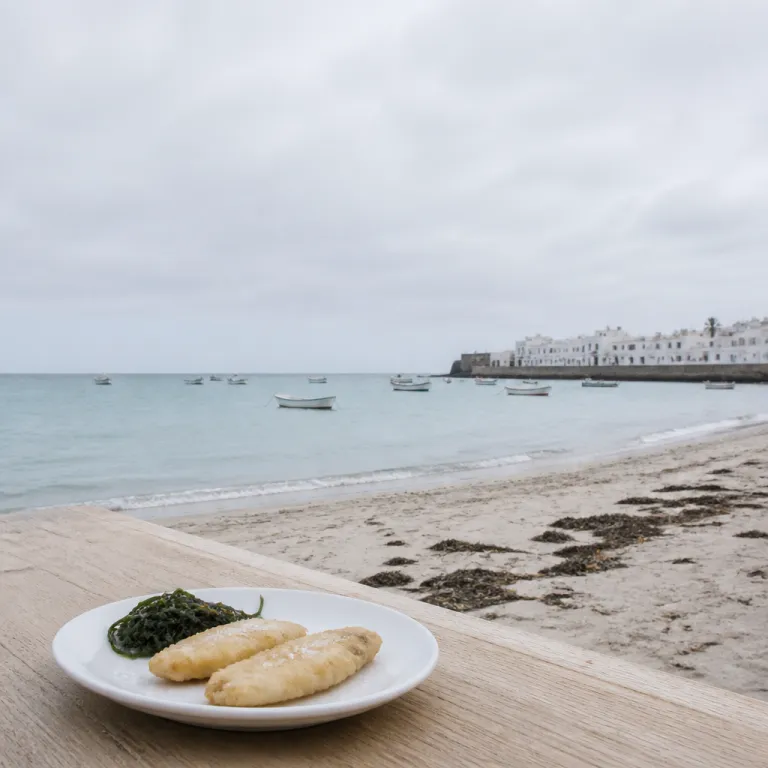
Where to eat Cádiz seafood restaurants for pescaíto frito
Start by asking yourself where to eat in Cádiz if you want some of the lightest fried fish in Spain. In this Atlantic city, local chefs and fishermen work in quiet tandem, turning the daily catch of fish into pescaíto frito that tastes as if it has barely left the sea. The result is a beautiful, almost weightless style of frying that lets you enjoy seafood without heaviness.
The method is precise rather than secret, and it defines how this Spanish coastal city handles food. Traditional freidurías use olive oil and a special local flour, keeping the batter whisper thin so every piece of fish, from tiny boquerones to chubby cazón, stays crisp outside and juicy inside. When you sit down in a classic seafood restaurant near the Mercado Central de Abastos on Plaza de la Libertad, order mixed fried seafood platters and notice how each fish tastes distinct, not buried under batter.
Local culinary tradition explains why Cádiz is often mentioned among the best Spain destinations for seafood lovers. A long Atlantic coastline and sustainable fishing practices mean the restaurant supply is constant, so the pescaíto frito you eat at lunch was often landed that same morning. If you want a practical rule, choose restaurants that smell clean, display fresh fish on ice and attract local families rather than only tourists; in Cádiz city, a generous ración of fried fish in a freiduría usually costs around €10–€15.
To understand the culture behind this food, listen to how locals describe it. One of the most common questions visitors ask is, “What is 'pescaíto frito'?” and the answer from Cádiz is simple and proud: "Lightly fried small fish, a Cádiz specialty." As one veteran fryer at Freiduría Las Flores near the market puts it, “If you still taste the sea after the crunch, we’ve done our job.” That short line captures why the city’s relationship with the sea feels both everyday and quietly wonderful.
From almadraba tuna to oysters: tasting the Atlantic on a plate
If you care about the best seafood restaurants in Cádiz for serious produce, follow the trail of atún rojo de almadraba. This bluefin tuna comes from an ancient trap system along the coast near Barbate and Zahara de los Atunes, and the best restaurants in the city treat it with almost ceremonial respect. You will see tuna appear as sashimi like slices, slow cooked stews and grilled cuts that let you taste sea depth in every bite.
In Cádiz, tuna is not just another fish on the menu, it is a seasonal event that shapes how chefs plan their food. According to the Organización de Productores Pesqueros de Almadraba, the main fishing season usually runs from roughly April to June, and many Spanish kitchens in the old town build entire tasting menus around different parts of the tuna, from lean cola blanca to rich ventresca, pairing them with sherry reductions or seaweed salads. Ask your restaurant for the almadraba origin and you will quickly sense which places are serious about product and which are simply using the word tuna as decoration.
The Atlantic also brings oysters, clams and other shellfish that appear in both humble tapas and refined plates. At a relaxed tapas bar in La Viña, you might stand at the counter with a glass of manzanilla and a plate of raw oysters, then move to a seated restaurant nearby for a more elaborate seafood rice. Classic spots such as Casa Manteca on Calle Corralón de los Carros in La Viña or El Faro de Cádiz in the Mentidero area show how the same ingredients can feel either boisterous and informal or quietly elegant, and this mix of casual and polished experiences is why many couples choose Cádiz over larger Spanish cities when they want to enjoy a romantic weekend focused on the sea.
Breakfast matters too when you are planning a luxury stay around gastronomy. Several premium hotels in the historic center now compete to offer generous morning spreads in a distinctly Spanish style, where smoked tuna, marinated fish and local cheeses sit beside still warm bread. In many four and five star properties, breakfast buffets with seafood options typically run from around 8:00 to 11:00 and are often included in room rates, making them a delicious way to start a day of exploring Cádiz food culture.
La Viña, Santa María and the Mercado Central: neighborhoods that eat the sea
Understanding where to eat in Cádiz also means choosing the right neighborhood. La Viña, once a humble fishing quarter, is now the city’s most atmospheric area for tapas, with narrow streets that fill each evening as plates of fried fish and tuna skewers move from bar to bar. Couples can wander between one tapas bar and the next, sharing small dishes and a chilled glass of fino at every stop.
Santa María offers a different rhythm, quieter and more introspective, with creative restaurants that reinterpret traditional food without losing the essence of the sea. Here you might find oysters dressed with sherry vinegar and seaweed, or a refined version of tortillitas de camarones, those lacy shrimp fritters that show how Cádiz uses both salt and seaweed to build flavor. The question is not only where to eat, but how you want to feel while you eat, and Santa María rewards those who prefer slow dinners to noisy crowds.
By day, the Mercado Central is the city’s open textbook on seafood. Stalls overflow with fish, tuna, shellfish and glistening oysters, while local chefs and home cooks choose their ingredients under the same high roof. If you want to enjoy a truly local experience, arrive early, around 9:00, watch the buying ritual, then step outside to one of the surrounding restaurants that cook what you have just seen on ice.
Evenings often end above the rooftops, where the Atlantic breeze softens the heat of the city. Several high end hotels now offer rooftop terraces that pair cocktails with small seafood plates, letting you taste sea flavors while watching the light fade over the cathedral. If views matter as much as food, look for central properties with terraces facing the bay or the domes of the old town, and plan a final drink there after a wonderful dinner of Cádiz seafood and tapas.
Sherry, seaweed and salt: the quiet architecture of Cádiz flavor
The cuisine of Cádiz is built on three quiet pillars: salt, seaweed and sherry. Local chefs use sea salt not only to season fish and seafood, but also to cure tuna and other fish in ways that intensify their natural character. Seaweed, once considered a marginal ingredient, now appears in broths, salads and even light batters, adding a subtle iodine note that makes every bite taste closer to the sea.
Sherry, especially fino and manzanilla, is the third essential element in this architecture of flavor. Many Spanish sauces in Cádiz start with a splash of these wines, which bring dryness and complexity to dishes like clams a la marinera or slow cooked tuna cheeks, and the same wines then appear in your glass, creating a beautiful echo between plate and drink. When you sit down in a serious restaurant, ask how sherry is used in the kitchen, and you will quickly see which places understand the local grammar of taste.
The city’s culinary tradition has deep roots, and it continues to evolve without losing its core. Studies cited by Spain’s Ministry of Agriculture and regional fisheries bodies regularly place Andalusia among the country’s highest seafood consuming regions, and local tourism data for Cádiz echo that strong appetite for fish. That intensity of demand supports a dense network of restaurants, tapas bars and markets, where innovation such as incorporating seaweed into dishes sits comfortably beside the most traditional fried fish.
For travelers who like to balance indulgent dinners with restorative rituals, Cádiz also connects naturally to Andalusia’s broader culture of wellness. A stay in the city pairs well with a visit to a refined hammam in nearby destinations such as Jerez de la Frontera or El Puerto de Santa María, where Moorish bathing traditions meet contemporary spa design and help reset the body after long days of eating and walking. Returning to Cádiz after a slow afternoon in warm water and steam, you will be ready for another evening of seafood, sherry and delicious tapas.
Luxury stays, on site dining and a realistic budget for Cádiz
Choosing where to eat in Cádiz becomes easier when you anchor your plans around a well located hotel. In the old town, several luxury and premium properties now feature on site restaurants that work closely with local markets, turning daily deliveries of fish, tuna and oysters into tasting menus that feel both refined and deeply Cádiz. Staying in these hotels means you can enjoy long dinners without worrying about taxis or late night walks through unfamiliar streets.
For couples, this combination of comfortable rooms and serious food often defines the perfect weekend. You might spend the day exploring La Viña and Santa María, grazing on tapas and fried fish, then return to your hotel restaurant for a quieter meal built around seasonal seafood and thoughtful sherry pairings. Many of these properties also offer concierge teams who know exactly which external restaurants and tapas bars are worth your time, and which are coasting on the city’s reputation.
Budget in Cádiz stretches further than in many coastal cities in Spain, especially if you mix formats. A typical day could start with coffee and tostada in a simple casa de comidas for around €3–€4, continue with a standing lunch at a market tapas bar, then end with a wonderful dinner in a fine dining restaurant that still feels relaxed rather than formal. Chiringuitos on nearby beaches offer grilled fish and casual seafood at fair prices, while tabernas in the city center provide more traditional settings with wooden barrels and handwritten menus.
To stay connected with the evolving dining scene, consider joining a curated weekly newsletter focused on Andalusian hospitality. It is an efficient way to track new restaurants, seasonal tuna menus and emerging chefs without drowning in generic travel content. That same insider approach can guide your hotel choices, helping you find properties that respect the local rhythm of the sea and the table and make it easy to enjoy the best seafood in Cádiz.
FAQ
What is pescaíto frito and why is it special in Cádiz ?
Pescaíto frito refers to lightly fried small fish, usually coated in a very fine flour and cooked quickly in hot olive oil. In Cádiz, the technique is especially refined, producing crisp fish that remains moist inside and never feels greasy. Local tradition describes it clearly: "Lightly fried small fish, a Cádiz specialty."
Where should I stay in Cádiz for easy access to good seafood ?
For the best access to seafood restaurants, stay in the historic center near La Viña, Santa María or the Mercado Central. These areas place you within a short walk of both casual tapas bars and more formal restaurants that focus on fish, tuna and oysters. Several luxury hotels here also run serious in house kitchens, so you can enjoy high quality seafood without leaving the property.
How can I eat well in Cádiz on a moderate budget ?
Mixing formats is the key to eating well without overspending. Use freidurías and market stalls for affordable fried fish and simple seafood plates at lunch, then choose one or two special restaurant dinners during your stay. Chiringuitos on nearby beaches and traditional tabernas in the city center also offer good value, especially if you share tapas instead of ordering full courses.
When is the best time to eat almadraba tuna in Cádiz ?
Almadraba bluefin tuna is seasonal, with the main fishing period typically concentrated in late spring and early summer. Industry groups such as the Organización de Productores Pesqueros de Almadraba usually place the core season between April and June, and during these weeks many restaurants in Cádiz and along the nearby coast build special menus around different cuts of tuna. Outside that window, you will still find tuna dishes, but the full almadraba experience is closely tied to the traditional fishing season.
Are reservations necessary for popular seafood restaurants in Cádiz ?
Reservations are strongly recommended for well known seafood restaurants, especially on weekends and during local holidays. Tapas bars often accept walk ins, but tables at high demand places in La Viña and Santa María fill quickly after sunset. Booking ahead ensures you can enjoy the restaurants you really want rather than settling for whatever has space.