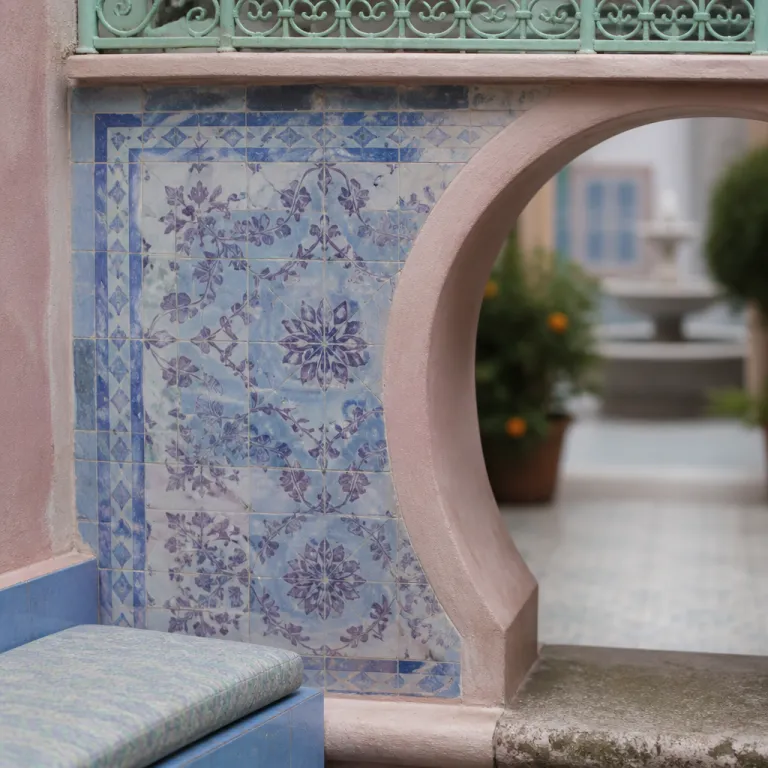
Reading andalusia regionalist design hotels architecture in the city streets
Walk through Seville city and you feel how andalusia regionalist design hotels architecture frames every corner. The façades of a grand hotel building near the capital’s historic center often echo the same architectural language as nearby civic monuments, with patterned brick, glazed azulejo panels and horseshoe arches that reference an older Andalus yet feel resolutely urban today. This is not nostalgia for its own sake ; it is a deliberate architecture design strategy that turns each building into a chapter in the city built story.
Regionalist architecture in Andalusia emerged as a response to rapid modernization, reclaiming local materials and forms rather than importing anonymous international style templates. In Seville, where the city built its identity around major exhibitions and public works, architects used brick, tile and wrought iron to create hotels whose architecture built on Moorish, Renaissance and Baroque precedents without copying them blindly. When you book a luxury hotel in this context, you are not just choosing rooms and a swimming pool ; you are choosing an architectural identity that tells story after story as you move from lobby to patio.
Look closely at the decoration on a hotel building cornice or the rhythm of balconies on a corner building and you will see how carefully this period blended comfort with spectacle. Many hotels were built with deep loggias, shaded galleries and interior courtyards that temper the Andalus heat, turning architecture into climate control long before solar panels or mechanical cooling became standard. For travelers comparing hotels in the capital or in a smaller city, understanding this regionalist style helps you read which building hotel has preserved original character and which one relies on generic décor that could sit in any European city.
From neo Mudéjar arches to tiled patios: the grammar of regionalist style
Neo Mudéjar is the most instantly recognizable face of andalusia regionalist design hotels architecture, especially in Seville city where brick towers and polychrome tilework punctuate the skyline. In a well considered luxury hotel, this architectural language appears in pointed or horseshoe arches, intricate brick patterns and coffered ceilings that frame circulation spaces rather than overwhelm them. The best hotels use these architectural elements sparingly, allowing light, proportion and a clear floor plan to keep the experience elegant rather than theatrical.
Inside, the classic Andalus patio becomes the emotional heart of the building, and its architecture built around water, shade and sound shapes the guest experience from morning to late evening. Rooms often open onto galleries that overlook a central courtyard, where azulejo benches, carved stone columns and local planting create a microclimate several degrees cooler than the surrounding city. For couples choosing between different hotels, this courtyard centered plan can matter more than any single piece of decoration, because it dictates how you move, where you pause and how you share quiet moments away from the streets.
Regionalist design also extends to rural properties, where a cortijo or former palace outside Seville or near the Sierra Nevada might reinterpret the same style with thicker walls, limewashed surfaces and simpler brick detailing. Here, the architecture design language is softer, but the same principles apply ; the building hotel wraps around protected outdoor rooms, and the transition between interior salons and arcaded terraces feels seamless. If you are interested in how this compares with more stripped back contemporary approaches, look at how minimalist architecture is reshaping rural retreats in Andalusia through this guide on minimalist architecture in the rural hotel scene, then decide which style best matches your own idea of luxury.
Courtyards, water and light: how architecture shapes the guest experience
In andalusia regionalist design hotels architecture, the courtyard is not a decorative afterthought ; it is the organizing device that quietly choreographs your stay. A thoughtful floor plan will lead you from a shaded entrance zaguán into a patio where the temperature drops, the sound of a fountain replaces traffic and the city’s intensity dissolves. That first transition tells story after story about how Andalus culture has always used architecture built around water and shade to make hot summers not just bearable, but pleasurable.
Many luxury hotels in Seville city and other Andalus capitals now combine this traditional logic with contemporary comforts, from discreetly integrated swimming pool courtyards to spa areas tucked behind arcades. When architects respect preserved original structures, they can insert new wellness zones or rooftop pools without erasing the building’s architectural identity, using materials like lime plaster and terracotta to keep the thermal mass working in your favor. For a deeper dive into how historic water management informs modern comfort, the analysis of Moorish engineering and hotel design in the article on Moorish water management and hotel architecture is essential reading before you book.
Light is the other silent protagonist in these hotels, filtered through wooden shutters, latticework and deep reveals that soften glare while preserving views of monuments and city roofs. In a well designed hotel building, you will notice how circulation spaces stay dim and cool, while salons and some rooms open dramatically to the sky at specific times of day, aligning with the local rhythm of siesta and late dinners. When you evaluate photos on social media or booking platforms, look for this choreography of light and shadow rather than just isolated design objects ; it is the surest sign that the architecture design, not just the furniture, is doing the real hospitality work.
Authentic period detail versus pastiche: how to choose with confidence
Not every property that markets itself around andalusia regionalist design hotels architecture offers the same level of authenticity, and discerning travelers quickly learn to separate substance from surface. Authentic period hotels usually occupy a building hotel that was originally constructed in the early twentieth century or earlier, with structural brickwork, timber beams and staircases that feel integral rather than applied. In these cases, preserved original features such as azulejo dados, carved doors or wrought iron balconies are part of the hotel building’s bones, not recent decoration added to chase a trend.
Pastiche properties, by contrast, often rely on a thin layer of regionalist style motifs pasted onto a generic concrete shell, with arches that do not correspond to any real structural logic and tiles used only as Instagram backdrops. When you study photos, check whether the architectural elements align with the floor plan ; do arches frame real thresholds, or are they stuck onto flat walls, and does the courtyard serve as a climatic device or just a photo opportunity for social media. A genuine luxury hotel in Andalus will usually show depth in its architecture built story, with layers of adaptation over time rather than a single recent makeover.
Materials offer another clear clue, especially in rural hotels or properties near the Sierra Nevada where climate demands serious construction. Thick masonry walls, lime plaster and traditional brick vaults signal a building that was built to last, while thin partitions and over reliance on mechanical cooling suggest comfort is being engineered rather than embedded in the architecture design. When in doubt, ask the property directly about the period of the building, any major interventions and whether an architect specialized in regionalist or neo Mudéjar architecture was involved in the latest renovation ; serious hotels will be proud to share these details.
Design led booking: making the building part of your story
For couples planning a romantic stay, treating andalusia regionalist design hotels architecture as a primary filter can transform how you choose where to sleep. Start by deciding whether you want to be in the capital, close to major monuments and the dense fabric of Seville city, or in a rural setting where the building hotel might be a former cortijo with long views towards the Sierra Nevada. In both cases, the key is to see the hotel not just as accommodation, but as a building that tells story after story about Andalus culture, climate and craft.
Pay attention to how the hotel describes its rooms and shared spaces, looking for references to preserved original features, specific architectural elements and a coherent architectural language rather than vague mentions of "charm". A serious luxury hotel will often highlight how its architecture built identity shapes the guest experience, from breakfast served in a tiled patio to evening drinks under coffered ceilings or beside a discreet swimming pool courtyard. If sustainability matters to you, ask how the architecture design integrates passive cooling, shading and, where appropriate, solar panels without compromising the period character.
When you browse images or reviews on social media, look beyond the usual boutique hotels clichés and focus on how people move through the building, how light falls and how interior decoration relates to the underlying structure. Properties that respect their architectural identity tend to age gracefully, remaining relevant today without chasing every trend, and they often feel more romantic precisely because the city built story is legible in every corridor. For more ideas on how thoughtful indoor spaces can shape your stay during the hottest months, the guide to cool indoor hotel spaces in Andalusia offers practical inspiration for design minded travelers.
FAQ
How can I recognize authentic regionalist architecture in an Andalusian hotel?
Authentic regionalist architecture usually appears in a hotel building that predates recent tourism booms, with structural brickwork, real courtyards and azulejo used as part of the construction rather than surface décor. Look for coherent architectural elements such as arches that frame actual thresholds, galleries around a central patio and materials like lime plaster and terracotta that suit the climate. When these features feel integral to the floor plan and guest experience, you are likely seeing genuine andalusia regionalist design hotels architecture rather than pastiche.
Is a courtyard centered plan really better for comfort in Andalusia’s climate?
A courtyard centered plan is particularly effective in Andalus because it creates shade, promotes cross ventilation and uses water features to cool the air naturally. In many luxury hotels, rooms open onto galleries around this patio, so guests benefit from a quieter, cooler microclimate even in the middle of a dense city. This traditional architecture built strategy often reduces the need for aggressive air conditioning and makes shared spaces more pleasant throughout the day.
What should design lovers prioritize when booking a luxury hotel in Seville?
Design focused travelers should prioritize the building’s architectural identity, checking whether the property occupies a historic structure with preserved original features and a clear regionalist or neo Mudéjar style. In Seville city, that often means looking for hotels near key monuments where the architecture design echoes the surrounding urban fabric through brickwork, tile and wrought iron. It is also worth asking how recent renovations balanced comfort upgrades, such as adding a swimming pool or spa, with respect for the original architecture built character.
How do rural Andalusian hotels interpret regionalist design differently from city properties?
Rural hotels in Andalus, including those near the Sierra Nevada, tend to simplify regionalist style, using thicker walls, limewashed surfaces and fewer decorative motifs while keeping the same courtyard based logic. These properties often feel more like traditional farmsteads or cortijos, with architecture built around agricultural courtyards that have been adapted for leisure with pools and terraces. For couples, the guest experience here is usually quieter and more landscape focused, with the building hotel acting as a calm frame for views rather than a showcase of urban monuments.
Can a contemporary hotel still reflect Andalusian regionalist traditions?
Contemporary hotels can absolutely reflect regionalist traditions when architects reinterpret the underlying principles rather than copying surface motifs. That might mean using modern materials alongside brick and tile, maintaining a courtyard centered floor plan and integrating passive cooling strategies before relying on solar panels or mechanical systems. When the architecture design respects climate, light and local craft, even a new building can feel rooted in andalusia regionalist design hotels architecture while offering all the comforts expected in a luxury hotel today.