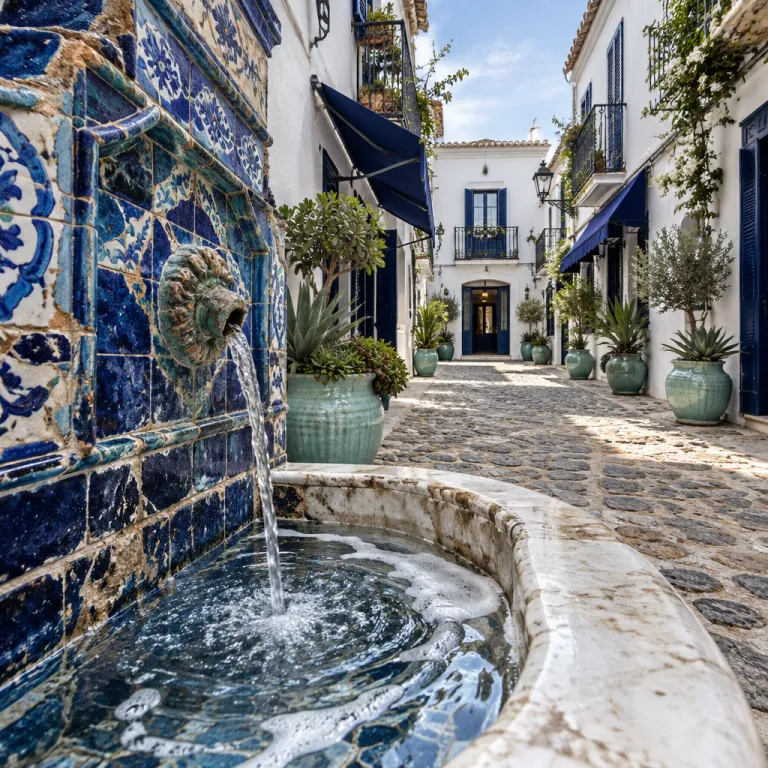
Old town Marbella for luxury travellers seeking character and calm
Old town Marbella is the elegant heart of the city, where history and hospitality meet. Within a compact Andalusian town setting, you move between shaded plazas and discreet five star addresses that understand refined service, while the Mediterranean light softens every white wall and balcony. For travellers choosing a luxury hotel in Marbella, this historic quarter offers a rare balance of tranquillity, walkability, and immediate access to the wider Costa del Sol.
The historic centre, known locally as the casco antiguo, sits just inland from the sea yet feels a world away from the high rise coastline of much of Málaga province. Here, narrow lanes lined with whitewashed houses and flower pots lead towards intimate squares, where orange trees and fountains create a calm backdrop for slow mornings. Many premium properties in central Marbella occupy restored town houses, so you sleep inside the fabric of the old quarter rather than beside it.
Luxury travellers often compare staying in the casco antiguo with choosing a resort along the broader Costa del Sol, and the difference is immediate. In the old town you can step from your suite directly onto cobbled streets, then reach the waterfront promenade within a short walk of less than 10 minutes. This proximity allows you to enjoy both the heritage of Marbella’s historic streets and the contemporary beach clubs that define the modern image of this Mediterranean resort city.
Key historical sites in the historic centre of Marbella
The historic centre of Marbella is compact enough for a relaxed free walk, yet dense with monuments that reward unhurried exploration. Start at Plaza de los Naranjos, often shortened locally to plaza los Naranjos, the emblematic square framed by whitewashed houses and the Renaissance town hall. From this central plaza and its arcades, you can reach most major sites in the old quarter within a few minutes on foot.
The town hall itself dates from the late fifteenth century and anchors the civic life of the municipality, with its stone façade facing the square and its arcaded ground floor sheltering cafés. Around the corner, the Iglesia de la Encarnación rises above the surrounding streets, its bell tower visible from many luxury terraces in central Marbella. Between these landmarks, small chapels, fragments of the old Arab walls, and hidden courtyards give antiguo Marbella a layered sense of time that appeals strongly to culturally curious guests.
For travellers interested in sleeping close to heritage, Andalucía offers a network of historic hotels in converted monuments, and a number of them lie within easy reach of Marbella. To understand how these properties work and who they suit, consult this detailed guide to sleeping in history in Andalusia’s parador hotels. Combining a stay in old town Marbella with a night in a parador elsewhere in Málaga province or wider Andalusia creates a coherent itinerary for travellers who value both comfort and historical depth.
Strolling the streets and plazas of Marbella’s casco antiguo
Walking through the streets of old town Marbella is the most rewarding way to understand its rhythm, and it costs nothing more than time and curiosity. Begin your free walk early, when the cobbles are still cool and the light is gentle, then let instinct guide you through each calle and plaza. The grid is irregular yet intuitive, and every few minutes you emerge into a beautiful square or a quiet corner lined with flower pots and wrought iron balconies.
Calle Carmen, Calle Gloria, and Calle Nueva are among the most atmospheric streets in the historic quarter, where whitewashed houses lean towards each other and terracotta pots overflow with geraniums. Many visitors pause here for photos, capturing the contrast between the bright blooms, the deep blue sky of the Costa del Sol, and the polished stone underfoot. These intimate streets connect naturally with Plaza de los Naranjos and smaller squares, creating a continuous sequence of spaces that make the historic centre feel like an extended open air living room.
As you wander, pay attention to the details that distinguish antiguo Marbella from other historic towns along the coast. Hand painted ceramic street signs, carved wooden doors, and tiny shrines embedded in walls all speak of a lived in historic district rather than a staged backdrop. For a deeper understanding of how heritage buildings across Andalusia become refined places to stay, the article on converting Moorish fortresses into five star suites offers valuable context that enriches a stay in Marbella’s old quarter.
Plaza de los Naranjos and the soul of Marbella town
Plaza de los Naranjos, often called simply plaza los Naranjos by locals, is the social and symbolic centre of old town Marbella. This beautiful square is framed by the town hall, the Casa del Corregidor, and traditional houses whose façades are softened by climbing plants and flower pots. Under the orange trees that give the plaza its name, café terraces fill steadily from late morning, offering a front row seat to daily life in southern Spain.
From a hospitality perspective, staying near this square places you at the heart of both history and convenience, since many of the finest restaurants and artisan shops in central Marbella cluster around its edges. Guests can step out for a leisurely walk across the plaza, choose a restaurant for lunch, then retreat to their room within minutes, which is particularly appealing during the warmer months on the Costa del Sol. Evening brings a different atmosphere, as the light softens, the bells of nearby churches mark the hour, and the square becomes a stage for families, couples, and visitors from across Málaga province.
Several luxury properties in the old town use the plaza as a reference point, describing distances in terms of minutes from Plaza de los Naranjos rather than in kilometres. This human scale orientation reflects the way travellers actually experience the historic centre, moving from square to square rather than from address to address. When evaluating options on a premium booking platform, look carefully at maps and guest photos to confirm how close each property lies to this emblematic square and to the quieter side streets that radiate from it.
Dining, photos, and slow travel in Marbella’s historic district
Old town Marbella has become a refined dining destination, where traditional Andalusian flavours meet contemporary techniques in intimate settings. Around the historic centre, you will find everything from family run tapas bars on narrow streets to design forward restaurant concepts hidden behind discreet doors. Many luxury travellers now choose to stay in the old quarter precisely to enjoy this concentration of high quality restaurant options within a short walk of their hotel.
For photography enthusiasts, the interplay of light and shadow in the casco antiguo offers endless opportunities for memorable photos. Early morning and late afternoon are ideal, when the sun along the Costa del Sol sits lower and the whitewashed houses glow softly, while flower pots and balconies cast intricate patterns on the street. Framing shots that include both architectural details and glimpses of daily life, such as a neighbour tending plants or a waiter crossing a square, creates images that feel authentic rather than staged.
Slow travel principles align naturally with the scale of Marbella’s centre, where distances are short and the most rewarding experiences come from unhurried observation. Instead of rushing between landmarks, choose a bench in a quiet plaza, order a coffee, and watch how residents use the space across different hours of the day. This approach not only yields better photos but also deepens your sense of connection to Marbella and to the wider cultural landscape of Andalusia.
Choosing a luxury base in Marbella and along the Costa del Sol
Selecting the right luxury hotel in or near old town Marbella depends on how you plan to balance heritage, beach time, and regional exploration. Staying within the historic centre places you among whitewashed houses and narrow streets, with immediate access to the town hall, main square, and most cultural sites. Choosing a property slightly outside the old quarter, closer to the waterfront or along the broader Costa del Sol, offers larger resort style facilities while still keeping the casco antiguo within easy reach.
Many travellers pair a stay in the old town with nights elsewhere in Málaga province, using the city as a refined base for day trips to Ronda, Málaga city, or the white villages of inland Andalusia. In this context, a specialised luxury and premium booking platform focused on the region can be invaluable, curating properties that respect local architecture and offer consistent service standards. For those who want a coastal retreat that complements the urban charm of the historic district, the detailed review of a refined coastal retreat for culture led luxury stays provides a useful benchmark for evaluating similar options along the Costa del Sol.
When comparing properties, look beyond headline images and examine how each hotel integrates with its surroundings, whether in central Marbella or along the wider coastline. Rooms that open onto quiet courtyards, terraces that face historic streets rather than busy roads, and restaurants that source from local producers all contribute to a more grounded experience. By aligning your choice of accommodation with the character of Marbella and its historic centre, you transform a simple stay into a coherent narrative that connects architecture, landscape, and hospitality.
Key figures on tourism and luxury stays in Marbella and Andalusia
- According to Turismo y Planificación Costa del Sol’s “Balance Turístico 2019 – Marbella” report (see statistical tables in the accommodation section), the municipality recorded 2,041,279 overnight stays in registered accommodation in 2019, underlining its role as one of the primary luxury destinations in Málaga province.
- The regional tourism board of Andalusia, in its “Estadísticas de Turismo Receptor 2022” publication (hotel demand chapter), reports that international visitors account for around 63 percent of hotel overnight stays along the Costa del Sol, which means English speaking services and globally recognised hospitality standards are widely available in Marbella and surrounding areas.
- Official statistics from the Instituto Nacional de Estadística (INE), in the “Encuesta de Ocupación Hotelera 2010–2019” series (Málaga province breakdown), indicate that Málaga province has seen a sustained increase in four and five star hotel capacity over the last decade, with growth rates above the national average and reflecting continued investment in premium accommodation.
- Surveys conducted by Turismo de Andalucía in the “Motivaciones del Turista 2021” study (cultural motivations section) show that cultural and historic attractions motivate more than one third of visitors to the region, supporting the strong demand for stays in or near historic districts such as the casco antiguo of Marbella.
- Data from the Spanish hotel industry association CEHAT, published in its “Barómetro del Alojamiento en España Verano 2022” (Andalusia and Costa del Sol chapter), highlight that average daily rates in Marbella’s high end properties rank among the highest in mainland Spain, especially during peak summer months, which reinforces the value of booking early through specialised platforms.
FAQ about staying in old town Marbella
Is old town Marbella a good base for exploring Andalusia ?
Old town Marbella works well as a base if you want both beach access and a historic setting, since it sits on the Costa del Sol with fast road links to Málaga, Ronda, and inland Andalusia. From the centre you can reach Málaga city in about one hour by car, while day trips to white villages and wine regions are also straightforward. Many travellers combine several nights in the historic quarter with stays elsewhere in Málaga province for a varied itinerary.
How far is the historic centre from the beach in Marbella ?
The historic centre of Marbella lies only a short walk from the seafront, typically between 600 and 900 metres depending on your exact location. Most guests can reach the promenade and main town beaches in around 8 to 12 minutes on foot, following gentle streets that slope gradually towards the sea. This proximity allows you to enjoy both the atmosphere of the casco antiguo and the coastal lifestyle of the Costa del Sol without relying on taxis.
Is it easy to move around old town Marbella on foot ?
Yes, the casco antiguo and wider central area are designed on a pedestrian friendly scale, with narrow streets and small squares that encourage walking. Distances between key sites such as Plaza de los Naranjos, the town hall, and the main church are usually just a few hundred metres. Comfortable shoes are recommended, since some street surfaces are cobbled, but gradients are generally gentle.
What type of traveller benefits most from staying in the historic district ?
Travellers who value atmosphere, architecture, and dining tend to benefit most from staying in the historic district of Marbella. Couples, solo travellers, and small groups interested in culture often prefer the intimate scale of old streets and plazas over large resort complexes. Families who enjoy walking and eating out in local restaurants also find the area convenient, though those seeking extensive on site entertainment may prefer properties along the broader Costa del Sol.
When is the best time to visit old town Marbella for a quieter stay ?
For a quieter stay in old town Marbella, consider travelling in spring or autumn, when temperatures are mild and visitor numbers are lower than in peak summer. During these periods, it is easier to secure preferred rooms in high end properties and to enjoy restaurants and streets without heavy crowds. The softer light also enhances the beauty of whitewashed houses and plazas, which is ideal for photography and relaxed walks.